
ROMI vs ROAS: Which Metric Matters More for Marketing Performance?
Marketing can feel like throwing darts in the dark. You pour money into campaigns, tweak ads, and push content—but are you really seeing returns? Maybe your ad spend looks high, but profits don’t match, or you can’t tell which campaigns are worth repeating. If this sounds familiar, you’re not alone. Many marketers struggle to translate effort into measurable results.
That’s where understanding ROMI vs ROAS comes in.
In this guide, you’ll know exactly how to measure marketing ROI, avoid overspending, and make smarter decisions that actually grow your revenue.
Why Understanding Both Metrics Is Crucial
Marketing isn’t just about spending money—it’s about spending it wisely. Too often, teams focus on one number without realizing it only tells part of the story. That’s why understanding ROMI vs ROAS is essential:
ROAS shows immediate ad performance: It gives you a quick snapshot of how much revenue each advertising dollar brings in, making it easy to see which campaigns drive sales fast.
ROMI measures true profitability: Unlike ROAS, ROMI accounts for costs, including marketing spend and cost of goods. This tells you the real profit your marketing generates.
Spot inefficiencies and optimize budgets: A campaign may have high ROAS but low ROMI, meaning it drives sales but with thin profit margins. On the other hand, a campaign with moderate ROAS but high ROMI could be quietly generating strong profit.
Make smarter long-term decisions: Understanding both metrics helps answer questions like: Which campaigns should be scaled? Which channels are underperforming? Where should you invest more to grow sustainably?
Get the full picture of marketing performance: ROAS shows how fast your money is working, while ROMI shows how efficiently it’s generating profit. Using both ensures every dollar works harder for your business.
By combining insights from ROMI vs ROAS, marketers can avoid guessing, allocate budgets more effectively, and make data-driven decisions that improve both revenue and profitability.
What is Return on Marketing Investment (ROMI)?
ROMI, or return on marketing investment, is a metric that measures the profit generated from marketing activities, taking costs into account. Unlike general ROI, which can include all investments, ROMI isolates marketing efforts, helping teams see exactly what their campaigns are producing.
Note that marketing investments carry risk.
Unlike buying assets or stocks, marketing doesn’t guarantee a direct return. For example, you could spend thousands on an online ad campaign, but if it fails to attract leads, your return could be lower than expected. That’s why ROMI calculation includes revenue generated from marketing minus both marketing spend and the cost of goods sold.
Short-Term vs Long-Term ROMI
Short-term ROMI focuses on immediate revenue returns from campaigns. For example, if you run a holiday promotion and want to see how profitable it was, short-term ROMI provides clear numbers quickly.
Long-term ROMI looks at broader impacts like brand awareness, repeat purchases, and lifetime customer value. A content marketing campaign that educates customers may not generate immediate sales, but over a year, it could significantly boost revenue. By analyzing both lenses, businesses can balance quick wins with sustainable growth.
ROMI Calculation: How to Measure Marketing Profitability
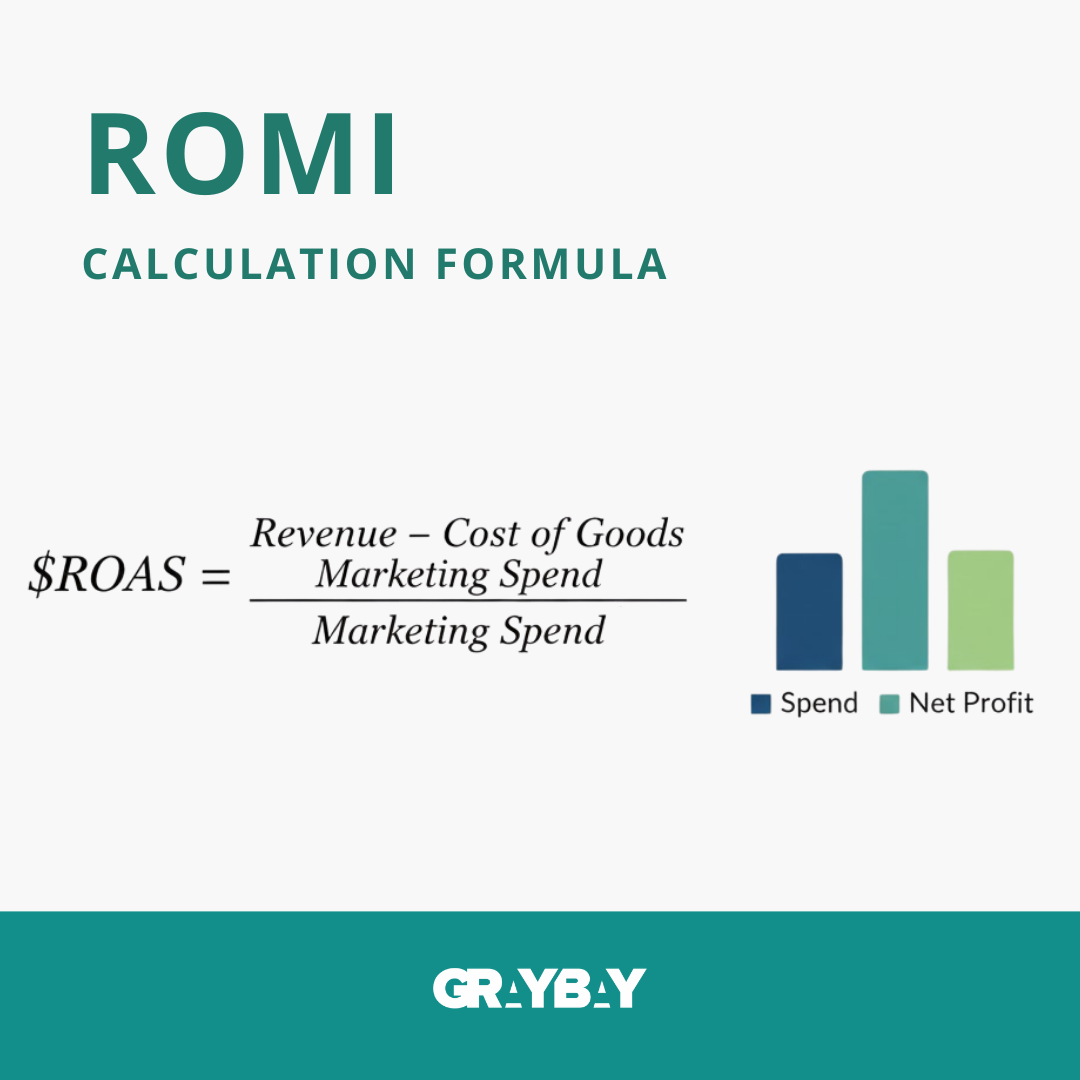
Let’s say you run a small online store selling handmade candles. You spent $2,000 on a social media campaign, and the campaign generated $7,500 in revenue. The cost of goods sold (wax, jars, packaging) was $1,500. To calculate ROMI, you subtract the cost of goods and marketing spend from revenue, then divide by marketing spend:
What is Return On Ad Spend (ROAS)?
ROAS, or return on ad spend, is slightly different but equally useful.
It measures how much revenue is generated per dollar spent on advertising, without deducting the cost of goods. For example, if a $1,000 ad campaign drives $5,000 in revenue, the ROAS would be 5:1, or 500%.
The key difference between ROMI vs ROAS is that ROAS only looks at revenue vs. ad costs. It doesn’t factor in the cost of goods or broader marketing investments.
This makes it simpler to calculate, but sometimes less precise if you want to know the actual profit contribution. For businesses that run high-margin products or services, ROAS can give a quick snapshot of ad effectiveness. However, for teams focused on total profitability, ROMI is often the more meaningful number.
ROAS Calculation: Measuring Revenue From Ad Spend
Now let’s look at ROAS using an example from a fitness coaching business. Suppose you spent $500 on Facebook ads and generated $2,500 in revenue from those ads. ROAS is simpler than ROMI because it doesn’t subtract the cost of goods—you just divide revenue by ad spend:
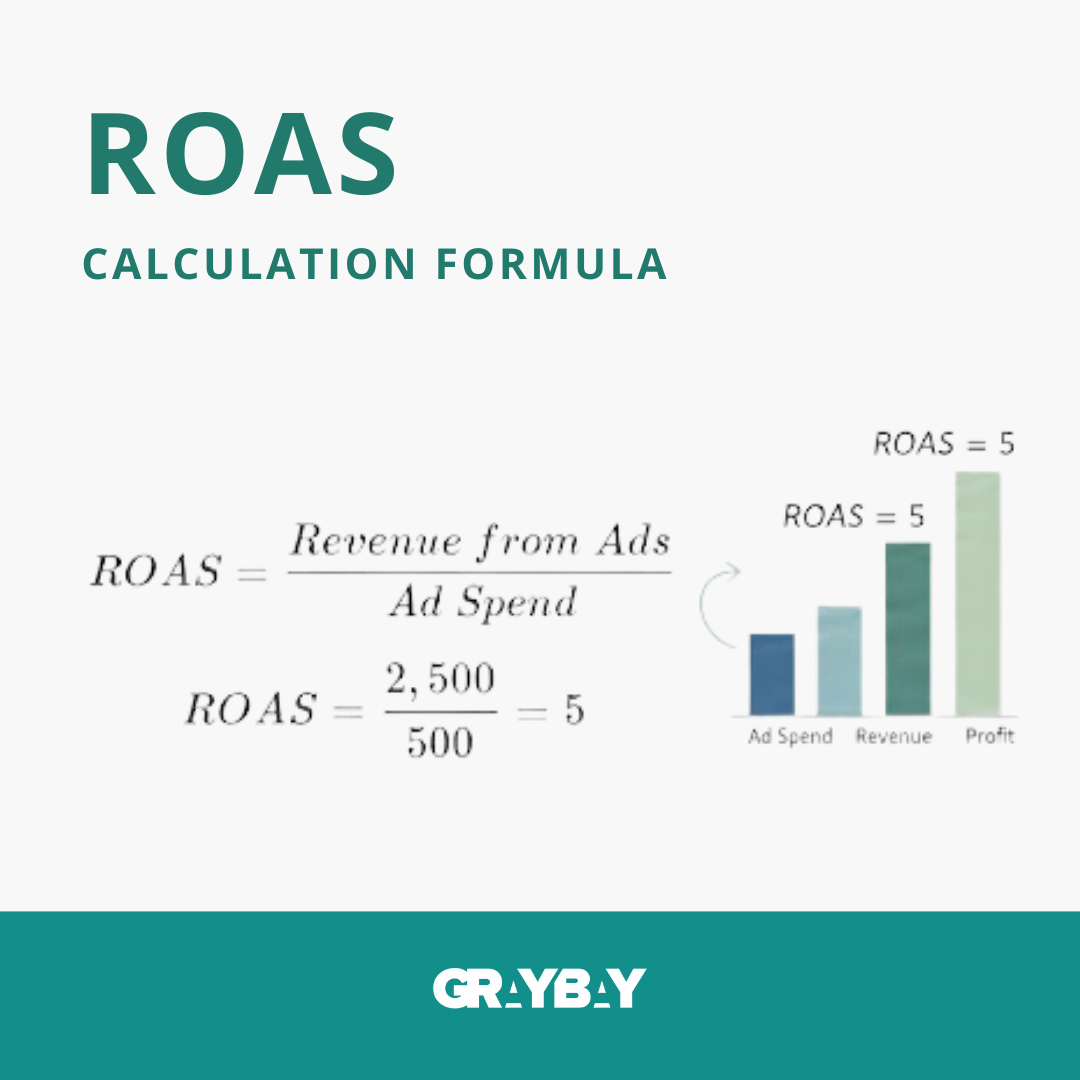
ROAS is great for seeing ad performance quickly. While it doesn’t tell you exact profit, it shows which campaigns are driving sales effectively and where you might want to invest more.
Quick Overview: ROMI vs ROAS Difference
Understanding the ROMI vs ROAS difference is key for marketers who want to choose the right metric for the right situation. While both measure the effectiveness of marketing efforts, they focus on slightly different things and are used in different ways.
To put it simply, think of ROAS as a speedometer. It tells you how fast your marketing dollars are bringing in revenue—perfect for checking individual campaigns or ads.
ROMI, on the other hand, is like your odometer. It shows the total “distance” your marketing efforts have traveled in terms of profit after subtracting costs. While ROAS helps you gauge immediate efficiency, ROMI gives a deeper look at overall profitability.
Both metrics are valuable. By understanding their differences, marketers can decide when to focus on short-term revenue versus long-term profit, ensuring smarter budgeting and better campaign decisions.
To take it further, explore our guide on “Profitable Keywords: How to Research the Best for Your Niche” to learn how targeting the right keywords can maximize marketing ROI.
Practical Tips for Marketers
To make the most of your marketing efforts, it’s not enough to just track numbers—you need a smart approach. Here are some practical tips to help you use ROMI vs ROAS effectively:
1. Measure quarterly
Tracking your campaigns on a quarterly basis is crucial. Instead of checking results sporadically, reviewing performance every three months allows you to spot patterns and trends. You’ll notice which campaigns consistently deliver results and which ones are underperforming. This also gives your team enough time to implement changes and see meaningful results before the next review.
2. Consider both metrics
While ROAS is excellent for quickly seeing which ads are generating revenue, ROMI provides a deeper understanding of actual profit. Use ROAS to evaluate ad-level performance or individual campaigns and ROMI to track overall marketing profitability. Combining both metrics gives you a complete picture of campaign effectiveness.
3. Segment campaigns
Some ads or promotions might have high revenue potential, while others target brand awareness or long-term engagement. Segment campaigns by type, channel, or objective, and apply ROMI vs ROAS calculations accordingly. This helps you avoid misleading conclusions and ensures that each campaign is evaluated fairly.
4. Adjust strategies based on insights
Numbers are only useful if you act on them. If a campaign’s ROMI is low, it’s time to pivot—whether that’s tweaking messaging, changing your target audience, shifting channels, or updating creative assets. Similarly, if ROAS indicates strong ad revenue but ROMI shows low profitability, you may need to optimize costs or adjust pricing strategies.
5. Include hidden costs
Many marketers forget to account for indirect costs like staffing, software tools, or production expenses. When calculating ROMI, make sure these costs are included so you get a true picture of profitability. Ignoring hidden costs can make a campaign seem more successful than it really is, leading to overspending in the long run.
Using ROMI and ROAS thoughtfully ensures your campaigns are smarter, more efficient, and more profitable, helping your marketing dollars go further while achieving tangible results.
To build on this, explore our guide on “Digital Marketing Strategy: How to Succeed in Today’s Landscape” to learn how to align metrics with a winning marketing plan.
Final Thoughts
So, which metric matters more—ROMI vs ROAS?
The answer depends on your goal. If you want to understand profit contribution from marketing and ensure every dollar spent is generating net revenue, ROMI is the way to go. If you need quick insight into ad performance, ROAS provides a simpler, immediate metric.
Ultimately, using both in tandem is ideal. Start with ROAS for campaign-level checks, then dig into ROMI for overall profitability insights. By doing so, marketing teams can avoid overspending, track performance effectively, and make smarter decisions that grow revenue.
Want help maximizing your marketing returns?
Looking for a smarter way to grow? Gray Bay Marketing is a paid advertising agency that creates data-driven campaigns tailored to your business goals. Schedule a paid media consultation to learn how Google Local Service Ads, Facebook advertising, and other digital advertising strategies can help you reach more customers and drive measurable growth.
FAQs
What is the difference between ROMI vs ROAS?
ROMI measures the profitability of marketing campaigns after accounting for costs, including marketing spend and cost of goods. ROAS, on the other hand, calculates revenue generated per advertising dollar without deducting costs. Together, they give a complete picture of campaign performance, showing both efficiency and profit.
Why should marketers track ROMI vs ROAS?
Tracking both ROMI and ROAS helps marketers understand not just how much revenue campaigns generate, but also how much profit they produce. ROAS shows immediate ad effectiveness, while ROMI reveals true profitability. Using both metrics avoids misleading conclusions and ensures budget decisions are based on actual performance.
Can a campaign have high ROAS but low ROMI?
Yes. A campaign may generate strong revenue (high ROAS) but have high costs or low profit margins, resulting in a low ROMI. This scenario highlights why relying on ROAS alone can be risky. ROMI ensures marketers understand the real financial impact of their campaigns.
How does understanding both metrics help with budgeting?
By analyzing both ROMI vs ROAS, marketers can identify which campaigns deliver the best profit and which only generate revenue. This insight allows better allocation of resources, reducing wasted spend and improving returns. Budgets can then be optimized for both short-term gains and long-term profitability.
Which metric is better for a long-term strategy?
ROMI is generally better for long-term marketing strategy because it considers profitability, not just revenue. It helps marketers evaluate the true return of brand-building campaigns, customer loyalty programs, and awareness initiatives. ROAS, while useful for short-term ad performance, doesn’t account for overall cost efficiency or profit contribution.
How do ROMI vs ROAS complement each other?
ROAS provides a quick view of ad efficiency, showing revenue per dollar spent, while ROMI shows the net profit generated. Together, they allow marketers to spot inefficiencies, optimize campaigns, and make smarter decisions. Using both ensures a balance between immediate performance and long-term profitability.
How to measure marketing ROI?
Measuring marketing ROI starts with tracking all costs, including ad spend, creative, tools, and staff time. Next, calculate revenue generated directly from campaigns. Subtract total marketing costs (and cost of goods for ROMI) from revenue, then divide by marketing spend. This gives a clear view of profitability.