
Profitable Keywords: How to Research the Best for Your Niche

Finding profitable keywords isn’t about chasing random search terms. It’s about uncovering the language your audience already uses to make decisions. In 2026, the way people search – and the way Google interprets those searches – has evolved fast. That’s where Gray Bay Marketing comes in. We combine data, intent, and creativity to turn keyword research into measurable results.
In the world of SEO marketing, a profitable keyword means more than traffic. It signals intent to buy, subscribe, or engage. And in today’s AI-driven search environment, understanding that intent is the secret weapon. This guide walks you through how to find, evaluate, and act on keywords that truly fit your niche.
What Makes a Keyword Truly Profitable in 2026
The best keywords are rooted in relevance and return. It’s no longer about chasing high-volume terms for vanity traffic. The goal is to understand why a term matters to your audience and how directly it connects to your business goals.
A keyword becomes profitable when it attracts the right audience, aligns with a clear conversion path, and stays within an achievable level of competition. When all three factors work together, the keyword doesn’t just bring clicks – it brings qualified leads and real sales opportunities.
Take a professional services firm, for example. Targeting “immigration lawyer for startups” reaches decision-makers ready to engage, while generic terms like “lawyer” only attract casual browsers. As search grows more intelligent, Google rewards content that matches intent and context rather than simple keyword density. That’s why the most profitable keywords in 2026 are specific, strategic, and built on understanding real human intent.
Why Generic Keyword Lists Don’t Work Anymore
The days of stuffing blogs with long lists of random phrases are over. Algorithms now evaluate quality, context, and depth. Generic keywords may drive impressions, but they rarely convert.
Instead, you need profitable keywords tied to actual business outcomes. Think of them as micro-investments: each term should bring measurable value. Tools like SEMrush and Ahrefs can help you spot wasted opportunities where your competitors dominate.
Searchers today expect precision. Focus on service-based keywords that reflect your niche and business model, rather than local modifiers. If your audience uses slang or niche terms, mirror that language. The more personal the phrasing, the higher your conversion potential.
Step 1: Start by Finding Niche Keywords That Match Real Intent
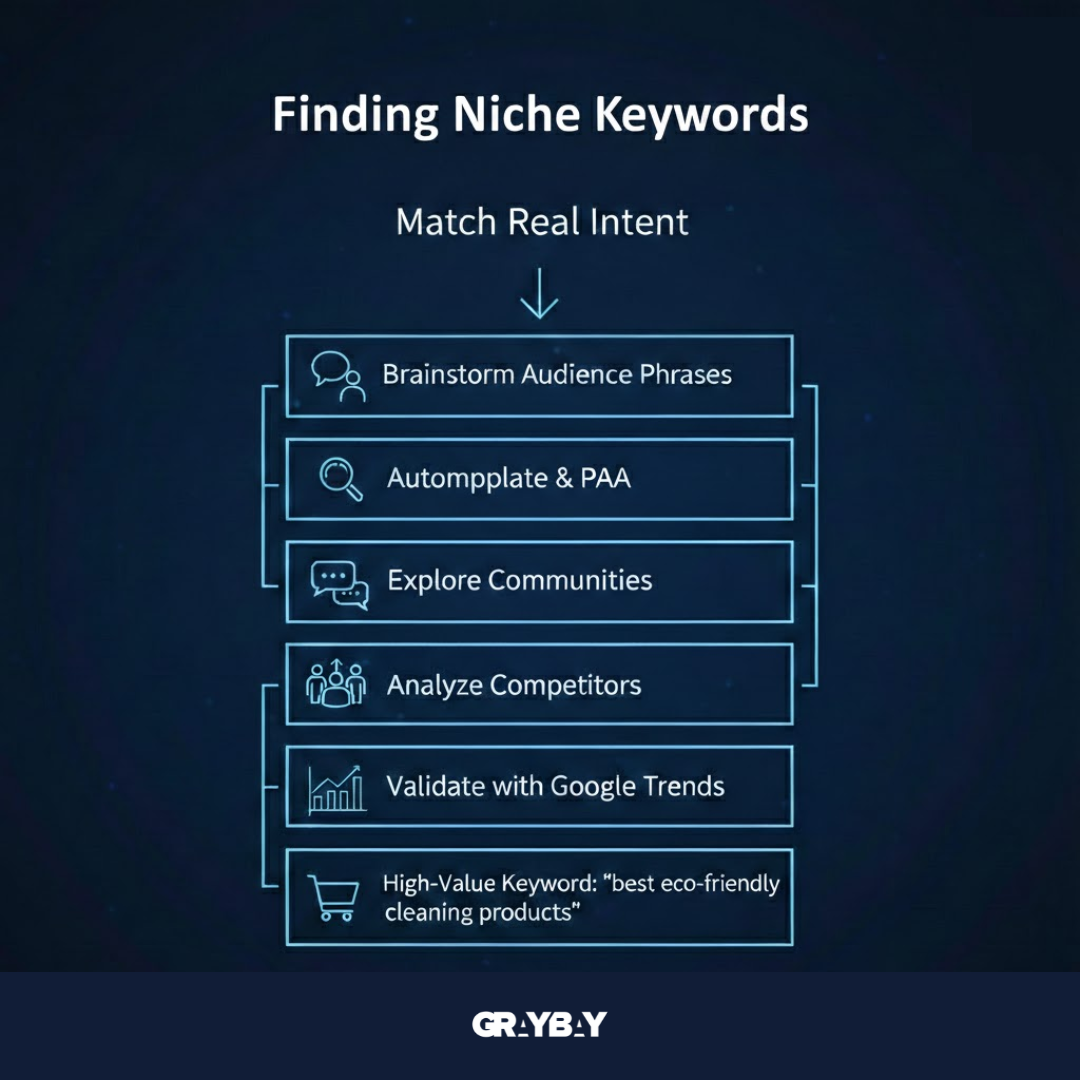
To uncover truly profitable keywords, you need to dig where competitors overlook. That’s where finding niche keywords comes in.
Here’s how to start:
Brainstorm with your audience in mind. What phrases do customers actually say when describing their needs?
Use autocomplete and “People Also Ask.” These show real-time demand signals.
Explore communities. Platforms like Reddit, Quora, or specialized forums reveal hidden interests.
Analyze competitors. Identify the keywords they rank for – and the gaps you can fill.
Validate with Google Trends. Spot seasonality and shifting patterns before they peak.
When researching keywords, always link intent to content. A person searching “best eco-friendly cleaning products” isn’t browsing; they’re ready to buy. That’s a high-value keyword.
Step 2: Use Competitive Gap Analysis to Spot Missed Opportunities
Competitor data remains gold. SEMrush’s Keyword Gap or Ahrefs’ Content Gap reports show where rivals outperform you. These insights reveal both threats and openings for profitable keywords.
Once you identify those gaps, prioritize by conversion potential, not vanity metrics. Ask:
Does this keyword align with our funnel?
Is it transactional, informational, or navigational?
Can we rank realistically based on current authority?
Strong competitors often ignore smaller, intent-rich terms. That’s where your growth lies. By targeting low-competition, high-intent phrases, you create quick wins while building authority for tougher targets later.
Step 3: Cluster & Evaluate Profit Potential
Keyword clustering isn’t just organization – it’s strategy. Grouping related profitable keywords builds topical authority, which search engines now value highly.
Here’s how to cluster effectively:
Start with broad parent topics, like “home fitness.”
Break them into sub-themes, such as “yoga,” “bodyweight training,” or “HIIT.”
Assign each group to a page or blog section.
Then, evaluate each cluster’s profit potential using:
Search intent. Does it attract buyers or browsers?
Keyword difficulty. How realistic is the ranking?
Conversion rate data. Use analytics to confirm performance.
AI visibility. Check if competitors appear in AI summaries or overviews.
A good keyword cluster strengthens authority while creating multiple ranking pathways. Each piece of content feeds into the next, amplifying your total visibility.
Step 4: Master How to Research Keywords for a Niche Like a Pro
Understanding how to research keywords for a niche separates amateurs from pros. The goal isn’t to copy competitors – it’s to outthink them.
Follow this process:
Start with seed keywords. Pull ideas from customer questions, search data, or product names.
Expand with AI tools. Platforms like Surfer SEO or MarketMuse generate related topics.
Filter for relevance. Remove anything off-topic or unlikely to convert.
Compare cost and difficulty. High CPC usually signals high commercial intent.
Cross-check with analytics. Find which existing pages already attract valuable traffic.
For example, a skincare brand might discover that “best vitamin C serum for sensitive skin” outperforms “vitamin C serum”. One attracts curious readers; the other attracts buyers. That’s the power of profitable keywords.
Step 5: Build & Test Content Around High-Value Keywords
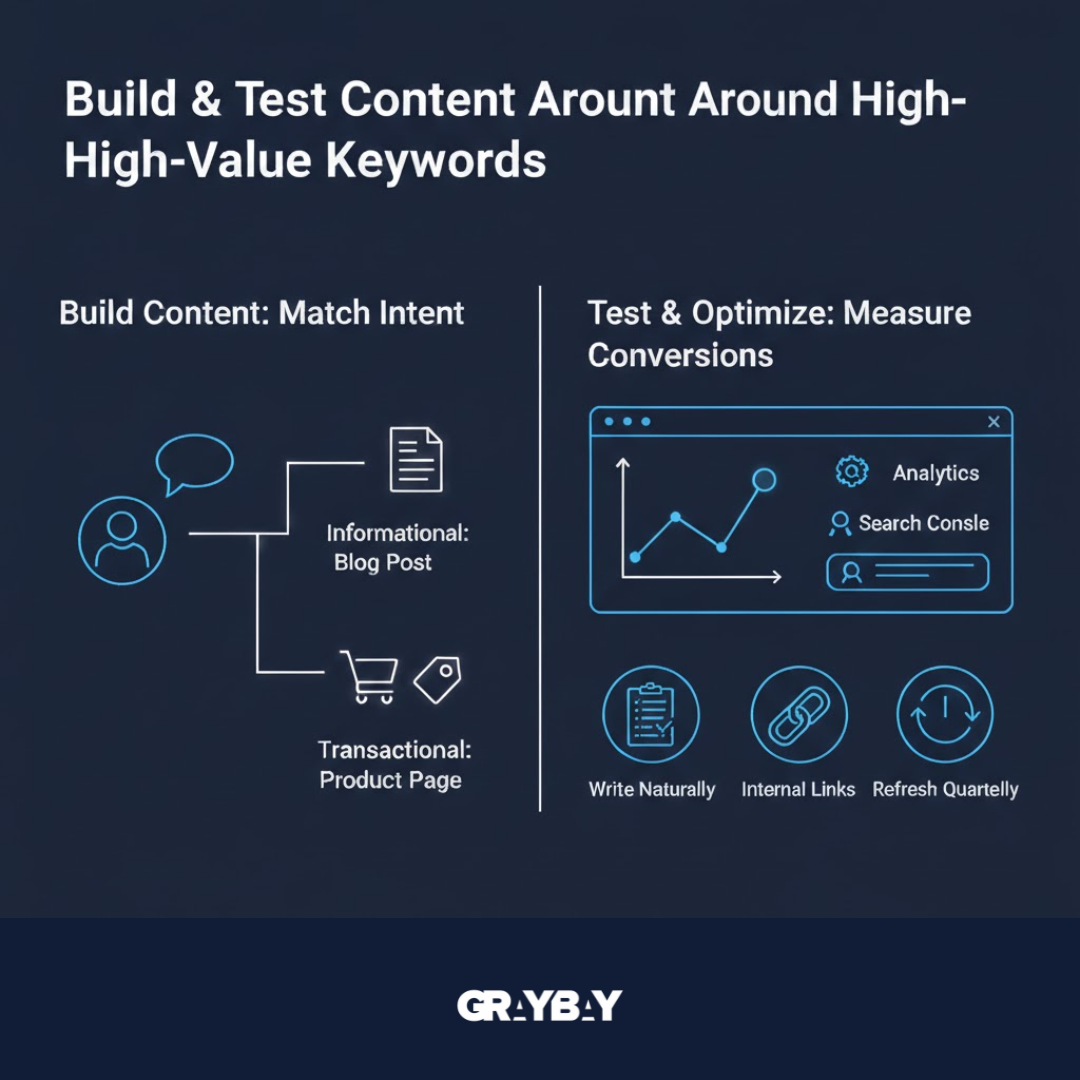
Once you’ve identified your keywords, put them to work. Build content that matches both intent and format. If the keyword is informational, write a blog. If it’s transactional, create a product page.
Use this framework:
Write naturally; avoid over-optimization.
Add internal links to strengthen authority flow.
Include structured data where possible.
Refresh content quarterly to combat ranking decay.
Then, monitor performance using analytics and Search Console. Measure conversions, not just traffic. Real profitable keywords prove their worth by generating leads, not just clicks.
Tools That Simplify Profitable Keyword Research
The right tools save hours of manual work and uncover insights humans might miss. For profitable keywords, these platforms stand out:
SEMrush – Best for competitive gap analysis.
Ahrefs – Ideal for backlink and keyword data depth.
Moz Pro – Great for difficulty and SERP feature tracking.
Surfer SEO – Suggests optimization steps for existing pages.
Google Trends – Monitors shifts in topic interest.
Keyword Insights – Groups and clusters related search terms automatically.
While AI helps, human strategy remains irreplaceable. Machines analyze data; humans understand nuance. That’s how you find “make money keywords” that still align with authenticity.
Common Mistakes That Kill Keyword Profitability
Even the best researchers can lose traction if they miss these traps:
Chasing volume over value. High traffic doesn’t guarantee conversions.
Ignoring intent. The wrong audience wastes resources.
Neglecting updates. Outdated content loses ranking fast.
Overlapping keywords. Cannibalization confuses search engines.
Skipping analysis. Without tracking, you’re guessing, not optimizing.
Avoiding these pitfalls keeps your profitable keywords performing long after publication.
Turning Keyword Data Into Action
Data means nothing until it drives decisions. Once you have a keyword list, translate insights into an actionable plan.
Start by building a keyword calendar. Assign each keyword or cluster to a content type and publish date. Monitor early signals – CTR, dwell time, and conversions – to validate success. When performance drops, refresh and retest.
Remember, profitable keywords evolve. What works today may fade tomorrow. Continuous testing ensures your content stays relevant, authoritative, and visible.
Turning Strategy Into Growth With Gray Bay Marketing
Gray Bay Marketing, the best LLM SEO agency, doesn’t just find profitable keywords – we turn them into growth engines. Our team blends research, storytelling, and data to help service-based businesses compete confidently online, wherever they operate.
We believe SEO isn’t about chasing trends; it’s about building sustainable visibility. Every keyword we select supports your goals, audience, and brand voice. From niche-targeted digital campaigns to national strategies, we tailor marketing approaches that align with your business size, revenue, and growth stage.
Our strength lies in balance: creativity meets analytics, automation meets human judgment. We test, refine, and repeat until results are real – not theoretical. Whether you’re launching your first campaign or scaling a mature brand, our SEO marketing process adapts to your reality.