
LinkedIn Ads vs Google Ads for B2B Leads: Which Channel Works Better in 2026?
You’ve launched a B2B campaign, set your budget, and now you’re waiting to see where the leads come from. A few days later, your LinkedIn ads are reaching decision-makers, while your Google Ads are bringing in people searching for solutions.
Now the question pops up: which channel deserves more attention?
The answer depends on your goals, audience, and buying journey. This guide on LinkedIn vs Google Ads for B2B leads will walk you through the key differences, helping you understand targeting, intent, costs, and practical ways to choose the right platform for your business in 2026.
How LinkedIn Ads for B2B Lead Generation Work?
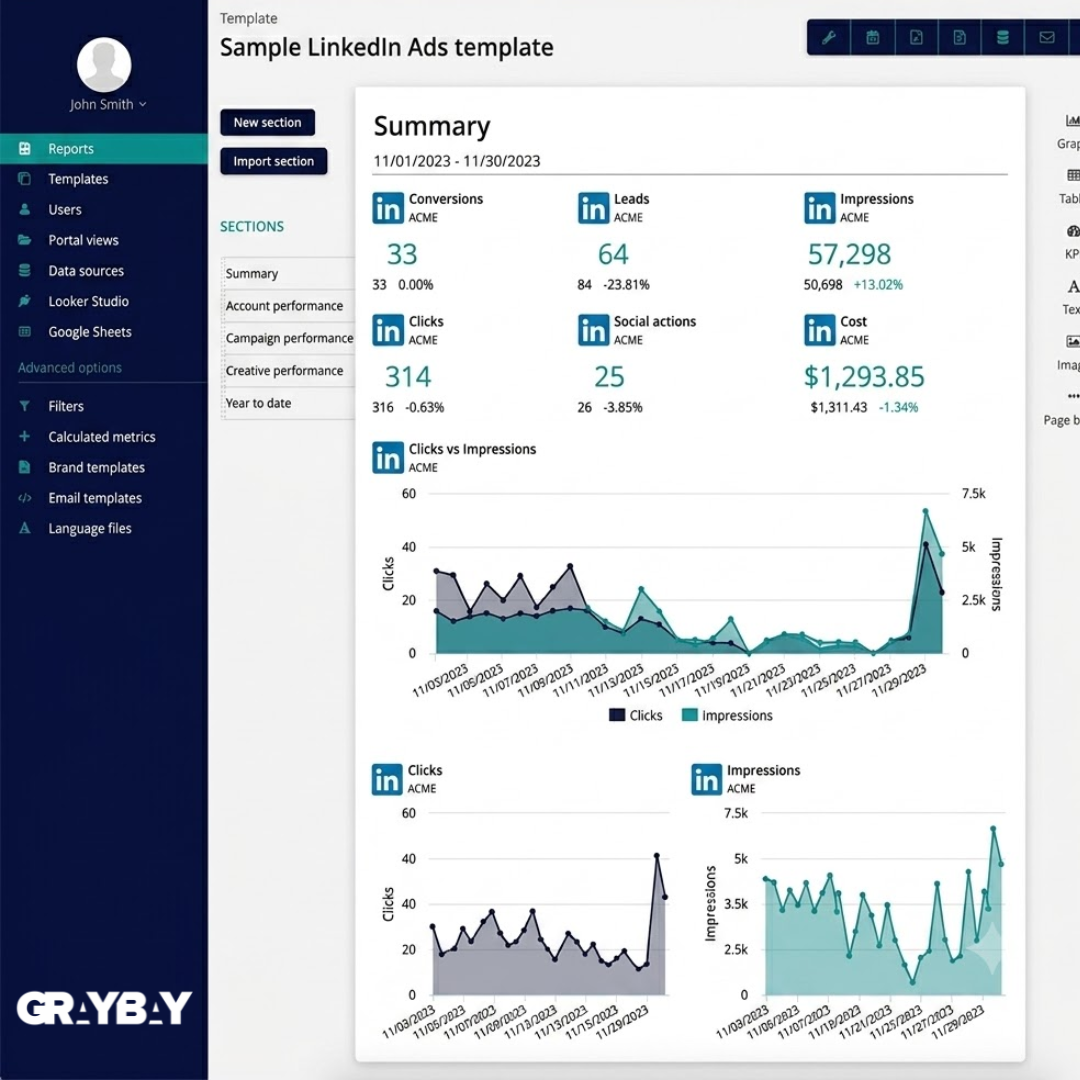
LinkedIn ads for B2B are paid advertising campaigns designed to help businesses reach professional audiences based on industry, job title, company size, skills, seniority, and other workplace-related data.
These ads run through LinkedIn Campaign Manager and include formats such as Sponsored Content, Message Ads, Lead Gen Forms, Dynamic Ads, and Conversation Ads. B2B companies use LinkedIn advertising to connect with decision-makers, promote services, generate qualified leads, and support account-based marketing efforts.
Because LinkedIn uses professional profile and company data, it is particularly useful for businesses with narrow buyer profiles, high-value offers, or longer sales cycles.
How Google Ads for B2B Lead Generation Work?
Google Ads for B2B are paid search and display advertising campaigns that help businesses reach potential customers when they search for specific solutions, products, or services.
These campaigns run through Google Ads and allow companies to target users based on keywords, search intent, location, industry interests, audience behavior, and online activity. B2B companies commonly use Search Ads, Display Ads, Performance Max campaigns, and YouTube Ads to attract qualified prospects, drive website visits, and generate leads.
Google Search Ads are particularly effective at capturing existing demand because they can appear when users actively look for vendors, services, or solutions related to a business need.
Read more: B2B PPC Advertising: Build a Winning Strategy in the AI Search Era
LinkedIn vs Google Ads for B2B Leads: Key Differences
LinkedIn vs Google Ads for B2B leads both support B2B lead generation, but they work through different targeting systems, user behaviors, and campaign goals. LinkedIn focuses on professional audience data, while Google Ads focuses on search intent and online behavior. Understanding these differences helps businesses decide which platform matches their marketing objectives, budget, and customer journey.
1. Audience Targeting: Professional Data vs Search Intent
LinkedIn Ads use professional profile information to identify target audiences. Businesses can reach users based on job titles, industries, company size, seniority, skills, education, and professional interests. This makes LinkedIn suitable for companies that need to reach specific decision-makers or professional groups.
Google Ads relies on keywords, search queries, location, audience signals, and browsing behavior. It connects businesses with users who are actively searching for products, services, or solutions. This makes Google Ads effective for capturing existing demand from potential buyers.
The difference between B2B targeting vs intent marketing is therefore one of audience identity versus demonstrated behavior. LinkedIn helps identify people who fit the buyer profile, while Google Search helps identify people whose searches suggest an active need.
2. Paid Social vs Search Ads: Discovery and Active Demand
LinkedIn Ads are mainly designed to create awareness and introduce solutions to relevant professional audiences. Users may discover businesses, content, and services while engaging with industry-related information.
Google Ads focuses on reaching users with stronger immediate intent. Search campaigns appear when people actively look for specific information, products, or services. This allows businesses to connect with prospects who are already exploring possible solutions.
3. Advertising Costs and Cost per Qualified Lead
LinkedIn Ads generally have higher advertising costs because businesses pay to access detailed professional targeting options. Costs can vary based on audience size, industry competition, campaign objective, and ad format.
Google Ads costs depend on keyword competition, bidding strategy, quality score, and industry demand. Businesses can control spending through keyword selection, daily budgets, and campaign settings. Both platforms require careful management to maintain efficient spending.
4. Ad Formats and Campaign Approach
LinkedIn provides advertising formats designed for professional engagement and lead collection. These include Sponsored Content, Lead Gen Forms, Message Ads, Conversation Ads, and Dynamic Ads. The platform works well for content-driven campaigns focused on professional audiences.
Google Ads offers formats such as Search Ads, Display Ads, YouTube Ads, and Performance Max campaigns. These formats focus on reaching users through search activity, websites, videos, and Google’s advertising network.
5. Lead Quality and Conversion Process
LinkedIn can deliver targeted B2B leads by connecting businesses with professionals based on specific career and company details. It supports campaigns where reaching the right audience profile is a priority.
Google Ads can attract users who already show interest through their searches. The quality of leads depends on keyword selection, landing page experience, and campaign structure. Strong targeting and relevant messaging are important for both platforms.
6. Best Use Cases for Each Platform
LinkedIn Ads work well for businesses focused on professional networking, account-based marketing, brand awareness, and reaching niche B2B audiences.
Google Ads work well for businesses focused on capturing search demand, increasing website traffic, and reaching users who are actively looking for solutions.
LinkedIn Lead Generation Strategy vs Google Ads for B2B
The table below compares LinkedIn’s lead generation approach with Google Ads to help you understand how both platforms work, where they perform best, and which option fits your B2B marketing strategy.
| Comparison Factor | LinkedIn Lead Generation Strategy | Google Ads for B2B |
|---|---|---|
| Primary Focus | Reaching professional audiences through detailed profile-based targeting | Capturing users who are actively searching for solutions |
| Targeting Method | Uses job titles, industries, company size, seniority, skills, education, and professional interests | Uses keywords, search queries, location, audience signals, and online behavior |
| Audience Type | Professionals, decision-makers, business owners, and specific industry groups | Users showing interest through searches and online activities |
| Buyer Intent | Focuses on creating awareness and reaching potential buyers before they search | Focuses on capturing existing demand from users with active needs |
| Best For | Account-based marketing, niche B2B audiences, professional services, and enterprise solutions | Lead capture, service promotion, product searches, and high-intent campaigns |
| Campaign Goal | Brand awareness, relationship building, lead generation, and audience engagement | Website traffic, conversions, sales inquiries, and direct lead generation |
| Ad Formats | Sponsored Content, Lead Gen Forms, Message Ads, Conversation Ads, and Dynamic Ads | Search Ads, Display Ads, YouTube Ads, and Performance Max campaigns |
| Cost Factors | Cost depends on audience targeting, industry, competition, and campaign objective | Cost depends on keyword competition, bidding strategy, and search demand |
| Lead Quality | Strong for reaching specific professional profiles and decision-makers | Strong for reaching users already searching for solutions |
| Sales Cycle Support | Helps businesses build awareness during longer B2B buying journeys | Helps capture prospects closer to the decision stage |
| Content Approach | Works well with educational content, industry insights, and thought leadership | Works well with keyword-focused ads, offers, and solution-based messaging |
| Main Advantage | Precise professional targeting | Strong search intent and immediate demand capture |
| Main Challenge | Higher costs and users may not have immediate buying intent | Competitive keywords can increase costs and require continuous optimization |
| Ideal Use Case | Reaching a defined group of B2B professionals | Connecting with users actively looking for business solutions |
Should You Choose LinkedIn or Google Ads for B2B Leads?
LinkedIn and Google Ads serve different purposes within a B2B marketing strategy. Use the following situations to identify which platform is more closely aligned with your audience and campaign objective:
| Business Situation | Recommended Platform | Why It Fits |
|---|---|---|
| You need to reach specific job titles or industries | LinkedIn Ads | Professional targeting helps you connect with selected audience groups |
| Your business sells complex B2B services | LinkedIn Ads | Helps introduce solutions and build relationships with professional audiences |
| You want to target companies by size or industry | LinkedIn Ads | Provides detailed company and professional targeting options |
| Your audience is actively searching for solutions | Google Ads | Captures users with strong search intent |
| You want faster lead capture | Google Ads | Connects with users already looking for products or services |
| You have clear keywords related to your services | Google Ads | Allows you to reach people based on specific searches |
| You are running account-based marketing campaigns | LinkedIn Ads | Supports targeted outreach to selected professional groups |
| You want to test the demand for a service | Google Ads | Shows how users respond to search-driven campaigns |
| You have a long B2B sales cycle | LinkedIn Ads | Helps create early awareness before purchase decisions |
| You want consistent traffic from high-intent searches | Google Ads | Helps attract users who are already exploring solutions |
Bonus Tip: For many B2B companies, the strongest strategy involves using both platforms together. LinkedIn can help create awareness and reach the right professionals, while Google Ads can capture users who are ready to take action. The best approach depends on where your audience spends time and how they make purchasing decisions.
Read more: Digital Marketing Strategy: How to Succeed in Today’s Landscape
Final Thoughts
Choosing the right advertising platform comes down to understanding your audience, goals, and buying journey. LinkedIn and Google Ads serve different purposes, and the right mix can help businesses connect with potential customers at the right stage. A clear strategy around LinkedIn vs Google Ads for B2B leads helps you decide where to invest your budget and how to build campaigns that support long-term growth.
Grow Your B2B Reach with Gray Bay Marketing
At Gray Bay Marketing, we help businesses create focused digital campaigns that bring together paid advertising, search visibility, and audience targeting. If you are comparing options like linkedin vs google ads for b2b leads, our experts can help you choose the right channels, improve campaign performance, and create a plan that matches your business goals.
Best of all?
Our paid advertising, Google Ads management, SEO, and LLM SEO services can work together to increase visibility, capture demand, and turn campaign data into a more effective digital marketing strategy.
FAQs
Are LinkedIn Ads better than Google Ads for B2B businesses?
The best platform depends on your audience, goals, and sales process. LinkedIn works well for reaching specific professional groups, while Google Ads helps capture users who are actively searching for solutions. A strategy based on LinkedIn vs Google Ads for b2b leads can help businesses decide which platform fits their needs.
Should B2B companies use both LinkedIn Ads and Google Ads?
Yes, many B2B companies use both platforms because they support different stages of the customer journey. LinkedIn can help reach targeted professional audiences, while Google Ads can capture users with stronger search intent.
How long should you test LinkedIn and Google Ads before comparing results?
The appropriate testing period depends on budget, audience size, search volume, conversion frequency, and the length of the sales cycle. Avoid declaring a winner after only a few days. Allow enough time to collect meaningful conversion and qualification data, then compare the channels using sales-qualified leads, opportunities, and pipeline value.
What should B2B companies track beyond cost per lead?
Track lead-to-qualified-lead rate, cost per qualified lead, opportunity rate, pipeline value, sales-cycle length, customer acquisition cost, and closed revenue. These metrics reveal whether a platform is generating commercially valuable prospects rather than inexpensive form submissions.
What is the difference between B2B targeting vs intent marketing?
B2B targeting vs intent marketing describes two different ways of identifying prospects. B2B targeting uses attributes such as job role, seniority, industry, and company size. Intent marketing uses searches, content engagement, website activity, and other behaviors that indicate possible interest in a solution.
How do I choose the right B2B advertising channel?
Start by looking at your target audience, sales cycle, budget, and campaign goals. Businesses with specific professional audiences may benefit from LinkedIn, while companies targeting active searches may find Google Ads more suitable.
How do paid social vs search ads affect B2B lead quality?
Paid social vs search ads can impact lead quality in different ways. Paid social helps businesses connect with targeted professional groups, while search ads often reach users with stronger purchase intent. The choice between these depends on your audience, sales cycle, and the type of leads your business wants to attract.