
SEO vs Google Ads for B2B: What Works for Service Businesses

Entrepreneurs have probably been there.
A new quarter rolls around, lead targets start creeping up, and the same question lands on the table again: where should the marketing budget go?
Maybe your website gets a steady trickle of visitors, but inquiries come in slower than you'd like. Maybe you've thought about running Google Ads to get the phone ringing faster. Then someone mentions SEO, and suddenly you're weighing short-term wins against long-term growth.
That’s where the discussion around SEO vs Google Ads for B2B lead generation gets interesting. Service businesses need a reliable flow of qualified leads, yet there’s no one-size-fits-all answer. The right choice depends on your goals, budget, timeline, and how your customers search for solutions.
In this guide, we will compare both channels in detail. You will learn how LLM SEO works, how quickly Google Ads can generate leads, what each channel requires financially, and where both approaches fit within the B2B buying journey.
Organic vs Paid Search for B2B: Understanding the Basics
Before comparing SEO vs Google Ads for B2B lead generation, it's important to understand the foundation they sit on: organic and paid traffic. Every lead that comes through search engines starts with one of these channels.
What Is the Difference Between Organic and Paid Search for B2B?
Organic search refers to the unpaid listings that appear on Google. Businesses earn these positions through SEO efforts such as creating relevant content, improving website performance, targeting industry keywords, and building authority over time. When someone clicks an organic result, the business does not pay for that visit.
Paid search works differently. Businesses use platforms like Google Ads to place advertisements in search results for selected keywords. Advertisers bid on those terms and pay when a user clicks the ad. This allows companies to gain visibility quickly, even in highly competitive markets.
For B2B service businesses, both approaches can generate qualified leads. Organic search focuses on long-term visibility and steady traffic growth. Paid search focuses on immediate exposure and faster lead acquisition.
Now that you understand the key differences between the two, let’s dig deeper into how SEO vs Google Ads for B2B lead generation work in practice
SEO for B2B Companies: The Organic Approach
Search Engine Optimization (SEO) is the practice of improving a website’s ability to rank in organic search results for relevant business queries. For B2B companies, SEO involves technical optimization, keyword targeting, content creation, internal linking, and authority building through quality backlinks. Search engines evaluate signals such as content relevance, crawlability, internal site structure, page experience, links, and the usefulness of a page for a particular query.
Unlike paid advertising, organic visibility is earned through ongoing optimization efforts rather than ad spend.A well-executed strategy for SEO for B2B companies can attract decision-makers at different stages of the buying journey, increase qualified traffic, and create a sustainable source of inbound opportunities over time.
Google Ads Lead Generation: The Paid Approach
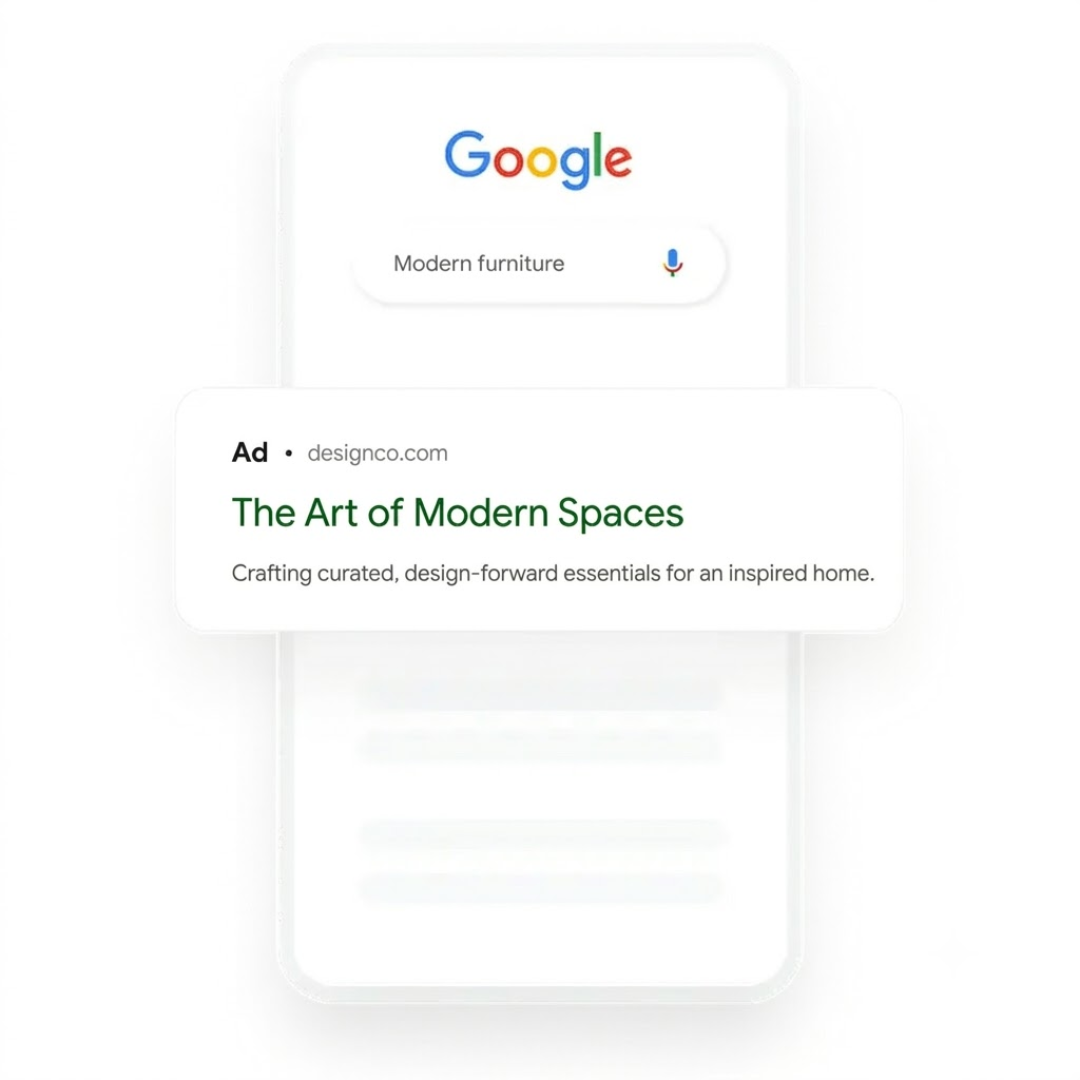
Google Ads lead generation is a paid advertising strategy that allows B2B companies to place their business at the top of search engine results for targeted keywords. Advertisers bid on search terms relevant to their services, and ads appear when potential buyers search for those queries.
Google Ads uses an auction system that considers bid amounts, ad relevance, landing page experience, and expected click-through rates to determine ad placement. B2B service businesses often use Search Ads to capture high-intent prospects who are actively looking for solutions. With detailed audience targeting, conversion tracking, and performance reporting, the platform provides immediate visibility and a measurable way to generate leads while campaigns remain active.
Read more: Google Ads AI Max Campaign Tutorial 2026 (Step-by-Step Setup for Beginners)
SEO vs Google Ads for B2B Lead Generation: Key Differences
The debate around SEO vs Google Ads for B2B lead generation often comes down to business priorities. Both channels can bring qualified prospects to your website, yet they differ significantly in how they generate traffic, how quickly they produce results, and how they impact long-term growth. Here are the key areas where they differ.
Speed of Results
One of the biggest differences is the time required to see results.
Google Ads can begin generating impressions and clicks shortly after an eligible campaign goes live. Once ads are approved and targeting is configured, the business may begin appearing for eligible searches, although lead volume depends on demand, competition, bids, and campaign quality. This makes paid search attractive for companies that need leads quickly or want to support a new service launch.
SEO follows a longer timeline. Search engines need time to crawl, index, and evaluate your content before rankings improve. Depending on your industry and competition, meaningful results may take several months to appear. The payoff comes through sustained visibility rather than instant traffic.
Cost Structure
Search engine marketing for B2B and Google Ads both require investment in different ways.
With Google Ads, you pay for clicks. Each paid click contributes directly to media costs, whether or not the visitor becomes a qualified lead. Competitive B2B keywords often carry higher costs because multiple companies compete for the same audience.
SEO involves investment in content creation, technical improvements, website maintenance, and link building. While these activities require resources, organic clicks do not generate direct costs once pages begin ranking. Over time, the cost per visitor often becomes lower than paid advertising.
Traffic Sustainability
Traffic sustainability plays a major role in long-term lead generation planning.
Paid traffic depends entirely on campaign spending. When the advertising budget stops, visibility and traffic usually stop as well. The flow of leads remains closely tied to ongoing investment.
Organic traffic can continue arriving long after content is published. A well-ranked page may attract visitors for months or even years with periodic updates and maintenance. This creates a more durable source of website traffic.
Search Visibility
Both channels appear on search engine results pages, but they occupy different positions.
Google Ads typically appear at the top of search results and are marked as sponsored placements. This prime positioning often attracts clicks from users who need immediate solutions.
SEO rankings appear within the organic results below sponsored listings. Strong organic visibility can help establish credibility because users often view high-ranking pages as authoritative sources of information.
Lead Quality
Lead quality varies based on search intent and campaign execution.
Google Ads allows businesses to target highly specific keywords, locations, audiences, and devices. This level of control can help attract prospects who are actively searching for a service at that moment.
SEO attracts users across different stages of the buying journey. Some visitors may be researching a problem, while others may be evaluating vendors or preparing to make a purchasing decision. Content strategy plays a significant role in determining lead quality.
Targeting and Control
Paid search provides a greater level of direct control.
Advertisers can adjust budgets, pause campaigns, test messaging, target geographic regions, and refine audience settings whenever needed. Performance data is available almost immediately, making optimization easier.
SEO offers less direct control over rankings because search engines determine placement. Businesses can influence performance through optimization efforts, but ranking outcomes depend on many factors outside their direct control.
Data and Testing
Google Ads excels when rapid testing is required.
Businesses can test headlines, landing pages, calls to action, audience segments, and keyword groups within days or weeks. Results often provide quick insights that support decision-making.
SEO testing typically takes longer because ranking changes and traffic trends develop over extended periods. Gathering meaningful data requires patience and consistent monitoring.
Long-Term Business Impact
Google Ads works well when businesses need predictable lead flow, fast market entry, or support for specific campaigns. It provides immediate visibility and scalable traffic as long as the budget remains active.
SEO contributes to long-term growth by building search visibility, authority, and a library of content that continues attracting prospects over time. Many B2B service businesses view SEO as a long-term asset that compounds in value as their content footprint grows.
Read more: Index Bloat in SEO: How It Impacts Crawl Budget and Search Performance
Quick Comparison of SEO vs Google Ads for B2B Lead Generation
The comparison between SEO vs Google Ads for b2b lead depends on how quickly you need results, how much you're willing to invest, and how you plan to support growth over time. Here's a quick snapshot of how the two channels stack up against each other:
| Factor | SEO | Google Ads |
|---|---|---|
| Traffic Source | Organic search results | Paid search advertisements |
| Time to Results | Typically takes several months | Can generate traffic within days |
| Upfront Investment | Content creation, technical improvements, and link building | Campaign setup and advertising budget |
| Ongoing Costs | Maintenance and content updates | Pay per click and ongoing ad spend |
| Traffic Sustainability | Continues after rankings are established | Stops when ad spend stops |
| Search Visibility | Appears in organic listings | Appears in sponsored positions |
| Lead Generation Speed | Gradual growth over time | Immediate lead opportunities |
| Targeting Capabilities | Based on keywords and content relevance | Advanced targeting by keyword, audience, location, device, and schedule |
| Testing Flexibility | Changes require time to measure | Rapid testing and optimization possible |
| Scalability | Grows through content expansion and authority building | Scales through increased budget and campaign expansion |
| User Trust | Often viewed as highly credible by searchers | Provides prominent placement but is identified as an advertisement |
| Competitive Keywords | Can be difficult to rank for initially | Can gain visibility immediately through bidding |
| Long Term Value | Builds a lasting digital asset | Delivers value while campaigns remain active |
| Best For | Sustainable growth and brand authority | Fast visibility and short-term lead generation |
| Performance Measurement | Tracks rankings, traffic, engagement, and conversions | Tracks clicks, conversions, costs, and return on ad spend in real time |
Which Generates Better B2B Leads: SEO or Google Ads?
The answer depends on what you mean by a "better" lead. For some service businesses, a better lead is someone who is ready to schedule a consultation today. For others, it's a prospect who spends weeks researching solutions before signing a high-value contract.
SEO vs Google Ads for B2B lead generation attract buyers at different stages of the decision-making process. As a result, the quality, intent, and conversion potential of the leads they generate can vary significantly, as discussed in detail below:
When SEO Produces Better B2B Leads
SEO excels when buyers take time to research their options before making a purchasing decision.
A prospect may discover your business through a blog article, industry guide, case study, or service page while exploring solutions to a problem. During this process, they become familiar with your expertise, services, and brand. By the time they reach out, they often have a stronger understanding of what you offer.
This is particularly valuable for:
Professional services firms
IT and cybersecurity providers
Marketing agencies
Consulting companies
Engineering and technical service providers
These industries typically involve higher investments and longer sales cycles, making trust and education important parts of the buying journey.
SEO tends to generate stronger leads when:
Buyers conduct extensive research before purchasing.
Sales cycles last several weeks or months.
Trust and expertise influence buying decisions.
Services require significant investment.
Prospects need educational content before contacting a provider.
When Google Ads Produces Better B2B Leads
Google Ads often performs best when prospects already know what they need and are actively searching for a provider.
Someone searching for "B2B cybersecurity consultant near me" or "managed IT services company" typically demonstrates strong commercial intent. These users are often closer to making a decision and may be evaluating vendors immediately.
For service businesses that need a predictable flow of inquiries, Google Ads can place offers directly in front of high-intent prospects at the right moment.
Google Ads tends to generate stronger leads when:
Buyers are actively looking for a service provider.
Immediate lead generation is a priority.
Businesses operate in competitive markets.
New services need visibility quickly.
Companies want greater control over targeting and messaging.
The Verdict
If your service business relies on trust, education, and relationship building, SEO produces highly qualified leads that are already familiar with your expertise before making contact. If your priority is generating inquiries quickly and reaching prospects who are actively searching for a solution right now, Google Ads delivers faster results.
For many B2B service businesses, the strongest lead generation strategy combines both. Google Ads captures immediate demand, while SEO builds a long-term pipeline that continues generating opportunities long after the content is published.
Here is a quick overview of both to help you decide better:
| Factor | SEO | Google Ads |
|---|---|---|
| Buyer Intent | Often starts with research intent | Often starts with purchase intent |
| Trust Building | Strong through content and expertise | Relies on landing pages and offers |
| Sales Cycle Fit | Ideal for longer sales cycles | Ideal for shorter buying cycles |
| Lead Readiness | May require nurturing | Often ready to speak with sales |
| Lead Volume | Grows gradually over time | Can scale quickly with budget |
| Cost Per Lead Over Time | Often decreases as rankings improve | Usually tied to ongoing ad costs |
| Long Term Value | Creates recurring lead opportunities | Generates leads while campaigns run |
Which Lead Generation Channel Is Right for Your Business?
The right channel often depends on where your business is today. A startup faces different challenges than an established company with a recognized brand and a steady marketing budget.
Here is a general overview of how SEO vs Google Ads for B2B lead generation typically fit into different stages of business growth:
Startups and New Service Businesses
New businesses usually face one major challenge: visibility. Without established rankings, authority, or brand recognition, SEO can take time to generate meaningful traffic. Google Ads helps bridge that gap by placing your business in front of potential customers immediately.
At this stage, many companies benefit from using Google Ads for lead generation while simultaneously building an SEO foundation through service pages, industry content, and technical optimization.
Recommended focus:
70% Google Ads
30% SEO
Growing B2B Companies
As a business gains traction, the focus often shifts toward reducing customer acquisition costs and creating sustainable growth channels.
This is where SEO becomes increasingly valuable. Existing clients, case studies, and industry expertise can be turned into content that attracts qualified prospects organically.
Google Ads should still play an important role by targeting high-intent keywords and supporting lead-generation goals.
Recommended focus:
Balanced investment in SEO vs Google Ads for B2B lead generation
Use paid campaigns to support high-value service offerings
Expand content marketing efforts
Established Service Businesses
Established companies often have the resources and authority needed to compete effectively in organic search.
At this stage, SEO can become a significant driver of qualified leads and brand visibility. A strong content library, backlink profile, and domain authority create advantages that newer competitors may struggle to match.
Google Ads remains valuable for competitive keywords, remarketing campaigns, and service promotions, but SEO frequently becomes the primary source of long-term lead generation.
Recommended focus:
Strong SEO investment
Strategic Google Ads campaigns
Integrated search marketing approach
The Bottom Line
Businesses at different stages need different growth engines. Startups often benefit from the immediate visibility of Google Ads. Growing companies usually see the best results from combining both channels. Established service businesses often gain the greatest advantage from a mature SEO strategy supported by targeted advertising campaigns.
The goal isn't choosing a permanent winner. It's investing in the channel that best supports your current stage while building a foundation for future growth.
How to Measure SEO and Google Ads for B2B Lead Generation
Comparing SEO and Google Ads requires more than reviewing traffic, clicks, or form submissions. B2B companies should measure whether each channel generates qualified opportunities and contributes to revenue.
Useful performance metrics include:
Marketing-qualified leads
Sales-qualified leads
Cost per qualified lead
Lead-to-opportunity conversion rate
Pipeline value
Customer acquisition cost
Close rate by channel
Average contract value
Sales-cycle length
Revenue generated or influenced
Google Ads conversion tracking can measure calls, forms, booked consultations, and other immediate actions. However, businesses with longer sales cycles should also import offline conversion data from their CRM so campaigns can be optimized around qualified leads and closed business rather than every submission.
SEO measurement should connect landing pages and search queries with lead quality, pipeline, and revenue. Rankings and organic traffic can indicate progress, but they do not show whether the channel is attracting the right prospects.
When both channels are measured through the same qualification and revenue framework, businesses can make more informed budget decisions.
Final Thoughts
Choosing between SEO vs Google Ads for B2B lead generation isn't about finding a universal winner. It's about matching your marketing strategy to your business goals, budget, and timeline.
If your priority is generating leads quickly, Google Ads can put your services in front of high-intent prospects almost immediately. If you're focused on building long-term visibility and reducing customer acquisition costs over time, SEO can become a valuable growth asset. Many successful service businesses achieve the strongest results by combining both approaches. Paid campaigns capture immediate demand while SEO builds a steady pipeline of qualified leads for the future.
The key is to invest in the right channel at the right stage of your business and continually refine your strategy based on performance data, lead quality, and revenue outcomes.
Ready to Generate More Qualified B2B Leads?
Gray Bay Marketing helps service businesses build sustainable lead generation systems through a combination of LLM SEO services, Google Ads management services, and data-driven growth strategies. Whether you're looking to increase organic visibility, launch high-performing PPC campaigns, or create a complete search marketing strategy, our team can help you turn search traffic into real business opportunities.
FAQs
Is SEO or Google Ads better for B2B lead generation?
The better option depends on your goals. Google Ads typically delivers faster results because ads can start generating traffic as soon as campaigns go live. SEO takes longer to produce results, but it can create a consistent source of qualified leads and organic traffic over time.
How long does SEO take to generate leads for a B2B service business?
Most businesses begin seeing measurable improvements within three to six months, although timelines vary based on competition, website authority, content quality, and industry. Highly competitive markets may require a longer investment period before significant lead generation occurs.
Can Google Ads generate leads immediately?
Yes. Once campaigns are active and properly configured, Google Ads can begin driving traffic and inquiries within days. Performance often improves over time as keywords, ad copy, and landing pages are refined.
Which channel has a lower cost per lead?
There is no single answer because costs vary by industry and competition. Google Ads often has higher short-term acquisition costs due to click charges, while SEO generally becomes more cost-effective over the long term as rankings and organic traffic grow.
Should startups invest in SEO or Google Ads first?
Many startups benefit from using Google Ads to generate immediate visibility while building their SEO foundation. This approach allows businesses to attract leads in the short term while developing organic search visibility for future growth.
Can SEO and Google Ads work together?
Yes. Many businesses use Google Ads to capture immediate demand and SEO to build long-term authority. Running both channels can increase search visibility, improve keyword insights, and create multiple paths for potential customers to discover your business.
How do I know which strategy is right for my business?
Consider your budget, growth goals, competitive landscape, and timeline. Businesses that need quick lead generation often start with Google Ads, while those focused on sustainable growth frequently invest heavily in SEO. Many established service businesses use a combination of both.
How should B2B companies measure leads from SEO and Google Ads?
B2B companies should connect website analytics, call tracking, form submissions, and advertising data with their CRM. Both channels should be evaluated using marketing-qualified leads, sales-qualified leads, opportunities, pipeline value, customer acquisition cost, and closed revenue rather than clicks or form submissions alone.
Can Google Ads data improve a B2B SEO strategy?
Yes. Search-term reports, ad conversion data, messaging tests, and landing-page performance can help identify commercially valuable topics and keywords for SEO. However, paid and organic results should be evaluated separately because performance in one channel does not guarantee the same performance in the other.