
How Much Should You Spend on B2B Lead Generation?

You’ve got a solid product, a clear audience, and a team ready to bring in new clients. Then comes the big question: how much should you actually put aside for finding those leads?
Figuring out a B2B lead generation budget can feel like a guessing game, especially when every campaign, industry, and sales goal looks different. The truth is, there’s no one-size-fits-all number.
In this guide, we explain what affects lead generation spending, how to calculate a realistic budget, where to allocate your investment, and how to adjust it based on performance.
What Is B2B Lead Generation?
B2B lead generation is the process of identifying and attracting companies that are likely to need a business’s products or services. It involves identifying the right companies, connecting with decision-makers, and collecting information from prospects for future sales conversations.
Businesses use methods such as content marketing, SEO, paid search, email outreach, social advertising, events, and professional networking to attract qualified leads. The goal is to create a steady flow of potential buyers who match the company’s target market. B2B lead generation helps sales teams build relationships, understand customer needs, and move prospects through the buying process.
Why Build a B2B Marketing Budget for Lead Generation?
When you are trying to bring in new B2B leads, having a clear spending plan can make a big difference. Without a proper budget, it’s easy to throw money at different channels, lose track of what’s working, or miss chances to connect with the right prospects. A well-planned budget helps you understand where your investment goes and how each campaign supports your business goals.
A dedicated lead generation budget is important for the following reasons:
1. Helps You Set Realistic Lead Generation Goals
A lead generation budget gives your team a clear idea of what you can achieve with your available resources. It helps you set realistic goals for lead volume, campaign reach, and sales opportunities. By working backward from revenue goals, you can determine the campaign activity and lead volume required to support planned growth.
2. Allows Better Resource Planning
Lead generation budget involves different activities, including advertising, content creation, email campaigns, tools, and sales support. A planned budget helps you decide how much to spend on each area instead of putting money into activities without a clear purpose.
3. Makes Campaign Performance Easier to Measure
A defined budget makes it easier to track spending and understand campaign results. Businesses can review how much they spend, how many leads they generate, and which channels bring better opportunities. This information helps teams make smarter decisions for future campaigns.
4. Supports Long-Term Growth
B2B sales cycles often take time because businesses usually need multiple conversations before making a decision. A consistent budget allows companies to continue reaching potential customers, nurturing relationships, and building a steady pipeline over time.
5. Helps Control Lead Generation Costs
Without a proper budget, lead generation expenses can quickly get out of hand. A planned approach helps businesses monitor spending, compare campaign performance, and identify areas where they can improve efficiency.
6. Helps Choose the Right Marketing Channels
Different industries and audiences respond to different marketing channels. A dedicated testing budget allows businesses to compare platforms and invest more in channels that consistently generate qualified opportunities. This creates a more focused approach instead of spreading resources too thin.
7. Improves Alignment Between Marketing and Sales Teams
A clear b2b lead generation budget helps marketing and sales teams work toward shared goals. Both teams can understand how many leads are needed, what resources are available, and how campaigns support revenue targets. This alignment creates a smoother process from attracting prospects to closing deals.
Read more: B2B PPC Advertising: Build a Winning Strategy in the AI Search Era
How to Calculate Your Budget and Target B2B Acquisition Cost
Setting a B2B acquisition cost and budget requires a clear understanding of your sales goals, customer value, and marketing performance. The following process can help you determine where to invest, how much to allocate, and what results your spending needs to produce:
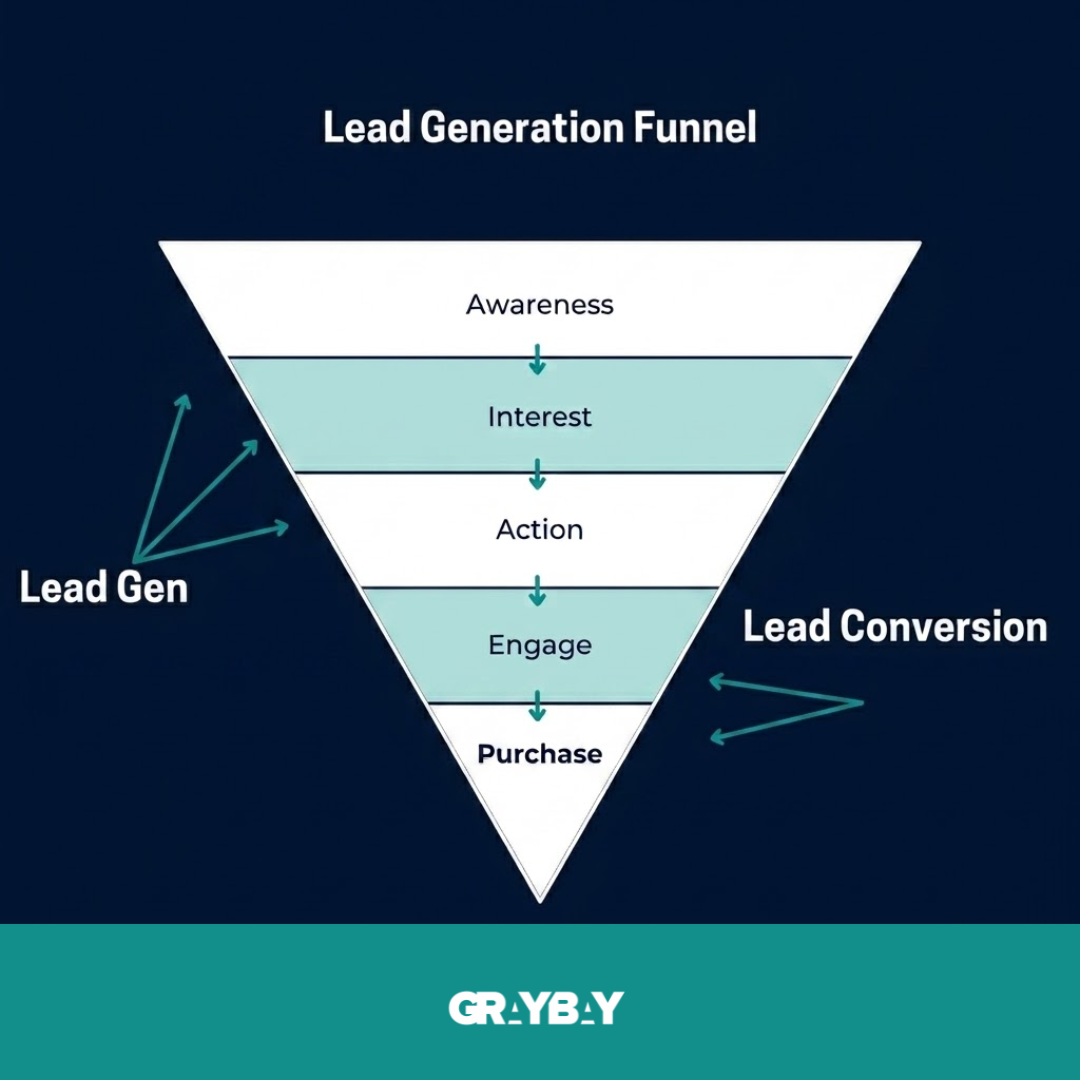
1. Define Your Revenue Goals
Start by identifying how much revenue your business wants to generate within a specific period. Your revenue target gives you a foundation for planning your lead generation efforts.
Consider factors like:
Number of customers you need to acquire
Average deal value
Sales targets
Expected growth rate
Once you know your revenue goals, you can estimate how many leads and conversions your marketing campaigns need to generate.
2. Calculate Your Customer Lifetime Value
Customer lifetime value helps you understand how much revenue a customer can bring throughout their relationship with your business. This number helps you decide how much you can reasonably spend to acquire new customers.
A higher customer lifetime value usually allows businesses to invest more in marketing and sales activities because each customer contributes more long-term revenue.
3. Determine Your Target B2B Acquisition Cost
Your B2B acquisition cost shows how much you spend to gain one new customer. To calculate it, divide your total marketing and sales expenses by the number of new customers acquired during a specific period.
Formula:
B2B Acquisition Cost = Total Marketing and Sales Spend ÷ Number of New Customers
Tracking this number helps you understand if your campaigns are bringing in customers at a sustainable cost.
4. Estimate Your Lead Conversion Rates
Not every lead becomes a customer, so conversion rates play an important role in budget planning. Review how many leads typically move through your sales process and how many turn into paying customers.
Look at:
Lead-to-opportunity conversion rate
Opportunity-to-customer conversion rate
Average sales cycle length
These numbers help you estimate how many leads you need and how much budget is required to reach your customer goals.
5. Research Your Industry Benchmarks
Industry benchmarks can give you a starting point when planning your budget. Review average advertising costs, competitor activity, and typical acquisition costs within your market.
Benchmarks should act as a reference point, not a fixed rule. Your audience, offer, sales process, and business size can influence your actual costs.
6. Allocate Budget Across Marketing Channels
Once you understand your goals and acquisition targets, divide your budget across the channels that support your strategy.
Common areas include:
Paid advertising
Content marketing
SEO
Email campaigns
Marketing tools
Lead nurturing activities
Testing different channels helps you identify where your budget creates the strongest results.
7. Track Performance and Adjust Your Budget
A B2B acquisition budget should change as you collect more data. Monitor key metrics such as lead volume, conversion rates, campaign spending, and customer acquisition costs.
Regular reviews help you move your budget toward channels that perform well and reduce spending on activities that do not support your goals.
8. Start With a Test Budget
If you are launching a new campaign, begin with a smaller test budget before making larger investments. Testing allows you to understand audience response, campaign costs, and potential returns.
Once you identify what works, you can increase spending with better confidence and clearer expectations.
What Is a Realistic Lead Generation Cost?
The realistic lead generation cost depends on your industry, target audience, sales cycle, marketing channels, and the quality of leads you want to attract. B2B companies with niche audiences or complex products often spend more because reaching decision-makers requires more targeted efforts.
Costs can include advertising, content creation, software tools, outreach campaigns, and sales support. Instead of focusing only on the lowest cost per lead, businesses should look at lead quality and potential revenue. A qualified lead that turns into a long-term customer can deliver stronger value than a cheaper lead with little buying interest.
How Much Budget Should Go to Lead Generation?
The amount you should allocate to lead generation depends on your business goals, industry, sales cycle, and growth stage. Many B2B companies dedicate a significant portion of their marketing budget to lead generation because it directly supports pipeline growth.
A common approach is to divide spending across paid campaigns, content, SEO, tools, and lead nurturing activities. New businesses may invest more to build awareness and attract prospects, while established companies may focus on improving efficiency. The right allocation should support your revenue goals, customer acquisition targets, and the channels that bring in qualified leads.
Read more: Trends in Digital Marketing: 14 Key Insights for 2026
Mistakes to Avoid When Setting a Lead Generation Budget for B2B
Budget planning can go wrong when businesses prioritize low costs, expect immediate returns, or invest without measuring performance. These mistakes can make it harder to attract the right prospects and understand where your budget creates value.
Here are some common mistakes businesses should avoid when planning their lead generation budget:
1. Focusing Only on Low Lead Costs
Many businesses focus on getting the cheapest leads without considering lead quality. A low-cost lead may not always bring valuable opportunities or turn into paying customers. Look at the overall value of each lead instead of making decisions based only on cost.
2. Not Defining Clear Goals
Setting a budget without clear marketing and sales goals can lead to wasted spending. Businesses should know how many leads they need, what type of customers they want to attract, and what results they expect from their campaigns.
3. Spreading the Budget Across Too Many Channels
Trying every marketing channel at once can quickly drain resources. Focus on platforms and strategies that match your audience and business goals. Test different options, track performance, and invest more in channels that deliver results.
4. Ignoring Lead Quality Metrics
Tracking only the number of leads can create an incomplete picture. Businesses should also monitor conversion rates, sales opportunities, customer value, and acquisition costs to understand the real impact of their spending.
5. Not Adjusting the Budget Over Time
A fixed budget may limit growth when market conditions and campaign results change. Regularly reviewing performance helps businesses move spending toward strategies that bring better outcomes.
6. Underestimating the Sales Process
B2B purchases often involve longer decision-making periods and multiple interactions. Businesses should consider follow-ups, lead nurturing, and sales support when planning their overall budget.
7. Expecting Immediate Results
Lead generation requires testing, optimization, and consistent effort. Setting unrealistic expectations can lead to cutting campaigns too early, before collecting enough data to understand what works.
Final Thoughts
Creating the right B2B lead generation budget requires a clear view of your goals, audience, and customer journey. There is no fixed amount that works for every business. Your ideal budget depends on your average customer value, target acquisition cost, sales process, conversion rates, competitive environment, and selected channels. Tracking performance and adjusting your spending over time helps you make better decisions and build a steady flow of opportunities.
Build a Smarter Lead Generation Strategy with Gray Bay Marketing
A well-planned budget works best when your campaigns have the right strategy behind them. Gray Bay Marketing helps businesses create data-driven digital marketing campaigns that support lead generation, audience growth, and long-term business goals.
We also offer Google Ads Management Services, Facebook Ads, and LLM SEO Services as part of our broader digital marketing solutions to help businesses attract qualified prospects and build a stronger lead generation strategy. Contact Gray Bay Marketing to develop a lead generation plan based on your audience, revenue targets, available budget, and campaign performance goals.
FAQs
What factors affect a B2B lead generation budget?
A B2B lead generation budget depends on factors such as your industry, target audience, sales cycle, marketing channels, competition, and business goals. Companies targeting specific decision-makers or high-value customers may need a larger investment to generate qualified opportunities.
What is the average cost of generating a B2B lead?
The cost of generating a B2B lead varies based on industry, audience, campaign type, and lead quality. Factors like advertising costs, content creation, sales support, and marketing tools all influence the final cost.
Should I spend more on paid ads or organic marketing for lead generation?
The right balance depends on your goals and timeline. Paid ads can help reach audiences quickly, while organic strategies can support long-term visibility. Many businesses combine both approaches to create a consistent lead pipeline.
How can Gray Bay Marketing help reduce wasted marketing spend?
Gray Bay Marketing helps businesses plan campaigns based on audience research, performance tracking, and clear objectives. The team focuses on improving campaign efficiency and helping businesses invest their marketing budget in strategies that support growth.
How often should I review my lead generation budget?
Businesses should review their lead generation budget regularly to track performance, identify opportunities, and adjust spending based on results. Monthly or quarterly reviews can help keep campaigns aligned with changing business goals.
How do I calculate my B2B lead generation budget?
You can calculate your B2B lead generation budget by considering your revenue goals, customer acquisition targets, average deal value, conversion rates, and marketing costs. Reviewing past campaign performance can also help you estimate realistic spending.