
Trends in Digital Marketing: 14 Key Insights for 2026
Digital marketing keeps shifting, and 2026 brings another round of changes that feel bigger than usual. Platforms roll out updates faster, audiences jump between channels, and creative formats evolve overnight. Because the landscape moves this quickly, recognizing the core trends in digital marketing helps brands stay steady while everything else reshapes. The year introduces new tools, tighter privacy rules, and fresh ways for businesses to reach people who expect relevance instantly.
Gray Bay Marketing studies these shifts closely, especially across service-based businesses operating online. As an SEO company, we see how clients respond to new tools long before industry reports catch up. This blog breaks down fourteen key shifts shaping 2026 so you can understand what actually matters.
1. Short-Form Video Still Wins Attention
Short-form video stays powerful because it mirrors how people consume information now. Audiences value clarity, relevance, and actionable insights. Platforms reward precise messaging that guides prospects efficiently. This truth aligns closely with the trends in digital marketing shaping the year. Brands no longer need perfect lighting or studio equipment. Instead, they need clarity, quick hooks, and relatable moments. Short clips deliver reach without straining budgets. They also help brands test ideas quickly. When creators lean into curiosity, engagement climbs. Although production evolves, authenticity remains the anchor.
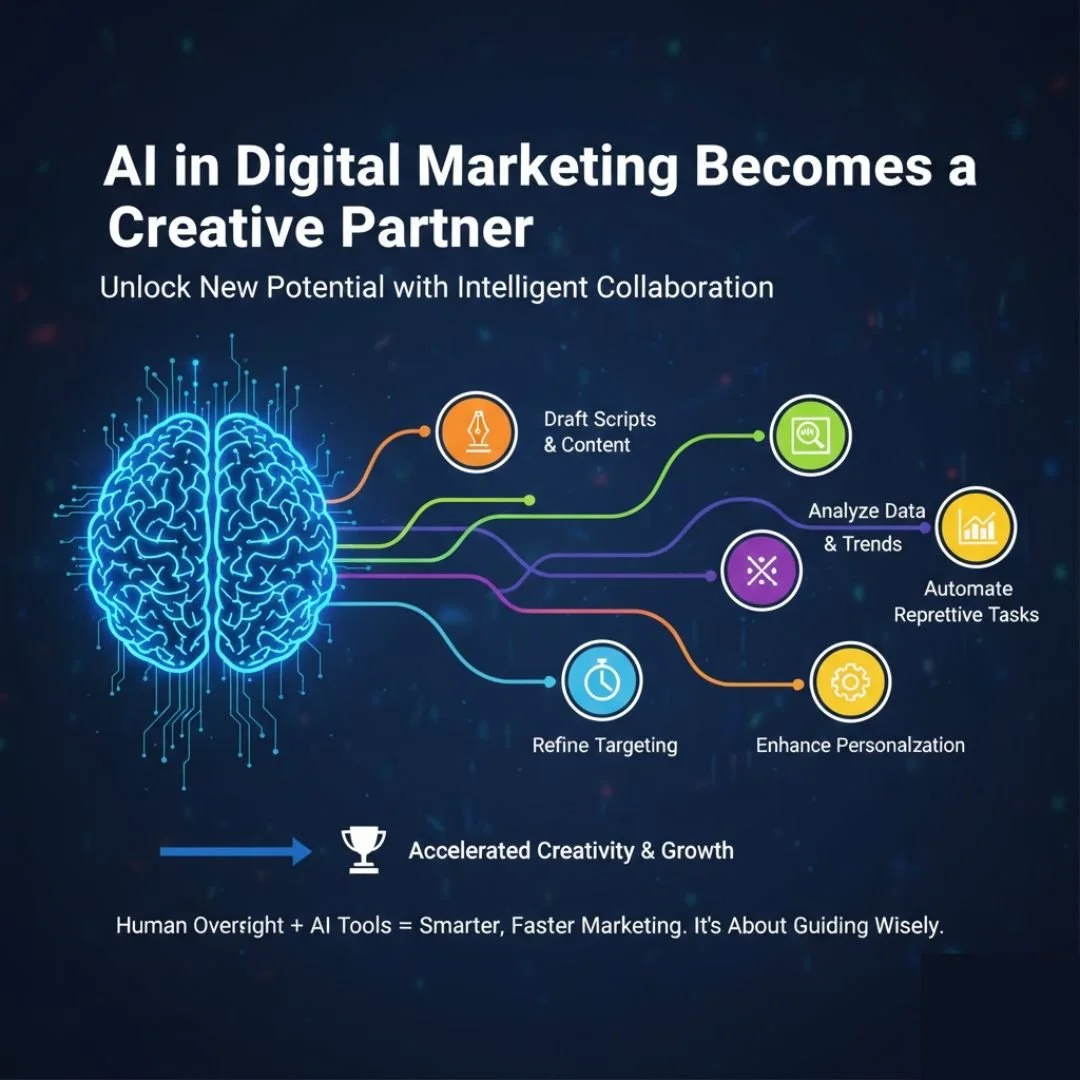
2. AI in Digital Marketing Becomes a Creative Partner
AI steps into everyday workflows with more reliability and less friction. Teams use AI tools to draft scripts, analyze patterns, and refine targeting. These systems save time, though they still need human oversight. Because buyers expect relevance, AI helps deliver tailored experiences faster. Strong prompts and clean data matter more than fancy tools. When teams guide AI wisely, output becomes sharper and more consistent. Instead of replacing creative work, AI accelerates it.
3. Content Marketing Trends 2026 Push Toward Clarity
The strongest content marketing trends 2026 center on clean storytelling, faster delivery, and platform-native formatting. Readers no longer tolerate long detours or padded explanations, so brands keep messages tight and purposeful. Content now answers one specific question at a time, which makes it easier for audiences to absorb and easier for platforms to surface. Although long-form pieces still matter, shorter micro-stories influence visibility across search-driven platforms. This shift mirrors wider trends in digital marketing that reward relevance over volume. Brands that focus on clarity, helpfulness, and structure consistently outperform those relying on broad, unfocused messaging.
4. Omnichannel Marketing Strategies Build Real Consistency
Customers hop between platforms all day, so brands need smoother transitions. Strong omnichannel marketing strategies link emails, ads, social posts, and on-site content. When those pieces align, the experience feels effortless. These patterns match modern trends in digital marketing because people dislike friction. Even simple integrations improve the customer journey and support conversions. Businesses map processes to remove friction, build trust, and increase client acquisition. This structure builds trust and reduces abandoned carts. While full alignment takes time, small fixes deliver quick wins. Teams improve performance just by syncing messages.
5. Digital Marketing Strategies 2026 Prioritize Relevance
Planning becomes sharper as brands focus on retention and real relevance. Personalization drives loyalty because buyers want tailored experiences. Predictive insights help teams catch shifts early. Instead of chasing every new tactic, brands refine a small set. They also review data weekly to stay flexible. Because competition increases, clear strategy matters more. Businesses invest in tools that simplify attribution and track lifetime value. This leaner playbook reduces waste and strengthens long-term performance.
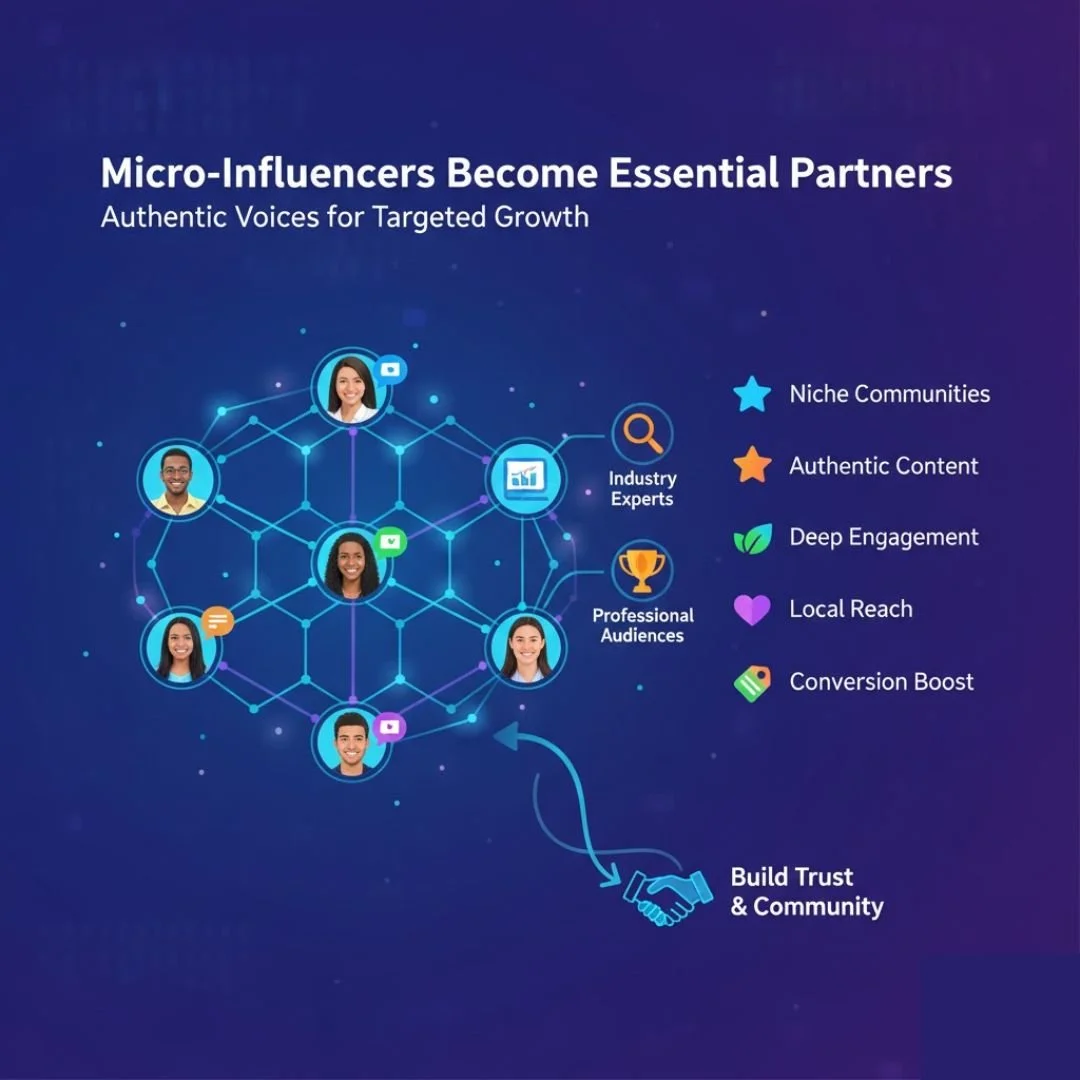
6. Micro-Influencers Become Essential Partners
Industry experts and thought leaders earn trust because their insights engage professional audiences, helping service-based businesses attract clients online. Their audiences engage deeply, which boosts conversions for small businesses. This trend matches current trends in digital marketing, especially as algorithms reward meaningful interaction. Local creators help brands reach niche groups with authenticity. Brands choose partners based on alignment, not size. Because micro-influencers adapt quickly, they produce content that feels natural. Their recommendations resonate because viewers sense real enthusiasm. With the right creators, marketing feels like a conversation rather than a pitch.
7. First-Party Data Turns Into a Strategic Advantage
Privacy laws reshape data collection, so brands must build stronger direct relationships. First-party data offers reliable insights when handled ethically. Email lists, loyalty programs, and gated experiences deliver clean signals. Buyers share information when the value exchange feels fair. Tools that capture preferences without pressure perform best. Brands use this data to personalize offers and refine messaging. Because third-party tracking fades, first-party information becomes the foundation for long-term success.
8. Privacy Laws Transform Targeting Approaches
Regulations tighten every quarter, so brands adjust quickly. Transparent practices increase trust and reduce risk. These changes influence important trends in digital marketing, especially around measurement. Teams replace invasive tactics with consent-driven tools. They refine attribution models using CRM connections and on-site analytics. Although tracking becomes harder, quality improves because data stays cleaner. Ethical marketing becomes a competitive advantage. Clear policies also strengthen customer confidence.
9. Interactive Content Boosts Engagement
Interactive tools help brands stand out in crowded feeds. Buyers enjoy experiences that respond to their choices. Quizzes, selectors, and simple calculators make learning fun and personal. These tools align strongly with the trends in digital marketing focused on participation. Engagement rises because people enjoy exploring. Businesses gather insights without forcing surveys. Interactive pieces perform well across social channels and landing pages. Because they encourage action, they shorten the path from interest to conversion.
10. Personalization Becomes More Accurate
AI-driven personalization shapes pages, emails, and recommendations. These adjustments increase relevance and reduce decision fatigue. This shift supports the growing trends in digital marketing prioritizing user experience. Teams start small with segmented messages and expand into dynamic content. Personalization succeeds when it feels helpful rather than invasive. Brands monitor performance closely to avoid misalignment. When executed thoughtfully, personalization turns casual browsers into committed customers.
11. Hybrid Events Replace One-Dimensional Webinars
Hybrid events blend digital reach with human warmth. Attendees choose how to participate, which increases accessibility. This model reflects broader trends in digital marketingthat favor flexibility. Brands deliver more value through shorter sessions and interactive segments. Hybrid formats help businesses showcase expertise without overwhelming audiences. They also support long-term community building. When teams combine virtual and in-person elements, engagement climbs naturally.
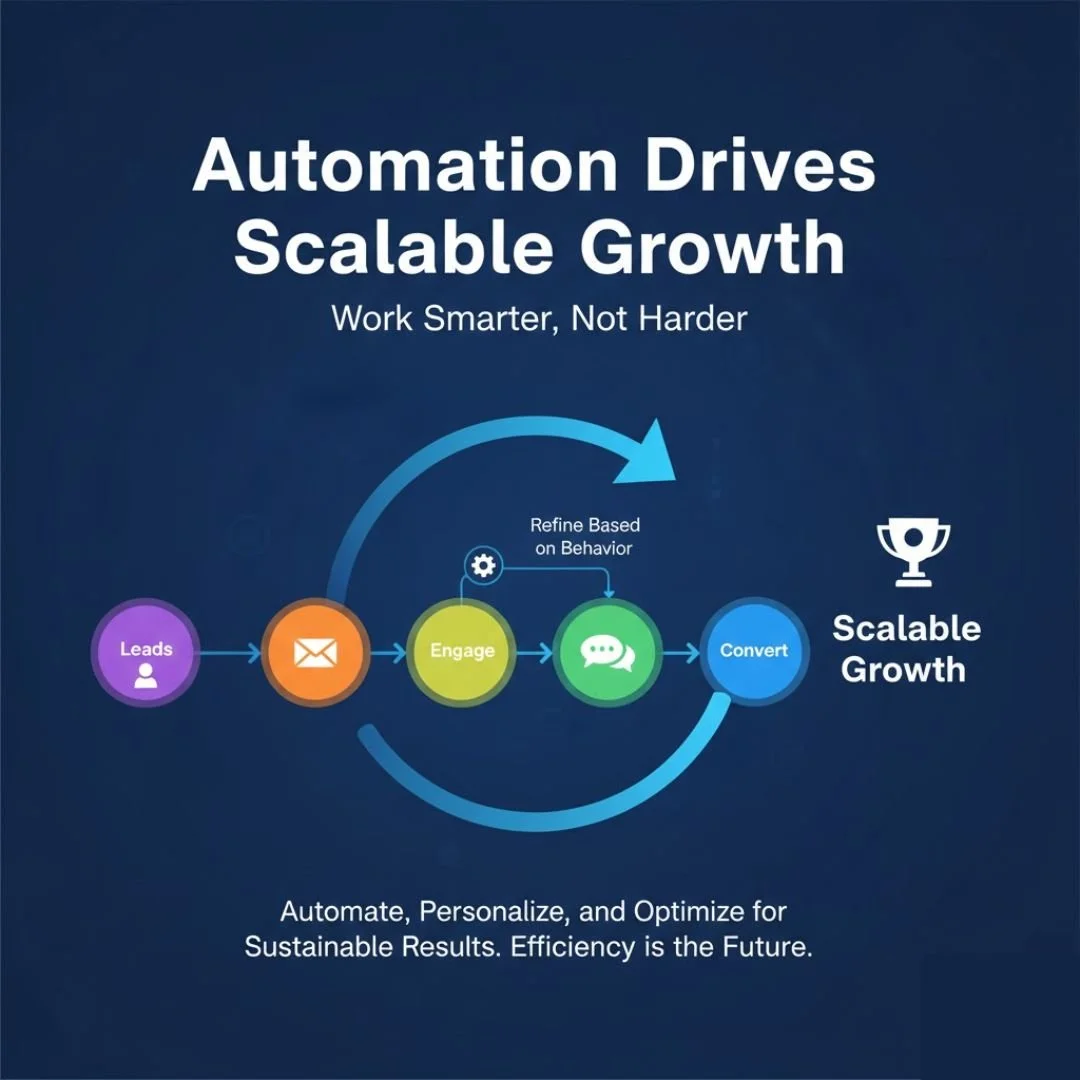
12. Automation Drives Scalable Growth
Automated sequences nurture leads while freeing teams from constant manual work. This efficiency supports the ongoing trends in digital marketing built around sustainability. Flows connect offers, reminders, and educational pieces. Effective automation feels personal, not robotic. Teams refine messages based on behavior and preferences. Automation creates steady momentum even when schedules tighten.
13. Social Search Optimization Grows More Important
People search within social platforms before visiting Google. This behavior influences current trends in digital marketing, especially for discovery. Brands optimize captions, hooks, and keywords to appear in social search results. Short clips and clear messaging perform well across LinkedIn, X (formerly Twitter), and email campaigns. Consistent formatting helps algorithms understand your content. Strong social SEO increases visibility without heavy ad spend.
14. Communities Build Strong Brand Loyalty
Community-driven marketing returns as a powerful differentiator. Private groups, member circles, and topic-based hubs increase connection. These spaces reflect deeper trends in digital marketing related to trust. People stay loyal when they feel heard. Brands share resources, celebrate wins, and invite conversation. Community work requires consistency, yet it strengthens long-term loyalty. It also generates valuable insights directly from customers.
How Gray Bay Helps You Steer the 2026 Shift
2026 asks a lot from small and mid-sized businesses. New tools show up every month, attention feels scattered, and even steady channels demand smarter thinking. Yet the good news is this: you don’t need to chase every shiny object. You only need a plan that matches your pace, your customers, and the trends in digital marketing most likely to drive real progress.
We help service-based businesses translate big shifts into practical moves that drive measurable growth – like clarifying strategy, improving content and campaigns, or using emerging marketing technologies that directly support business growth and ROI. We mix strategy with storytelling, data with warmth, and analytics with the occasional coffee-fueled brainstorm. Our team of SEO Services in San Francisco keeps things clear, doable, and grounded in what national service-based audiences respond to.
If you want a partner who understands business operations and online growth, we’re ready when you are.