
Latest AEO Trends 2026: 6 Ways to Help AI Recommend Your Brand
SEO and AEO may sound like the same thing. Both help people discover brands online, but they focus on different search experiences. SEO improves visibility in traditional search results, while AEO helps brands become visible, cited, and accurately represented in AI-generated answers.
Strong Google rankings can support AI visibility, but they do not guarantee that ChatGPT, Gemini, Perplexity, or another answer engine will mention your brand. AI platforms may retrieve, evaluate, and present sources differently from traditional search engines, creating a new visibility gap for brands to address in 2026.
The good news is that you do not have to throw your SEO strategy away. You need to understand what AI looks for, where it gets information, and how your existing content can work harder in this new search environment.
In this guide, we’ll look at six of the latest AEO trends 2026 marketers need to know and the practical steps you can take to give your brand a better chance of being found, cited, and recommended by AI.
What Is AEO and Why Does It Matter in 2026?
Answer Engine Optimization, or AEO, is the process of making a brand’s information easier for AI-driven platforms to discover, interpret, cite, and describe accurately when answering user questions. The goal is not simply to appear somewhere in a list of search results. It is to become a useful source that AI can confidently include in its answer.
That shift matters because people are using tools like ChatGPT, Gemini, and Perplexity to research products, compare services, ask for recommendations, and find solutions. Your brand may never get a click if the AI answers the question without mentioning you.
AEO focuses on things such as clear answers, useful content, strong page structure, relevant third-party mentions, and information that AI systems can easily understand. Your existing SEO work still matters. Crawlability, indexability, internal links, useful content, backlinks, and organic visibility can help answer engines discover and evaluate your information.
In 2026, the brands paying attention to both search rankings and AI visibility have a better chance of staying part of how customers discover and evaluate their options.
Read more: ChatGPT Ads vs. Google Ads: How Paid Search is Changing
6 of the Latest AEO Trends 2026 Marketers Should Watch
The latest AEO trends 2026 show a clear shift toward AI recommendations, stronger content structure, varied content formats, and visibility beyond your own website. Here are the six key AEO trends to watch in 2026:
Trend 1: AI Recommendations Are Influencing Buying Decisions
AI tools are becoming part of the buying journey. People are asking for product suggestions, comparing services, and looking for the best option before making a decision. This means getting your brand mentioned in an AI answer can put you in front of someone who is already looking for a solution.
Trend 2: Most Brands Are Still Treating AEO as an Experiment
Many businesses know AEO matters, but they have not turned it into a consistent part of their content strategy. Random tests make it difficult to see what works. Brands need a clear process for checking AI visibility, tracking mentions, and finding areas that need attention.
Trend 3: AI Is Citing a Wider Mix of Content Formats
Blog content still has a place in AEO, but it is only one part of the picture. AI tools can pull information from comparison pages, product pages, listicles, FAQs, buying guides, and other useful formats. A wider content mix gives AI more relevant information to work with.
Trend 4: Page Structure Can Affect AI Citations
The way information is presented can make a difference in how easily AI systems understand and use a page. Clear headings, direct answers, short summaries, FAQs, and visible update dates can help important information stand out.
Trend 5: Offsite Authority Is Shaping AI Visibility
Your website is only one source AI can use when forming an answer. Discussions on Reddit, LinkedIn, YouTube, forums, review sites, and industry communities can also shape how a brand is understood. Building a genuine presence across relevant platforms can give AI more sources to draw from.
Trend 6: SEO, AEO, Content, and Digital PR Are Converging
AEO does not mean starting your SEO strategy from scratch. Strong rankings, useful content, backlinks, and site authority can give you a solid foundation. The next step is to structure that content so it also works well for AI-driven discovery and recommendations.
How to Turn These AEO Trends Into a 30 Day Strategy
Knowing the latest AEO trends 2026 is useful, but the real value comes from putting them into practice. You do not need to change everything at once. Start with the pages and platforms that already have the most potential, then build from there.
Here is your plan:
Week 1: Check Your Current AI Visibility
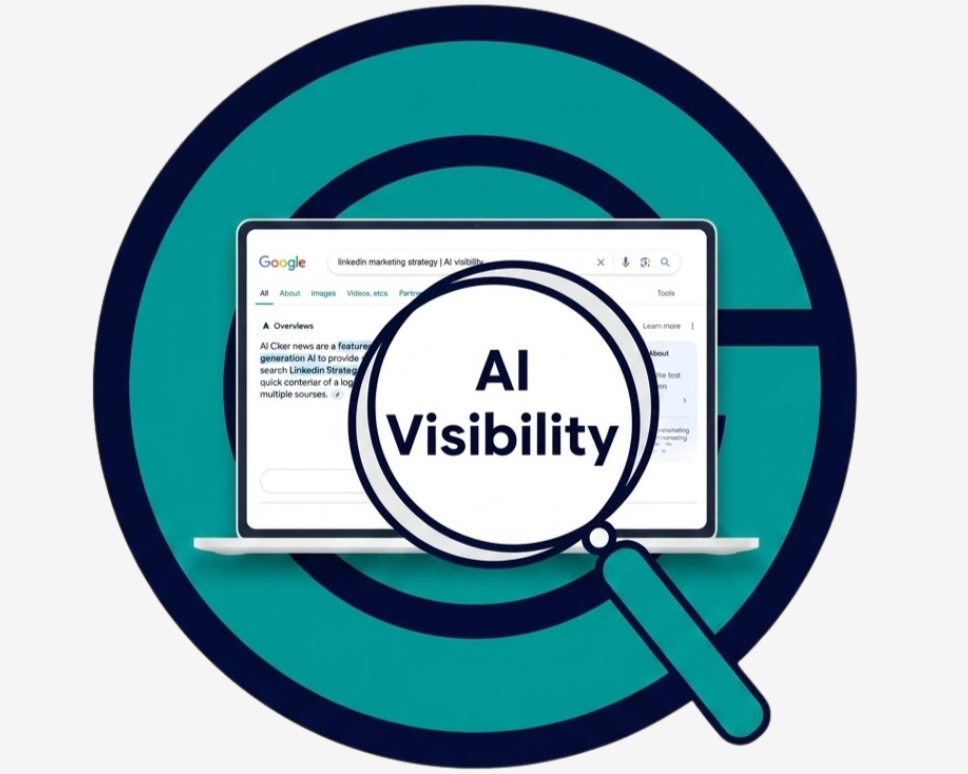
Create a fixed list of 15 to 30 questions that potential customers might ask during research and evaluation. Include category questions, comparisons, alternatives, problems, use cases, pricing questions, and “best” recommendations. Test the same prompts across ChatGPT, Gemini, Perplexity, Microsoft Copilot, and relevant Google AI results.
Record the platform, date, prompt, brands mentioned, recommendation order, cited sources, description of your brand, and any factual inaccuracies. This creates a more reliable baseline than performing a few informal searches.
Week 2: Audit and Improve Your Existing Content
Review the pages most closely connected to high-value customer questions. These may include product pages, service pages, location pages, comparison content, buying guides, and high-performing blog posts. Confirm that each page is crawlable, indexable, internally linked, factually accurate, and easy to navigate.
Add direct answers, descriptive headings, useful summaries, comparison tables, FAQs, supporting evidence, and relevant update dates where they help the reader. Do not add these elements mechanically to every page.
Week 3: Build Content Around Real Questions
Use the gaps identified in Week 1 to plan new content. Prioritize questions for which competitors appear, but your brand does not, especially when those questions reflect strong commercial or problem-solving intent.
Choose the format that best matches each need, such as a comparison page, service page, product guide, case study, research report, FAQ, video, or expert article. Include original examples and evidence whenever possible. Avoid creating several pages that answer the same question with slightly different keywords.
Week 4: Build Your Presence Beyond Your Website
Identify the third-party sources your customers use to evaluate businesses in your industry. These might include review platforms, professional associations, local directories, trade publications, LinkedIn, YouTube, Reddit, or specialist forums.
Correct inaccurate listings, complete important profiles, respond appropriately to reviews, and contribute useful expertise where participation is welcome. Seek legitimate coverage and partnerships when relevant. The goal is to build an accurate, credible public presence rather than distribute promotional mentions indiscriminately.
Keep Tracking Your Progress
At the end of the 30 days, repeat the same prompts under conditions that are as consistent as possible. Compare brand mention rate, citation rate, recommendation position, cited pages, factual accuracy, competitor visibility, and referral traffic.
Avoid drawing conclusions from a single response. Look for patterns across prompts, platforms, and testing periods. Use those findings to decide which content, technical improvements, or offsite activities deserve attention during the next month.
| Week | Focus | Answer Engine Optimization Techniques | Goal |
|---|---|---|---|
| Week 1 | Check AI Visibility | Search your brand on ChatGPT, Gemini, and Perplexity. Test questions related to your products, services, and industry. | Find out how often your brand appears and how AI describes it. |
| Week 2 | Improve Existing Content | Review key product, service, comparison, and blog pages. Add direct answers, clear headings, FAQs, summaries, and current information. | Make important information easier for AI systems to understand and cite. |
| Week 3 | Create New Content | Build content around real customer questions. Add comparison pages, listicles, buying guides, FAQs, and other useful formats. | Fill content gaps and answer questions your audience is already asking. |
| Week 4 | Build Offsite Visibility | Look for relevant conversations on Reddit, LinkedIn, YouTube, forums, review platforms, and industry communities. Share useful insights where they fit naturally. | Give AI more credible sources and mentions to discover your brand. |
| Day 30 | Measure & Plan | Repeat your AI visibility checks and compare the results with your Week 1 baseline. Note what improved and what still needs work. | Turn your findings into the next month’s AEO priorities. |
AEO Best Practices to Follow in 2026
AEO works best when you treat it as part of your regular content strategy. Keep these AEO best practices in mind as you create, update, and review your content:
Answer questions directly: Give a clear answer near the top of the page before adding deeper details.
Use question-based headings: Structure sections around the questions your audience actually asks.
Make key information easy to find: Use short paragraphs, clear headings, lists, tables, and FAQs where they make sense.
Keep content current: Review important pages regularly and update outdated facts, examples, product details, and statistics.
Use different content formats: Build a mix of comparison pages, product or service pages, listicles, guides, FAQs, and helpful blog posts.
Show real expertise: Include original insights, practical experience, examples, and information that adds something useful to the topic.
Build visibility beyond your website: Contribute useful information to relevant communities and platforms where your audience already spends time.
Keep your SEO foundation strong: Good technical SEO, useful content, internal links, backlinks, and search visibility still support your AEO efforts.
Track AI visibility: Regularly check how AI platforms mention, describe, and recommend your brand so you can spot changes and content gaps.
How to Measure AEO Performance
AEO performance involves more than checking whether an AI platform mentions your brand once. Use a consistent set of prompts and track changes over time.
Brand mention rate: The percentage of tested answers that mention your brand.
Citation rate: The percentage of answers that cite or link to your content.
Recommendation rate: The percentage of relevant answers that actively recommend your brand.
Recommendation position: Where the brand appears when an answer presents a shortlist.
Citation accuracy: Whether the cited page supports the statement attached to it.
Brand accuracy: Whether the answer describes your services, products, locations, prices, and policies correctly.
Competitor visibility: Which competing brands appear and how frequently they are recommended.
AI referral traffic: Visits attributed to AI platforms in your analytics.
Conversions: Leads, purchases, calls, or other actions resulting from AI-referred visits.
These metrics should be evaluated together. A citation may increase visibility without generating a visit, while an accurate recommendation may influence a customer who returns through another channel later.
How to Get Recommended by AI?
Getting recommended by AI starts with giving it useful, trustworthy information about your brand. Create clear content that answers real customer questions and covers topics your audience cares about. Use comparison pages, product or service pages, FAQs, guides, and other formats that make key information easy to understand.
Keep important pages accurate and updated as details change. Your presence outside your website matters too. Genuine mentions, discussions, reviews, and useful contributions across relevant platforms can give AI more context about your brand. Keep your SEO foundation strong, then track how AI tools describe and recommend your brand over time.
Read more: The AI Skills Every Digital Marketer Needs to Succeed in 2026
Final Thoughts
The way people discover brands is changing, and AI is becoming part of that journey. The latest AEO trends 2026 point to a broader approach where useful content, clear answers, strong page structure, and a credible online presence all matter.
You do not need to rebuild your entire marketing strategy overnight. Start with the pages that already bring value, find the questions your audience still needs answered, and make your expertise easier to understand across different platforms.
Keep testing, updating, and checking how AI presents your brand. Small improvements made consistently can help your business stay visible as AI-driven discovery continues to develop.
Bring Your SEO, AEO, and Paid Strategy Together
Getting your brand recommended by AI is one part of a bigger digital marketing strategy. Gray Bay Marketing helps businesses build visibility across search, AI platforms, and paid channels with services designed around their broader marketing goals.
Explore AI SEO Services for AI-focused search visibility, Paid Media Agency Services for paid campaigns across key platforms, and Google Ads Management Services for targeted search advertising.
Ready to build a strategy that brings these channels together? Talk to Gray Bay Marketing and find the right approach for your brand.
FAQs About Latest AEO Trends 2026
How do I know if AI is mentioning my brand?
Search for your brand using questions your customers would naturally ask. Try different AI platforms and record when your brand appears, how it is described, and which sources are mentioned.
How often should I check my AI visibility?
A monthly check is a good starting point. You can review the same set of questions each month and compare the results to spot changes over time.
Does having a high Google ranking guarantee AI visibility?
No. Search rankings can help, but AI platforms consider information from different sources when creating answers. Your brand can rank well in search and still have limited visibility in AI responses.
What type of content should I create for AI platforms?
Focus on content that answers specific customer questions. Comparisons, product or service pages, buying guides, listicles, FAQs, and detailed educational content can all serve different parts of the research process.
Does my website need to be redesigned for this?
Not necessarily. Start by reviewing your existing pages. Clear headings, direct answers, useful summaries, FAQs, and easy-to-find information can often be added without changing the entire site.
Can mentions outside my website affect how AI describes my brand?
They can provide additional context. Discussions, reviews, videos, professional profiles, and relevant community conversations can all contribute to the information available about your business online.
How long does it take to see results?
There is no fixed timeline. It depends on your existing content, online presence, industry, and how frequently AI platforms update or retrieve information. Consistent improvements and regular checks give you a clearer picture over time.