
How to Turn Blog Traffic into Paying Clients (Without More Traffic)

Most blogs get traffic, but very few actually turn that attention into real business results. You might have visitors coming in from search engines, social media, or referrals, but they read a post and leave without taking any meaningful action. That’s where the real problem starts.
The real challenge is not getting people to your blog, but understanding how to convert blog traffic into leads in a structured and intentional way. It’s not about pushing harder for more visitors, but about improving what happens when they land on your content.
In this guide, we’ll break down simple and practical ways to improve your results so your existing traffic starts turning into real business opportunities instead of just passing through.
How to Convert Blog Traffic into Leads (Quick Answer)
Match content to user intent
Guide readers with internal links
Add clear CTAs
Offer useful lead magnets
Reduce friction in actions
Why Blog Traffic Doesn’t Automatically Turn into Clients
Many businesses assume that more visitors will automatically lead to more sales, but in reality, there is a big gap between reading content and taking action. Most users come, consume information, and leave without ever engaging further.
This happens because traffic alone is passive. It only becomes valuable when it is guided through a clear path that builds trust, interest, and intent over time. Here are some more reasons on why blog traffic doesn’t automatically turn into clients:
No clear conversion path for readers
Most blogs focus on information but don’t guide users toward what to do next. Without a clear path, visitors finish reading and exit without taking action.
Weak or missing calls to action
If users are not told what to do next, they won’t do anything. Many blogs either hide CTAs or place them too late in the content.
Lack of trust-building elements
Visitors don’t convert if they don’t trust the brand. Without testimonials, case studies, or proof, users hesitate to take the next step.
Content focuses on SEO, not user journey
Many blogs are written to rank, not to convert. This creates content that attracts traffic but fails to move users forward.
No connection between content and services
When blog content is disconnected from offers or services, users have no reason to continue their journey beyond reading.
When these issues are not fixed, traffic remains just numbers on a dashboard instead of turning into real business growth.
Blog Conversion Strategy: Turning Readers into Real Leads
Here is how you can build a strong blog conversion strategy:
Focus on user intent alignment
Your content should always start with understanding what the reader actually wants when they land on your blog. Different users come with different expectations, and if your content doesn’t match that intent, they leave without taking any action. This is where intent alignment becomes the foundation of a strong strategy.
When you align content properly, you naturally support a how to convert blog traffic into leads approach because every section starts guiding the reader instead of just informing them.
Here’s how you can do it effectively:
Match the topic with the exact search query or problem the user has
Keep the language simple so readers instantly feel understood
Avoid adding unnecessary information that distracts from the main goal
Structure content so it gently moves from problem → solution → action
Create a clear journey between posts
Most blogs lose potential leads because each post works in isolation instead of being part of a connected path. When there is no clear journey, users read, leave, and never explore further.
To fix this, you need to design your content in a way that naturally guides users from one stage to the next. Think of your blog like a pathway, not a collection of separate pages.
Here’s how to build that flow during your journey on how to convert blog traffic into leads:
Link related blogs together so users can continue learning without searching again
Move readers from basic informational posts to more detailed, solution-focused content
Place internal links inside the content where they feel natural, not forced
Guide users toward deeper resources like guides, case studies, or service pages
Add intentional conversion points
Instead of treating calls-to-action as an afterthought, build them into the content flow. They should feel like a natural next step, not a forced interruption.
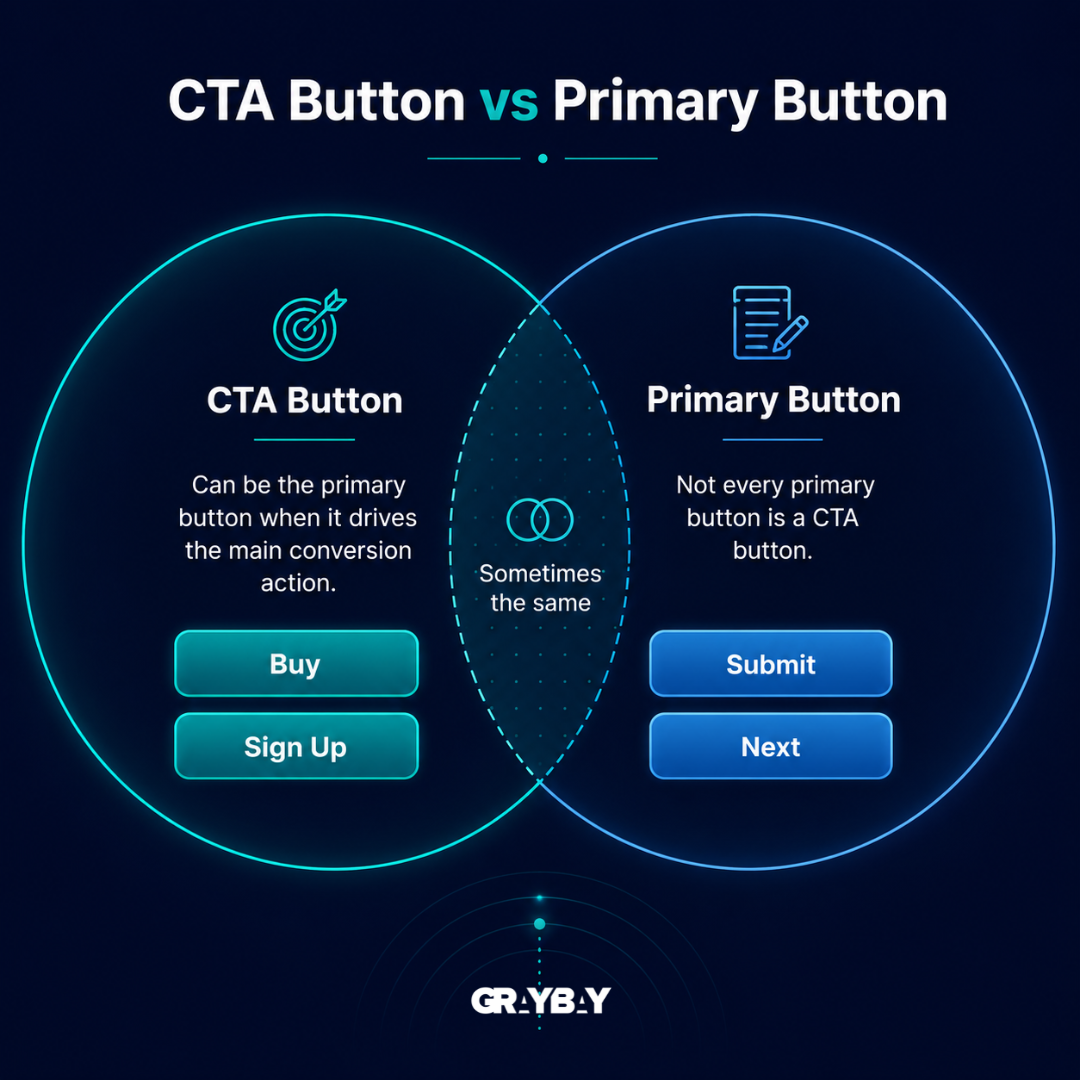
Here are some tips for you:
Understand the clear difference between CTA and primary buttons
Place CTAs after explaining key problems or solutions
Offer actions that match the reader’s current stage of interest
Use simple, action-driven language like “get,” “learn,” or “explore.”
Keep one primary goal per blog to avoid confusion
When readers are guided properly, they are far more likely to move forward instead of dropping off.
Read more: Content Gap Analysis: The Strategy to Rank Higher on Google
Guide users with clear internal pathways
After trust starts building, the next step is helping users move in a direction that feels natural. Many blogs still lose readers at this stage because there is no structured path guiding them toward action. They finish reading, then have no clear idea where to go next.
A strong approach is to design your internal links in a way that feels like gentle direction instead of random suggestions. Each link should connect to something that expands on what the reader has just learned. For example, a reader exploring strategy-related content can be guided toward service pages or deeper guides that explain implementation in more detail. This creates a steady flow that keeps users engaged instead of letting them exit after one page.
When your content structure supports this kind of movement, readers stay longer and naturally move closer to conversion without feeling pushed.
Content Conversion Funnel: Turning Readers into Leads
A strong content conversion funnel helps move readers through different stages instead of leaving them at the information stage only. It usually starts with awareness, where users discover your blog through search or social platforms. From there, the content builds interest and trust before guiding readers toward actions like subscribing, downloading a resource, or contacting your business. When each stage connects naturally, readers are more likely to turn into qualified leads instead of passive traffic.
Reduce friction in decision-making
Even when users are interested, they may hesitate if the process feels complicated or unclear. That hesitation is what usually stops conversions. Your job is to make the next step as simple and obvious as possible.
If users have to think too much, they often don’t act at all.
Best tips for you on how to convert blog traffic into leads:
Avoid overwhelming users with too many options at once
Keep forms, buttons, and actions simple and easy to understand
Remove unnecessary steps between interest and action
Clearly explain what happens after they take the next step
When the process feels smooth and low-effort, users are more likely to trust you and continue forward.
Use lead magnets that feel genuinely useful
Lead magnets work when they feel like something the reader actually wants right away, not something added just for collecting emails. This is a key part of how to convert blog traffic into leads, because it gives readers a clear reason to take action instead of just leaving.
A simple checklist or short guide works better than anything complicated. It should match the topic they are already reading, so the connection feels obvious. When someone is reading about a problem, and you offer a quick way to handle that exact problem, the exchange feels fair and easy.
Placement also matters. It should appear after a moment where the reader already sees value in your content, not at the very start, where they are still deciding if they trust you.
Strengthen content clarity around offers
A lot of blogs lose people here because the offer is not explained in a direct way. Readers should not feel like they are decoding anything. If they have to think too much, they usually leave.
It helps to keep the language simple and tied to real outcomes. What the service does, how it helps, and why it matters should feel obvious from the content itself. When your blog naturally supports the offer, it doesn’t feel like a separate pitch anymore. It just feels like the next logical step.
Improve content flow with reader progression in mind
Good content feels like it is moving somewhere instead of sitting in one place. Each section should feel like it connects to the next without forcing it.
You can start with the problem, then slowly build understanding before moving into solutions. If everything is explained too early, readers lose interest. If nothing is connected, they get confused and leave.
When the flow feels natural, people stay longer without thinking about it. They just keep reading because each part feels like it belongs to the same path.
How to Convert Blog Traffic into Leads with High-Converting Content
A blog only starts working when it does more than share information. The structure, intent, and flow all decide if a reader stays, trusts, and eventually takes action. When you build each part with purpose, your “how to convert blog traffic into leads” approach becomes much more effective without needing extra traffic.
Here is a simple breakdown of what a high-converting blog actually includes:
| Blog Element | What You Do | Why It Matters | What Most People Miss |
|---|---|---|---|
| Headline | Write a clear promise that matches the search intent | It decides if the reader clicks or ignores the post | Overly creative headlines that don’t explain value |
| Introduction | Set the real problem before diving into the main topic | Builds instant connection and keeps them reading | Starting too broad or generic without real context |
| Content Flow | Move from problem → explanation → solution in a natural order | Keeps attention steady and reduces drop-off | Jumping straight into solutions without context |
| Internal Links | Add relevant links to content and service pages | Guides users toward the next step naturally | Random linking with no intent or direction |
| CTAs | Use clear, simple actions after valuable sections | Turns interest into action | Pushing sales too early or using unclear CTAs |
| Trust Elements | Add proof like results, examples, and use cases | Reduces hesitation and builds confidence | Claims about value without support |
| Lead Capture | Offer something useful in exchange for contact details | Converts passive readers into leads | Offering something too generic or irrelevant |
A blog becomes high-converting when each part works like a small step in a larger journey instead of isolated writing.
Read more: What Is Long Form Content? Tips on How to Make It Rank in SEO
Final Words on How to Convert Blog Traffic Into Leads
A blog starts to work when it feels clear and intentional from the first line to the last. Readers do not convert just because they liked the content. They convert when everything around the content quietly guides them in the right direction.
Small changes in structure, placement, and flow often make the biggest difference. When your message feels direct and your next step feels obvious, people don’t need convincing. They simply move forward. That is where how to convert blog traffic into leads really begins to show results in a practical way. When done right, how to convert blog traffic into leads becomes a consistent system rather than a one-time effort.
If your blog is getting traffic but not leads, it's usually a strategy problem—not a traffic problem. Gray Bay Marketing delivers comprehensive digital marketing solutions that help businesses turn website visitors into qualified leads. Whether you need AI SEO services, Google Ads campaign management services, Facebook marketing services, or support with content strategy, conversion optimization, and performance marketing, our team builds systems designed to generate measurable business growth.
Contact us today and let's turn your existing traffic into consistent, high-quality leads.
FAQs: How to Convert Blog Traffic Into Leads
What is a content conversion funnel in simple terms?
A content conversion funnel is the step-by-step journey that takes a reader from discovering your blog to taking action like signing up, downloading, or buying. It helps organize content so each piece supports the next stage of decision-making instead of working in isolation.
How does lead generation from blogs actually work?
Lead generation from a blog happens when your content is structured to attract the right audience and guide them toward an action, like filling a form or subscribing. It works best when your blog includes helpful content, clear CTAs, and relevant offers that match reader intent.