
How to Build a Content Marketing Strategy from Scratch (Step-by-Step)
Most people start creating content before they even think about a proper content marketing strategy. It usually begins with a few blog posts, some social media updates, maybe a bit of SEO work here and there. Everything feels active, but there is no real direction behind the overall content marketing strategy.
After some time, the effort starts feeling scattered. Traffic might come in, but it does not stay consistent. Leads are uncertain. Content gets published, then quickly forgotten. The problem is rarely the effort. It is the missing structure that holds everything together.
A clear strategy brings order to that chaos. It helps you understand what to publish, who it is for, and what it should lead to. Instead of guessing, there is a path that connects each piece of content to a purpose.
This guide walks through that process in a simple way. Each step builds on the next, so you can move from random content creation to something that actually supports your goals in a steady, reliable way.
What is a Content Marketing Strategy?
A content strategy is a structured approach to planning, creating, and distributing content to attract and engage a specific audience with the goal of driving business results. It focuses on using content in a planned way instead of publishing randomly, so every piece serves a clear purpose in the overall system.
For example, a business that sells eco-friendly home products can use a content marketing strategy to educate its audience about sustainable living. Instead of only promoting products, it can publish blogs, guides, and comparison content that answer real customer questions. Over time, this builds trust and brings in consistent organic traffic that leads to sales.
In simple terms, a strategy helps turn content into a planned system that supports business growth instead of isolated marketing activity.
Read more: Content Gap Analysis: The Strategy to Rank Higher on Google
Why Content Marketing is Important Even in 2026
A strong content marketing strategy framework still plays a major role in how people discover, trust, and choose a brand. Search behavior has changed over the years, but the need for helpful, consistent content has not gone away. In fact, it has become even more important as competition and information noise continue to grow.
Here are a few simple reasons why content marketing still matters in 2026:
Builds trust before the first interaction
People usually discover a brand through content long before they make a decision. Helpful blogs, guides, and answers create a sense of familiarity. This early trust often decides whether someone stays or leaves.
Supports long-term visibility
Paid ads stop the moment you stop spending. Content continues working in the background. Well-structured content keeps bringing in traffic over time without constant investment.
Improves search presence
Search engines reward useful and relevant content. A clear system helps your pages rank for the right queries and reach users who are already looking for solutions.
Guides user decisions
Good content does not just attract visitors. It helps them understand options, compare solutions, and move closer to taking action.
Creates consistency across channels
When content is planned properly, every platform feels connected. The message stays aligned, which makes the brand easier to recognize and trust.
A well-planned content marketing strategy brings all of these elements together so that the content does not feel random or disconnected.
How to Build a Content Marketing Strategy Using a Content Strategy Framework
Now that you understand why content still matters, the next step is putting everything into a clear system. Most businesses struggle here because ideas exist, but there is no structure that connects them. That is where planning becomes important. Here is how you can create a content strategy framework:
Step 1: Define Clear Business Goals
Before anything else, you need to be very clear about what your content is supposed to achieve. Most content fails because it starts with topics instead of direction. A strong content marketing strategy always begins with purpose, not publishing.
Think about what your business actually needs right now. It can be more website traffic, consistent leads, better conversions, or stronger brand awareness. Each goal changes the kind of content you will create and how you will measure success.
It helps to bring everything down to real business outcomes instead of vague numbers. For example, getting 10,000 blog visits means little if none of those visitors take action. On the other hand, even 500 targeted visitors can bring value if they are the right audience and move further into your funnel.
A simple way to structure your goals is to connect content directly with business priorities:
Traffic-focused goals: This is about bringing more relevant visitors to your website through search engines and organic channels. The focus here is visibility and reach.
Lead generation goals: This is about turning visitors into potential customers through forms, sign-ups, or inquiries. Content should guide users toward taking a clear next step.
Sales or conversion goals: This focuses on users who are ready to buy. Content here supports decision-making through comparisons, case studies, or solution-based pages.
Step 2: Understand Your Target Audience
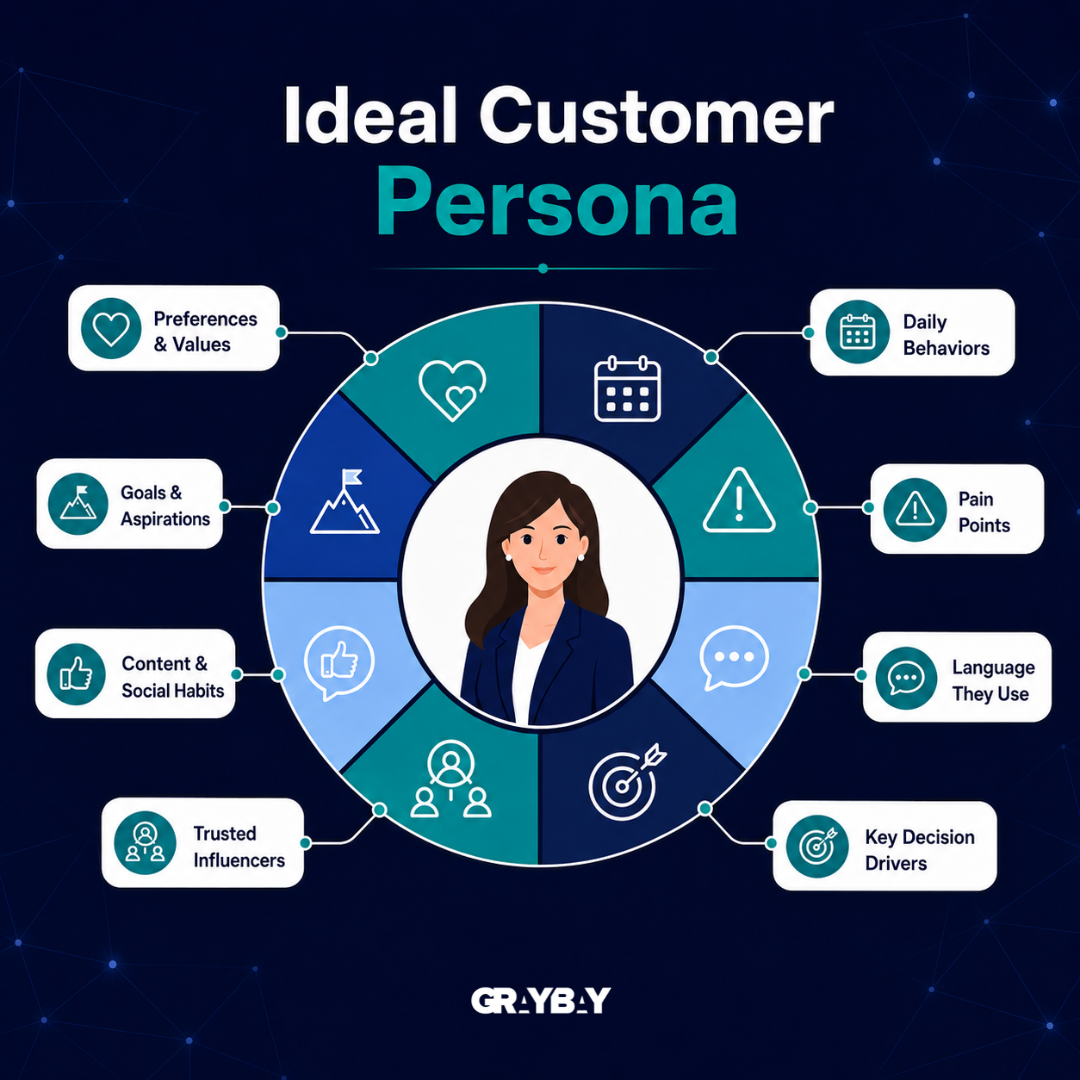
Once your goals are clear, the next part is getting a real sense of who you are speaking to.
Start by looking at your actual customers or ideal buyers. Think about what they are trying to solve, what confuses them, and what stops them from making a decision. These small details matter more than broad assumptions.
To make this easier, you can group your audience into simple profiles based on behavior instead of complex descriptions:
People looking for basic information: These users are just starting out. They want simple answers and clear explanations without too much detail.
People comparing options: This group already knows their problem and is now trying to decide between different solutions or brands.
People ready to take action: These users are close to making a decision. They need reassurance, clarity, and trust before moving forward.
When you understand these groups, your messaging becomes more focused. You are no longer guessing what to write. Instead, every piece of content fits into a clear path inside your content marketing strategy, guiding people step by step based on where they are in their journey.
Step 3: Perform Keyword and Topic Research
After you understand your audience, the next step is finding out what they are searching for. =
Keyword and topic research help you understand demand. It shows what people are looking for, how they phrase their questions, and what type of content already exists in your space. Once you see this clearly, it becomes easier to decide what is worth creating and what is not.
Remember, a strong content strategy for marketing depends heavily on search intent. But not all keywords carry the same purpose, so it is important to separate them based on user behavior:
Informational intent
These searches are used when someone is trying to learn something. The user is not ready to buy yet, so the content should focus on education and clarity.
Commercial intent
These searches happen when someone is comparing options. They are evaluating different solutions and trying to understand what fits best.
Transactional intent
These searches come from users who are ready to take action. Content here should support decision-making and guide them toward conversion.
Once you group your keywords like this, you can start building topic clusters. Instead of writing isolated blogs, you connect related topics together so search engines and users see a clear structure.
Bonus Tip: To make this process easier, you can use tools that help you find and organize keyword ideas, like Google Keyword Planner, Ahrefs, SEMrush, and AnswerThePublic. Each tool gives you a slightly different angle on search behavior, from keyword volume and competition to real user questions and topic ideas.
Step 4: Map Content to the Buyer Journey
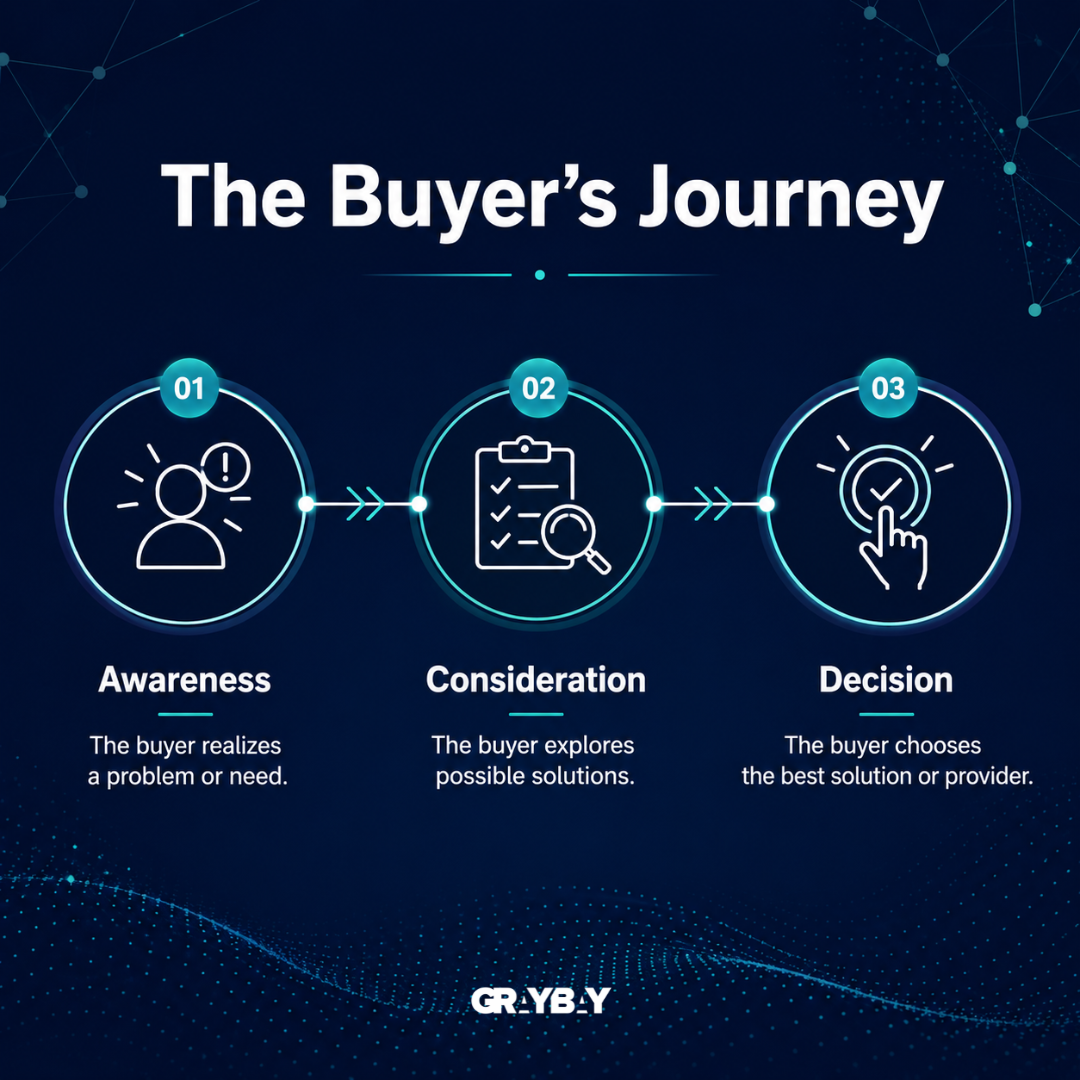
Once your keyword list is ready, the next step is organizing content based on how people think before they buy. This is where structure starts to matter more than ideas. Every piece of content should match a specific stage of decision-making, so users are not confused about what to do next.
A strong content marketing strategy depends on this mapping because it turns scattered content into a guided flow that moves people forward naturally.
Awareness stage content
At this stage, users are problem aware but solution unaware. Content should focus on explaining concepts and answering broad questions. Blog posts, guides, and educational articles work best here. The goal is to attract organic traffic and build initial trust.
Consideration stage content
Here, users are comparing solutions. Content should become more specific and structured. Comparison articles, detailed guides, and feature breakdowns help users evaluate options. Internal linking becomes important at this stage to guide users deeper into your website.
Decision stage content
At this point, users are ready to take action. Content should focus on trust signals like case studies, testimonials, service pages, and product-focused landing pages. Clear calls to action and conversion paths should be included in every piece.
When mapped correctly, each stage supports the next one, creating a clear path instead of isolated content pieces.
Step 5: Build a Content Marketing Plan and Calendar
After mapping the buyer journey, the next step is turning strategy into execution. This is where planning becomes structured and measurable instead of random posting.
A content strategy only works when there is consistency, and that comes from a proper content plan and calendar.
Start by organizing your topics into clusters. Each cluster should focus on one main theme with supporting articles linked together. This improves both SEO structure and user navigation.
Next, assign publishing frequency. Instead of publishing without structure, define how many pieces you will create per week or month based on your capacity. Consistency matters more than volume.
Then, build a content calendar that includes:
Topic title based on keyword research
Target keyword and search intent
Content type (blog, guide, landing page, etc.)
Funnel stage (awareness, consideration, decision)
Internal links to related content
Publishing date and update schedule
This turns your process into a system instead of a guessing game.
A structured calendar also helps you track performance later because every piece has a clear purpose, target, and placement within your overall content ecosystem.
Step 6: Create High-Quality, SEO-Focused Content
Once your plan and calendar are ready, the next stage is execution. A strong content marketing process depends on how well you convert keyword research and audience insights into content that is optimized, readable, and aligned with user intent.
How to do this?
Start by understanding search intent before writing anything. Every piece of content should target one clear purpose instead of trying to cover too many ideas at once. Informational intent focuses on learning, commercial intent focuses on comparison and evaluation, and transactional intent focuses on action and conversion.
Next, build a clear and logical structure. Content should feel easy to scan and follow, both for readers and search engines. Use one clear heading structure, break ideas into sections, and keep paragraphs short so users can quickly find what they need. Smooth transitions between sections also improve readability and engagement.
Keyword usage should stay natural and context-driven. Place important terms in your title, introduction, and key sections, but avoid repeating them excessively. Instead, focus on variations and related phrases that match the topic naturally.
Internal linking is another important part of this step. Connect your articles in a way that guides users through your website instead of leaving them on isolated pages. This helps improve session time, reduces bounce rate, and strengthens overall site structure.
Finally, every section of your content should add value. It should answer a question, explain a concept, or guide the reader toward a better understanding. If a section does not serve a clear purpose, it weakens the overall content quality.
Read more: What Is Long Form Content? Tips on How to Make It Rank in SEO
Step 7: Add Clear CTAs and Conversion Paths
A strong content strategy for brands ensures that every piece of content is designed not only to inform but also to guide users toward the next step in their journey. It connects awareness, consideration, and decision stages in a smooth flow.
To begin, place calls to action in strategic locations throughout your content. These should feel natural and relevant to what the reader is already engaging with. Instead of pushing aggressively, guide users based on context. For example, someone reading an informational blog can be directed toward a related guide, while a user closer to decision-making can be guided toward a service page or inquiry form.
It is also important to align CTAs with user intent. Readers at the awareness stage need educational resources, while those in the consideration stage need comparisons, case studies, or deeper insights. At the decision stage, CTAs should focus on direct actions like signing up, booking a consultation, or making a purchase.
Step 8: Distribute and Promote Your Content Across Channels
A strong content strategy always includes promotion as a core part of the process, not something you do after everything else. The goal is to push your content where your audience already spends time and encourage engagement from multiple touchpoints.
Choose the right distribution channels
Start by identifying where your audience is most active. This ensures your content is not wasted on the wrong platforms.
Social media platforms help you quickly increase reach through posts, discussions, and short insights. Email marketing allows you to directly reach an audience that already trusts your brand. Communities and forums help you build authority by contributing value in ongoing conversations.
Repurpose content for better reach
One piece of content should never stay in one format. Repurposing helps you multiply visibility without starting from scratch.
A blog can be turned into social posts, short video scripts, or visual summaries. Key insights can also be extracted and shared as bite-sized content across different platforms.
Maintain consistent promotion
Distribution is not a one-time activity. Content needs repeated visibility to perform well.
Instead of sharing once and moving on, keep resharing content in different formats over time. This helps it stay active and continue attracting new audiences.
When distribution is done properly, your content becomes an active asset working across multiple platforms instead of just sitting on your website.
Step 9: Measure Performance and Optimize Continuously
Once your content is live, you need to track how it performs so you can improve it over time.
Remember, a strong content marketing strategy depends on regular monitoring of traffic, keyword rankings, engagement rate, and conversions using tools like Google Analytics and Google Search Console.
Check which pages are getting clicks and which are losing users early through bounce rate and scroll depth. Compare high-performing pages with weak ones to understand gaps in intent, structure, or keywords.
Then update old content by improving headings, adding internal links, refreshing data, and optimizing metadata. Continuous small improvements keep the content relevant and ranking.
Quick Overview
Here is a simple way to understand a content marketing strategy. It is a step-by-step system that takes you from planning your ideas to publishing, promoting, and improving content over time.
| Stage | What Happens | Why It Matters | Key Output |
|---|---|---|---|
| Audience & Goals | You identify who you are targeting and what you want to achieve | Keeps your strategy focused and intentional | Clear audience profile and objectives |
| Research & Planning | You research keywords, topics, and competitor content | Helps you create content people are actually searching for | Topic list and keyword map |
| Content Creation | You write and structure content based on research | Turns ideas into valuable, usable content | Blogs, guides, landing pages |
| Optimization | You refine content for SEO, readability, and intent | Improves visibility and ranking on search engines | SEO-optimized content |
| Publishing | You upload and schedule content consistently | Ensures regular presence online | Live content calendar |
| Distribution | You share content across platforms like social media and email | Increases reach and traffic | Multi-channel visibility |
| Performance Tracking | You measure traffic, engagement, and conversions | Shows what is working and what needs improvement | Analytics reports |
| Optimization Loop | You update and improve existing content regularly | Keeps content fresh and competitive | Updated, high-performing content |
Final Words
Building a structured system takes time, but once your content marketing strategy is in place, everything becomes more focused and results-driven. Instead of guessing what works, you start following a clear process that consistently brings traffic, engagement, and conversions.
Your content should do more than fill a calendar—it should drive real business results. At Gray Bay Marketing, our AI SEO services, Google Local Service Ads Management, and Facebook marketing services work together to increase visibility, connect you with the right audience, and turn more prospects into loyal customers. Let's build a strategy that grows with your business.
Reach out today and let’s create content that moves your business forward.
FAQs
How do you build a content marketing strategy from scratch?
Building a content marketing strategy from scratch starts with defining clear business goals and understanding your target audience. From there, businesses conduct keyword research, plan content topics, create a publishing schedule, and distribute content through the right channels. Regular tracking and optimization help improve long-term performance and lead generation.
What is a content marketing strategy, and why is it important?
It is a structured approach to planning, creating, publishing, and managing content with clear goals. It helps businesses attract the right audience, build trust, and generate consistent leads instead of random traffic.
How does a content marketing process actually work?
A content marketing process works by moving through clear stages like research, planning, creation, publishing, distribution, and optimization. Each stage builds on the previous one to ensure content is purposeful, targeted, and performance-driven.
How long does it take to see results from content marketing?
Results usually take a few months, depending on competition, consistency, and content quality. SEO-focused content often starts gaining traction within 3 to 6 months when properly optimized and regularly updated.
What makes a content strategy effective for businesses?
An effective strategy is based on audience research, strong keyword planning, consistent publishing, and continuous performance tracking. It ensures every piece of content supports a clear business goal.
How often should a content marketing plan be updated?
A content marketing plan should be reviewed regularly, usually every few months, to adjust based on performance data, market changes, and audience behavior.