
How to Do Email Marketing: Campaign Basics and Best Practices

Email marketing can feel overwhelming, especially if you’re just getting started. Maybe you’ve tried sending emails before, but your open rates were low, your subscribers didn’t engage, or you didn’t see any real return on your effort.
The truth is, many businesses make the same mistakes: sending random messages without a plan, ignoring segmentation, or failing to provide value before asking for a sale. Don’t worry, because in this guide, we’ll show you how to do email marketing the right way.
From planning campaigns to crafting content, automating workflows, and measuring results, so you can finally turn your email list into a predictable growth engine.
Let’s jump in.
What is Email Marketing Campaign?
So, what is an email marketing campaign?
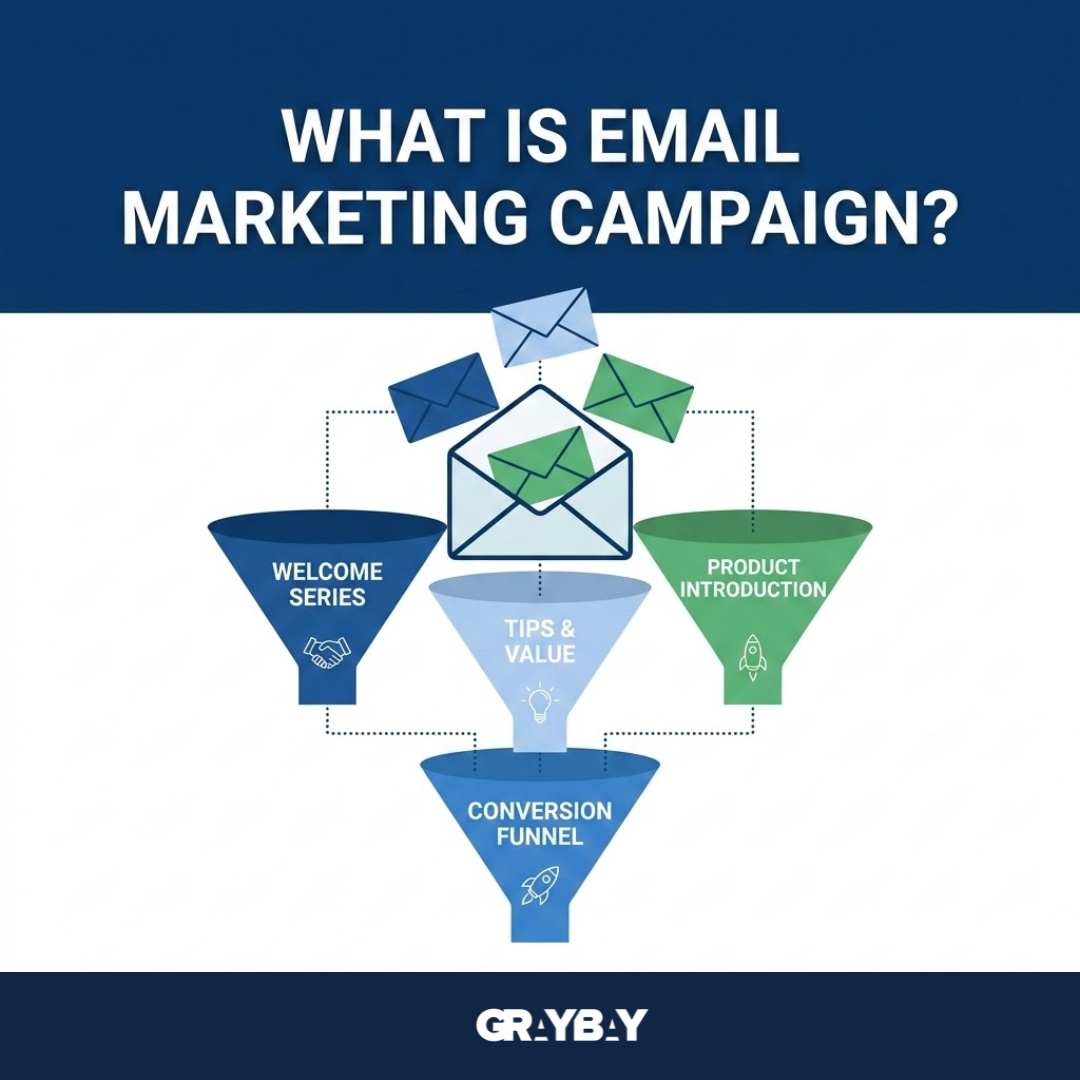
It’s about sending the right message to the right person at the right time. Instead of blasting everyone with the same message, you break your audience into segments. Then you follow up with content that matches their interests.
For example, if someone signs up for a free guide, you can send a welcome email first. Then you follow up with tips. After that, you may introduce a product. Each email builds on the previous one.
That’s how you move people down the funnel.
Why Email Marketing Matters
How to do email marketing starts with understanding its importance.
According to HubSpot, email marketing generates an average ROI of $36 for every $1 spent. Isn’t that powerful? The reason for this huge success rate is that email allows you to connect directly with your audience in a way no other channel can. Unlike social media, where algorithms control visibility, emails land straight in your subscribers’ inboxes.
This direct access means your messages are more likely to be seen, read, and acted upon. Moreover, email marketing helps you build relationships over time by delivering value, tips, and personalized content that keeps your audience engaged.
Here are a few reasons why email marketing is so important:
High ROI: Every dollar invested can generate significant returns.
Direct communication: Reach your audience without relying on external platforms.
Segmentation & personalization: Send tailored messages to specific groups, increasing engagement.
Measurable results: Track open rates, clicks, and conversions to improve campaigns.
By learning how to do email marketing the right way, you can harness its profitability, grow your subscriber base, and create campaigns that consistently drive results.
Explore our guide on “Digital Marketing Strategy: How to Succeed in Today’s Landscape” to learn how email fits into your overall marketing plan and drives results across multiple channels.
How Many Types of Email Marketing Campaigns are There?
There are several types of email marketing campaigns, and each serves a unique purpose. When you mix them strategically, you create a strong email ecosystem.
Here are the main ones:
Types of Email Marketing Campaigns
Welcome Emails – Introduce your brand by sending a first email to new subscribers to greet them and build an initial connection. Examples include messages like “Welcome to our newsletter!” or “Thanks for joining!”
Educational Emails – Build trust by sharing helpful tips, guides, or resources without direct selling. Examples include “5 Tips for Better Email Marketing” or “How to Use Our Tool Effectively.”
Promotional Emails – Drive sales by highlighting products, services, or special offers. Examples include “50% Off This Week Only!” or “New Product Launch Announcement.”
Re-engagement Emails – Target inactive users to bring them back and restore interest. Examples include “We Miss You!” or “Here’s 10% Off to Come Back.”
Transactional Emails – Confirm user actions such as purchases, sign-ups, or password resets. Examples include “Your Order Confirmation” or “Password Reset Instructions.”
No matter which type of campaign you decide to run, it’s important to follow a strategic plan for your journey on “How To Do Email Marketing”.
This is exactly what we are going to discuss next. In the section below, we’ll walk you step by step through how to create an effective email campaign that drives results.
How to Create an Email Campaign (Step-by-Step Beginner Guide)
If you’re serious about growing your business, learning how to create an email campaign correctly can completely transform your results. Here are the steps to launch a high-performing email campaign with confidence:
Step 1: Define One Clear Goal
The first step in “how to do email marketing” is setting clear goals. Ask yourself: what do I want this campaign to achieve? Are you aiming for more sales, webinar signups, free trial activations, or re-engaging inactive subscribers? Choosing a single goal is crucial because trying to do too much will confuse your audience and dilute your message.
Some examples of clear goals:
Sales campaign: Goal → Generate purchases from a specific product or offer
Nurture campaign: Goal → Build trust and educate new subscribers
Launch campaign: Goal → Drive signups for a webinar, event, or new product
Write your goal in one simple sentence. This acts as a guiding light for your subject line, content, and CTA. A clear goal ensures every element of your campaign works together to achieve measurable results.
Step 2: Understand Your Audience Segment
Once your goal is defined for how to do email marketing, identify who should receive your email. Not all subscribers are the same, and sending the same message to everyone reduces engagement. Segmentation allows you to deliver the right message to the right person at the right time.
Segment your list based on:
New subscribers
Past buyers
Inactive users
Interests or preferences
Purchase or browsing history
Here is an example of this step on how to do email marketing: A fitness brand might send a welcome guide to new subscribers, exclusive discounts to past buyers, and a “We Miss You” offer to inactive users. This way, each message is relevant and personalized.
Step 3: Craft a Strong Subject Line
Your subject line is your first impression. It determines whether your email gets opened or ignored. Keep it short, clear, and curiosity-driven. A strong subject line encourages readers to take the next step and engage with your content.
Best practices:
Keep it under 50 characters
Focus on a clear benefit
Avoid spammy words like “Free” or “Buy Now.”
Use personalization when possible (e.g., first name or location)
Test multiple variations with A/B testing to see which performs best. Even small changes can significantly improve open rates and help you throughout your journey on how to do email marketing.
Step 4: Structure the Email Body Clearly
Once the email is opened, the content must guide readers logically toward one action. A clear structure keeps your audience engaged and improves conversions.
A simple structure includes:
Hook (First 2–3 lines): Address a pain point or curiosity
Value Section: Offer helpful content, a tip, or a solution
Proof: Include a testimonial, statistic, or case study
Call-to-Action (CTA): Direct readers to take one specific action
Use short paragraphs, bullet points, and linking words like “therefore,” “however,” and “for example” to maintain smooth flow. Avoid overloading the reader with too much information at once.
Step 5: Add One Clear Call-to-Action
A single, clear CTA guides readers toward the desired outcome. Too many options can confuse them and lower engagement.
CTA examples:
“Download the Guide”
“Start Free Trial”
“Book Your Call”
“Shop Now”
Place the CTA strategically — once in the middle of the email and again at the end. Make it visually distinct with a button or bold link.
Step 6: Design for Mobile First
Most emails today are opened on mobile devices, so a mobile-friendly design is essential. A poorly formatted email can ruin engagement, even if your copy is strong.
Tips for mobile optimization:
Keep paragraphs short (2–3 lines max)
Use large, clickable buttons
Avoid heavy images or complex layouts
Stick to simple fonts and clear formatting
Always send a test email to yourself and view it on a mobile device before sending it to your full list. This is an important step in how to do email marketing.
Step 7: Set the Timing and Schedule
When you send an email affects how well it performs. For beginners, it’s best to start with standard sending times and adjust based on when your subscribers engage the most.
However, every audience behaves differently. Monitor open rates and clicks to find your ideal schedule over time. Sending at the right time ensures your email is seen and acted upon.
Step 8: Test Before Sending
Testing prevents mistakes and ensures a professional impression. So, when learning about how to do email marketing, make sure to create a checklist for:
Broken links
Spelling or grammar errors
Personalization tags
CTA functionality
Correct audience segmentation
Send test emails to yourself and a colleague to confirm everything looks good and works as intended.
Step 9: Track Key Metrics
After sending, track performance to see what worked and what needs improvement:
Open rate: Measures subject line effectiveness
Click-through rate: Measures content engagement
Conversion rate: Tracks achievement of campaign goals
Unsubscribe rate: Indicates the relevance of your message
If metrics fall short, adjust subject lines, messaging, CTA, or timing for better results.
Step 10: Optimize and Repeat
Email marketing is an ongoing process, and small adjustments over time can lead to major improvements. Here is how you can do it:
Shorten emails if readers drop off early
Test different CTA placements
Adjust sending times based on engagement
Experiment with storytelling versus direct copy
By following this step-by-step guide on how to do email marketing, you can easily create email campaigns that engage your audience, drive action, and produce measurable results.
Bonus Tips: How to Get the Most Out of Your Email Marketing Campaigns?
Email marketing works best when you follow proven methods. Here are the principles that make campaigns successful:
Build Authority via Educational Email
Want to know the secret for long-term results on how to do email marketing?
Well, start with educational content.
Many businesses rush to sell, but strong brands slow down and teach first. Education warms up new subscribers and helps them trust you before you ever make an offer. This matters because trust drives buying decisions. In addition, email platforms reward engagement.
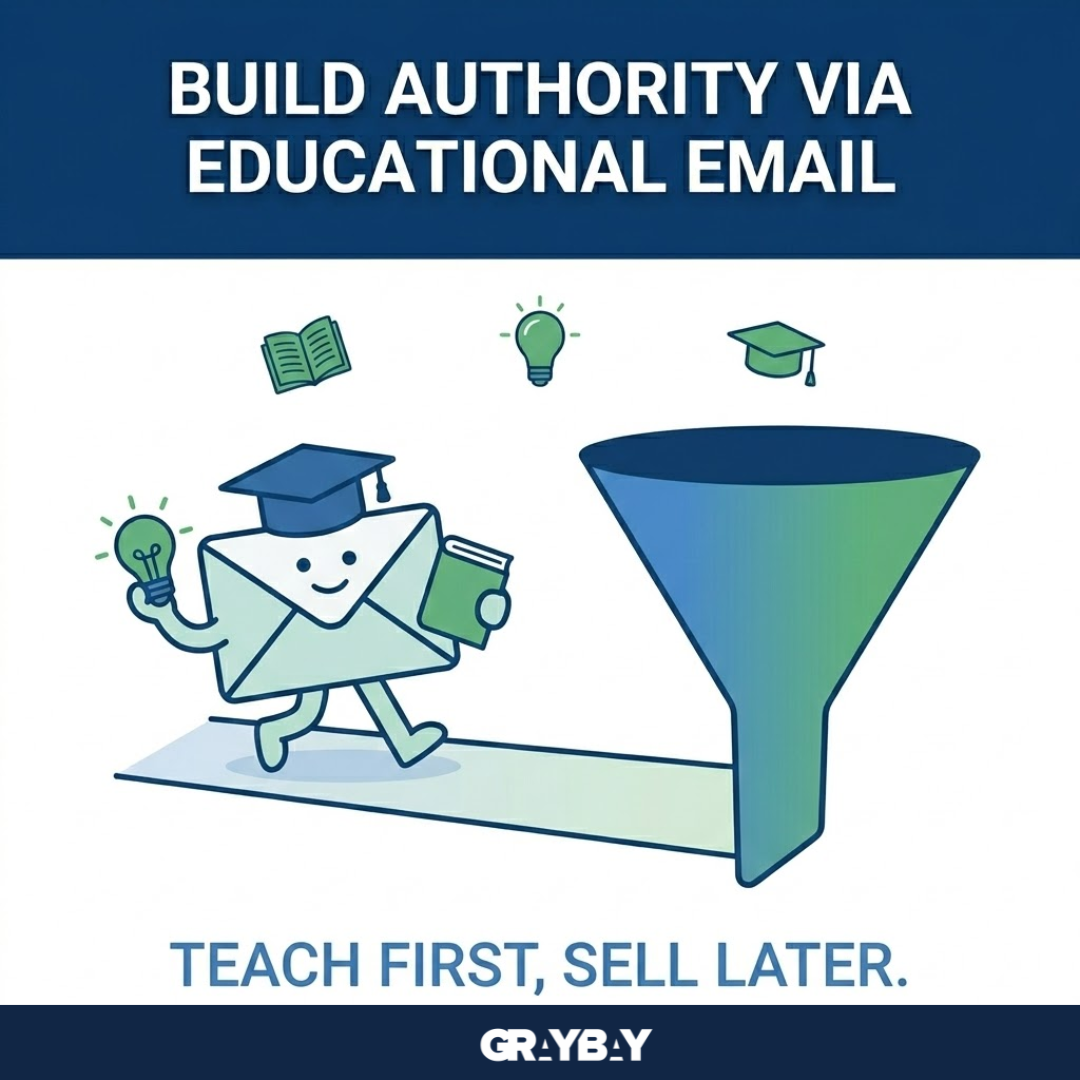
So when readers open, click, and reply, your future emails are more likely to land in the inbox instead of spam. Here’s how to get started immediately:
First, collect real questions from customers. Look at support emails, reviews, FAQs, and even social media comments.
Next, group similar questions together into themes.
Then create a simple monthly content plan
Keep each email focused on one lesson. End with a soft call-to-action like “Reply with your biggest challenge.” Over time, consistency builds authority and makes subscribers look forward to your emails.
Read our guide on “Profitable Keywords: How to Research the Best for Your Niche” to understand what your audience is searching for and how to tailor your emails to meet their needs.
2. Prioritize Smart Automation Systems
Manual emailing wastes time and leads to inconsistency. Instead, automation turns effort into a repeatable system. Among the types of email marketing campaigns, automated sequences are essential because they respond instantly to behavior.
This is important for two reasons. First, timing improves conversions. Second, automation removes mistakes. If someone signs up at midnight, they still receive your welcome email instantly.
To build automation from scratch:
Choose a platform like ActiveCampaign or HubSpot.
Define triggers such as signup, purchase, or cart abandonment.
Create three core workflows: Email 1 (Introduce your brand), Email 2: Provide value after 2 days, and Email 3: Offer a soft promotion after 4 days.
Once live, review open and click rates weekly. Adjust timing or messaging as needed. Gradually, your email system works in the background while you focus on growth.
3. Move From Inbox to Conversion Page
Emails should create curiosity, not overload readers. Therefore, directing subscribers to a detailed sales page keeps communication clear. This approach works especially well for complex services like “Advertisement services.”
When readers land on a focused page with proof, testimonials, and FAQs, they feel more confident. To execute this properly, follow a simple structure:
Inside the Email:
Start with one clear pain point
Present one strong benefit
Add a short testimonial
Include one bold button (e.g., “See Full Details”)
On the Sales Page:
Use a headline that matches the email promise
Clearly explain benefits and outcomes
Include case studies
Show pricing breakdown
Answer common questions
Make sure tone and messaging stay consistent. Because everything flows logically, readers move smoothly from interest to decision.
4. Bring Back Silent Subscribers Before Removing Them
Over time, some subscribers stop engaging. Instead of ignoring them, run a re-engagement process. Within the types of email marketing campaigns, this step protects your list's health.
Email providers measure engagement. If too many subscribers ignore your emails, future campaigns may land in spam. Therefore, cleaning and reactivating your list improves deliverability.
Follow this clear 4-step system:
Step 1: Define inactivity (no opens in 60–90 days).
Step 2: Send a reminder email with a subject line like “Still Interested?
Step 3: Offer value such as a free guide or discount.
Step 4: Remove non-responders after 2–3 attempts.
Although removing subscribers feels uncomfortable, a smaller active list performs better. As a result, open rates rise, and overall performance improves.
5. Build Your List the Right Way From Day One
You must attract subscribers intentionally. Email marketing begins at the opt-in stage. Without steady list growth, campaigns cannot scale. To start building effectively:
Create a Lead Magnet:
Free checklist
Mini-course
Webinar
Discount code
Place Signup Forms Strategically:
Exit-intent pop-ups
Blog inline forms
Checkout checkboxes
Dedicated landing pages
Follow- Up Immediately:
Send a welcome email delivering the promised resource. Then guide them into a nurture series.
Test headlines regularly. Compare “Join Our Newsletter” versus “Get Weekly Growth Tips.” Track which converts better. Because you provide clear value upfront, subscribers join willingly and stay engaged longer.
6. Let Subscribers Choose What They Receive
A preference center allows users to select interests like lifting, running, CrossFit, surfing, or soccer. Instead of sending generic emails, you tailor content based on these choices.
This improves relevance, and relevance increases engagement. When people receive what they care about, they stay subscribed.
To implement this:
Enable preference management in your email platform.
Create interest categories.
Tag subscribers based on selections.
Send segmented campaigns accordingly.
For example, if someone selects running, send training tips. If they select surfing, send surf-related gear or advice.
Because communication feels personalized, unsubscribe rates drop and loyalty increases.
7. Grow Revenue by Layering Offers Strategically
Short-term sales tactics rarely build sustainable growth. Mastering how to do email marketing means thinking long-term. Customers need time to trust you, and layered offers increase lifetime value.
Follow a gradual structure:
Month 1: Educational emails only.
Month 2: Introduce a small entry-level offer.
Month 3: Present a bundled mid-tier offer.
Quarterly: Launch premium promotions with bonuses.
If metrics decline, test new subject lines or adjust call-to-action placement. Because you refine continuously, your email strategy strengthens month after month. Eventually, your list becomes a predictable and stable revenue engine.
That’s all for this blog on how to do email marketing.
Final Thoughts
Email marketing helps you connect with your audience, build trust, and grow your revenue consistently. Done the right way, it turns subscribers into loyal customers and creates a predictable path for business growth.
That’s where we step in.
Let Gray Bay Marketing turn your Amazon strategy into a revenue machine. Whether you need smarter campaigns, better visibility, or a results-driven growth plan, our team combines marketplace expertise with Paid Media Services and Google Ads Management Services to help brands attract high-intent shoppers and drive more revenue.
Ready to take your email marketing to the next level? Get in touch with us today!
FAQs
How often should I send marketing emails?
Most businesses send emails weekly or bi-weekly. However, consistency matters more than frequency. If you send valuable content regularly, subscribers stay engaged. Avoid overwhelming your list. Test different schedules and track open rates to find what works best.
What tools help automate email marketing?
Tools like Mailchimp, ActiveCampaign, and HubSpot allow you to automate workflows. You can set triggers for welcome emails, cart reminders, and follow-ups. Automation saves time while improving consistency and personalization across your campaigns.
How do I grow my email list?
You can grow your list through pop-ups, lead magnets, webinars, and checkout forms. Offer something valuable in return for an email address. Clear benefits increase signups. Always follow up with a welcome sequence to build engagement early.
Why are my email open rates low?
Low open rates usually result from weak subject lines, poor segmentation, or inactive subscribers. Clean your list regularly, test new subject lines, and personalize emails. When content feels relevant, engagement improves naturally.