

Finding the right prospects can feel like a never-ending puzzle for B2B companies. A cybersecurity firm, for example, may offer a valuable service, have a skilled sales team, and understand its ideal customers, yet still struggle to generate qualified leads consistently.
That is where choosing the right B2B lead generation channels comes into play.
The goal isn't to chase every possible platform or throw money at random campaigns. It comes down to figuring out where your buyers spend their time, what information they need before making a decision, and which channels can help you start meaningful conversations.
For many B2B companies, the strongest channel mix includes SEO and content marketing for long-term visibility, paid search for capturing active demand, LinkedIn and email for targeted engagement, and webinars, case studies, or consultations for nurturing prospects toward a decision. The right combination depends on the company’s audience, sales cycle, budget, and internal resources. You'll learn how different channels work, where they make the most sense, and how to choose the right mix for your business without wasting time or budget on approaches that miss the mark.
Why Choosing the Right B2B Lead Generation Platforms Matters
Lead generation channels are the methods businesses use to attract or contact prospects, while lead generation platforms are the tools and networks used to execute those methods. For example, paid search is a channel, while Google Ads is one of the platforms used to manage it.
Not every platform will bring the same value to your business. This is why businesses need to look beyond lead numbers and focus on where valuable opportunities are coming from. Here are some key reasons why selecting the right B2B lead generation platforms plays an important role in building a stronger lead generation strategy:
Reaching the Buyers at the Right Time
The best lead generation channels help businesses show up where potential customers are already looking for solutions. A buyer researching a software platform may search online, read case studies, attend webinars, or compare providers before reaching out to a sales team.
Choosing channels that match buyer behavior makes it easier to connect with prospects during important moments in their decision-making process. It helps businesses spend their time creating conversations with people who have a genuine interest in their services.
Improving Lead Quality and Sales Conversations
A high number of leads does not always mean a healthy sales pipeline. A business may receive hundreds of inquiries and still struggle if those contacts do not match its target audience.
The right b2b lead generation channels attract prospects who fit the company's ideal customer profile. These leads usually have a clearer need, stronger interest, and a better understanding of the solution before they enter the sales process. As a result, sales teams can spend less time sorting through poor-fit inquiries and more time building valuable relationships.
Making Better Use of Marketing Resources
Every B2B company has limited time, budget, and manpower. Investing in channels that do not reach the right audience can quickly drain resources without creating meaningful returns.
A focused approach helps businesses understand where their efforts are paying off. Tracking performance across different channels allows teams to identify what brings qualified opportunities and where adjustments need to be made.
Creating a More Predictable Growth System
Relying on random campaigns or occasional outreach can make lead generation feel unpredictable. A strong channel strategy creates a repeatable process for attracting and engaging potential customers.
When businesses understand which channels work for their audience, they can build consistent campaigns, improve messaging, and create a steadier flow of opportunities over time. This foundation makes it easier to plan future marketing efforts and support long-term growth.
Read more: B2B PPC Advertising: Build a Winning Strategy in the AI Search Era
Understanding How B2B Buyers Find and Evaluate Solutions
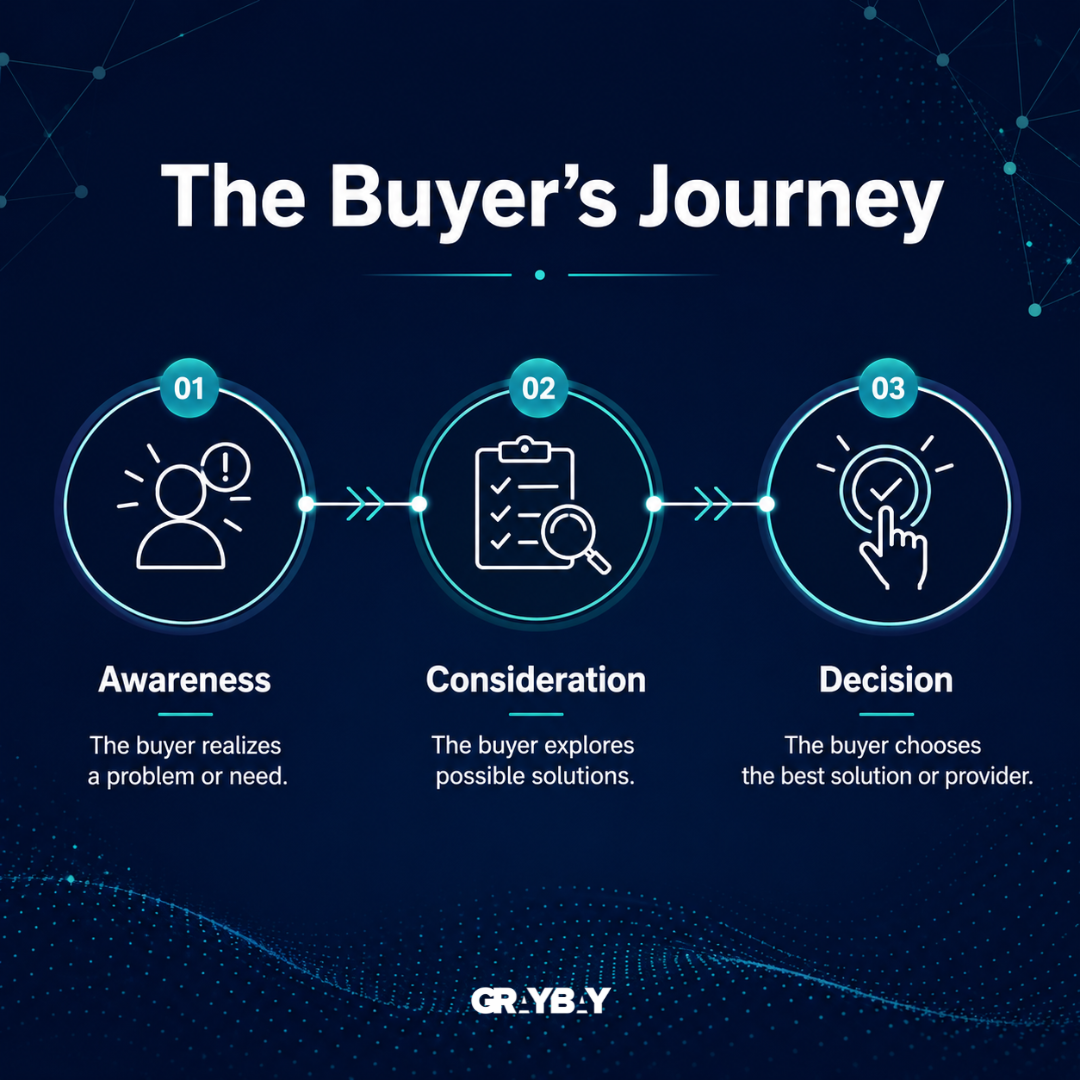
A B2B potential customer may spend weeks or even months researching options, comparing providers, and gathering information before speaking with a sales team. During this process, different b2b lead generation channels play different roles in helping businesses get noticed and build trust.
Companies that understand this journey can choose channels that support prospects at each of the following stages:
The Research Stage
The buying journey often begins with a question or a challenge. A business owner may search for ways to reduce operational costs, improve team productivity, or solve a recurring problem within the company.
At this stage, buyers usually look for helpful information instead of direct sales messages. Blog posts, industry reports, videos, and educational resources can help businesses introduce their expertise and start building awareness.
The Consideration Stage
Once buyers understand their problem, they begin exploring possible solutions. They may compare different providers, check reviews, read case studies, or look for proof that a service can deliver the results they need.
This stage is where trust becomes important. Clear service pages, case studies, customer testimonials, comparison content, and detailed educational resources can help a company stand out while buyers evaluate their options.
The Decision Stage
At the final stage, buyers are closer to contacting a sales team or requesting more information. They want confidence that they are choosing the right partner and that the investment will solve their specific needs.
B2B lead generation channels that support direct conversations, such as targeted outreach, consultations, demos, and personalized follow-ups, can help move interested prospects toward a decision.
Why B2b Acquisition Channels’ Alignment Matters Throughout the Journey
A single channel rarely supports the entire buying process. A prospect may discover a company through a search result, interact with a LinkedIn post, attend a webinar, and finally book a sales call after reading customer success stories.
Bonus Tip: The strongest B2B strategies link all three stages together. Use helpful content to attract researchers (research stage), provide detailed resources during consideration (consideration stage), and offer demos or consultations (decision stage) when prospects are ready to make a decision. When these stages work together, every interaction supports the next one.
What Are the Best B2B Marketing Channels for Each Buyer Journey Stage?
Now that you understand how buyers move through the research, consideration, and decision stages, the next step is knowing which channels can support each part of that journey. Every B2B company has a different audience, sales process, and growth goal, which means the best platforms can vary widely.
Some channels work better for attracting attention and educating potential customers, while others are more effective for nurturing relationships or creating direct sales conversations. Choosing the right mix helps businesses reach prospects with the right message at the right moment.
The table below highlights popular B2B marketing channels, what they are best suited for, and how they support different stages of the buyer journey.
| B2B Marketing Channel | Best Buyer Journey Stage | How It Supports the Stage | Best Use Cases | Example Approach |
|---|---|---|---|---|
| SEO and Content Marketing | Research Stage | Helps potential customers discover answers while researching challenges and possible solutions. | Building awareness, attracting organic traffic, and educating prospects. | A software company publishes articles explaining industry problems and practical solutions buyers are searching for. |
| Industry Reports & Whitepapers | Research Stage | Provides detailed information that helps buyers understand market trends, challenges, and available solutions. | Establishing expertise and capturing early interest. | A cybersecurity company shares a report covering common security risks businesses should prepare for. |
| LinkedIn Marketing | Research and Consideration Stage | Builds visibility, shares expertise, and connects with professionals involved in buying decisions. | Brand awareness, networking, thought leadership, and relationship building. | A B2B consultant shares industry insights and engages decision makers through meaningful discussions. |
| Google Ads & Paid Search | Research and Decision Stage | Places your business in front of buyers actively searching for solutions. | Capturing high-intent prospects and driving inquiries. | A service provider runs search campaigns targeting solution-focused business keywords. |
| Email Marketing | Consideration and Decision Stage | Keeps prospects engaged after their first interaction through valuable communication. | Lead nurturing, follow-ups, product updates, and offers. | A company sends educational email sequences with case studies, guides, and consultation invitations. |
| Case Studies & Customer Stories | Consideration Stage | Shows real customer outcomes that help buyers evaluate solutions. | Building trust and reducing purchase hesitation. | A technology company demonstrates how its platform solved a client's business challenge. |
| Webinars & Online Events | Consideration Stage | Educates prospects while answering detailed questions before purchase. | Demonstrating expertise and engaging interested leads. | A software company hosts live product demonstrations addressing common industry challenges. |
| Social Media Advertising | Research and Consideration Stage | Expands visibility by targeting professional audiences with relevant content. | Increasing visibility and promoting valuable resources. | A B2B brand promotes a downloadable guide to professionals in a specific industry. |
| Sales Outreach & Cold Email | Decision Stage | Creates direct conversations with qualified prospects ready to evaluate solutions. | Appointment setting, targeted prospecting, and account-based campaigns. | A sales team contacts ideal customer profile companies using personalized outreach. |
| Product Demos & Consultations | Decision Stage | Provides buyers with detailed information before making a purchasing decision. | Closing opportunities and addressing specific concerns. | A SaaS company offers personalized demonstrations tailored to each prospect's workflow. |
| Referral Programs | Consideration and Decision Stage | Uses recommendations from satisfied customers or partners to build trust. | Increasing credibility and attracting qualified prospects. | A company encourages existing clients to refer businesses that may benefit from its services. |
| Industry Events & Trade Shows | Research, Consideration, and Decision Stage | Creates opportunities for networking, education, and direct conversations with buyers. | Building relationships and generating high-value opportunities. | An enterprise company showcases its solutions and meets decision makers at major industry events. |
The Most Effective B2B Lead Generation Channels
SEO and Content Marketing
SEO and content marketing help businesses appear when buyers search for information, compare solutions, or investigate a problem. This channel can support long-term visibility, but it requires consistent publishing, clear search intent, strong service pages, and conversion-focused calls to action.
Paid Search
Paid search helps businesses reach prospects who are already searching for a relevant solution. It can generate visibility and inquiries faster than organic search, but campaign performance depends on keyword targeting, landing-page quality, conversion tracking, and follow-up speed.
LinkedIn Marketing
LinkedIn can support brand awareness, thought leadership, account-based marketing, paid advertising, and direct outreach. It is especially useful when a company needs to target prospects by industry, company size, job title, or professional interest.
Email Marketing and Lead Nurturing
Email helps companies remain connected with prospects after an initial interaction. Educational sequences, case studies, product information, and personalized follow-ups can nurture leads throughout a longer buying cycle.
Webinars and Educational Events
Webinars allow companies to explain complex topics, demonstrate expertise, and engage prospects who need more information before speaking with a sales team. Their effectiveness depends heavily on promotion and post-event follow-up.
Cold Outreach
Cold email, LinkedIn outreach, and sales calls can create conversations with carefully selected prospects. These methods work best when the target list is accurate, the message is personalized, and the offer addresses a specific business need.
Inbound vs Outbound Channels: Which Works Better?
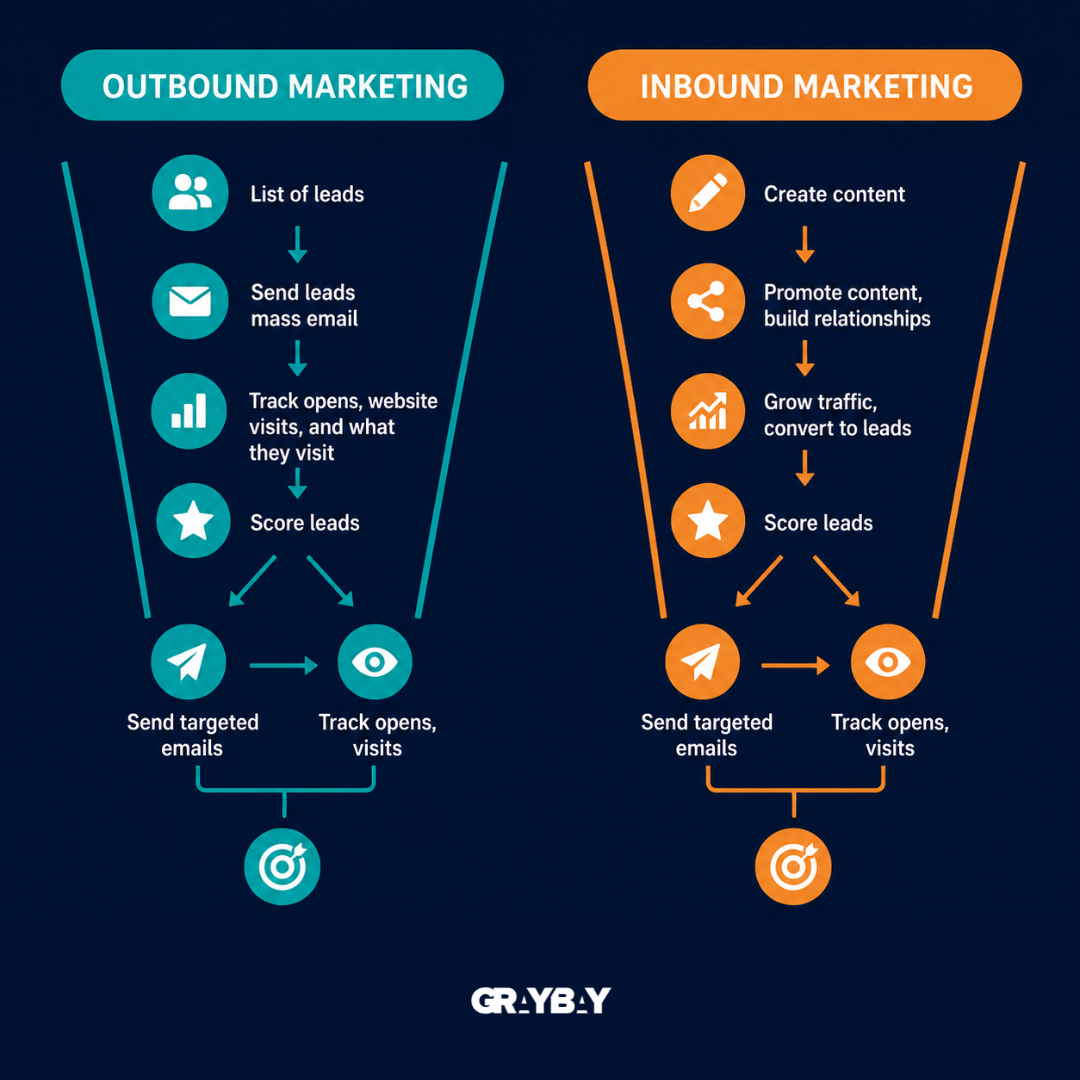
After looking at the different platforms B2B companies can use, the next question usually comes up: Should you focus on attracting leads (inbound) or reaching out to them directly (outbound)?
The answer depends on how your audience buys, how long your sales cycle is, and how quickly you need to start conversations.
Both approaches have their place in B2B marketing. Understanding how inbound and outbound channels work can help you choose the right mix instead of putting all your time and budget into one method.
What Are Inbound Channels?
Inbound b2b acquisition channels focus on bringing potential customers to your business through valuable content, helpful resources, and online visibility. The idea is simple: create something useful, make it easy to find, and allow interested buyers to engage when they are ready.
For example, a company looking for a customer relationship management solution may search for industry guides, read comparison articles, watch product videos, or download a helpful resource before contacting a provider. Inbound B2B lead generation channels help businesses become part of that research process.
What Are Outbound Channels?
Outbound channels involve actively reaching out to potential customers instead of waiting for them to discover your business. This approach allows companies to start conversations with specific audiences and introduce their solutions directly.
Cold email campaigns, sales calls, LinkedIn outreach, and targeted advertising are common examples of outbound strategies. These methods can help businesses connect with prospects who may benefit from their services but have not started searching yet.
A Quick Comparison of Inbound and Outbound B2B Channels
| Factors | Inbound Channels | Outbound Channels |
|---|---|---|
| Approach | Attracts buyers through content and online visibility. | Reaches potential customers through direct communication. |
| Speed | Usually takes time to build momentum. | Can create conversations faster. |
| Buyer Intent | Often attracts prospects already looking for solutions. | Targets prospects who may not be actively searching. |
| Relationship Building | Builds trust through education and value. | Builds connections through direct engagement. |
| Best For | Long-term growth and brand visibility. | Targeted outreach and faster prospecting. |
| Common Methods | SEO, blogs, webinars, case studies. | Cold email, sales outreach, paid campaigns. |
Combining Both Approaches
Successful B2B marketing rarely depends on one channel alone. Inbound and outbound methods work better when they support each other.
A prospect may first discover a company through a blog post, follow its LinkedIn updates, receive a personalized email, and eventually schedule a sales call. Every interaction plays a role in building trust and moving the buyer closer to a decision.
The strongest approach is usually a balanced one. Businesses that combine valuable content with targeted outreach can create more opportunities, reach different types of buyers, and build a lead generation system that supports long-term growth.
Read more: On-Page SEO Checklist: 20 Steps to Rank #1 in 2026
Best B2B Digital Marketing Channels by Business Stage
Now, the final step is deciding which B2B lead generation channels are best for your business type. The table below breaks down the most suitable channel priorities for different B2B business stages.
| Business Stage | Main Marketing Goal | Recommended B2B Digital Marketing Channels | Why These Channels Work |
|---|---|---|---|
| Startups | Build brand awareness, find early customers, and test market demand. | LinkedIn, content marketing, email outreach, SEO, Google Ads. | Startups need affordable ways to reach potential buyers, test messaging, and create early conversations with their audience. |
| Small Businesses | Generate consistent leads and build a stronger online presence. | SEO, LinkedIn marketing, email marketing, Google Ads, customer referrals. | These channels help small businesses attract qualified prospects while staying within a manageable marketing budget. |
| Mid-Market Companies | Scale lead generation, improve lead quality, and support a growing sales team. | SEO, webinars, LinkedIn Ads, email campaigns, content marketing, account-based marketing. | Mid-market companies typically have the resources to combine multiple channels and create a smoother buyer journey. |
| Enterprise Organizations | Reach high-value accounts, support complex buying decisions, and build long-term relationships. | Account-based marketing, industry events, thought leadership content, webinars, LinkedIn campaigns, personalized outreach. | Enterprise buyers often involve multiple stakeholders and require trust, detailed information, and consistent communication before making purchasing decisions. |
To Sum Up
Finding the right B2B lead generation channels takes a clear understanding of your audience, goals, and sales process. A channel that works well for one company may not deliver the same results for another. The key is identifying where your potential customers spend their time, what information they need, and how they prefer to engage with businesses.
Strong lead generation usually comes from a thoughtful combination of channels. Content can help build trust, outreach can start conversations, and paid campaigns can connect businesses with high-intent prospects. When these efforts work together, they create a more consistent path from the first interaction to a sales opportunity.
The best approach is to keep testing, measuring, and refining your strategy. As your business grows, your channel priorities may change, too. Staying flexible allows you to focus on the methods that bring in the right prospects and support long-term business growth.
Turn Your B2B Lead Generation Strategy Into Real Growth
Finding the right channels is only the first step. Gray Bay Marketing helps businesses build a complete digital strategy that connects with the right audience, attracts qualified prospects, and creates opportunities for growth.
Our team combines data-driven marketing with modern strategies, including AI SEO services, Facebook Ads Agency solutions, and Google Ads Management Services to help businesses improve visibility, reach potential customers, and stay competitive in a changing digital landscape. Contact us and let Gray Bay Marketing help you build a stronger path from online visibility to meaningful leads.
FAQs
What is the best way to generate B2B leads?
The best approach depends on your target audience, industry, sales cycle, and business goals. Many companies use a combination of content marketing, paid campaigns, outreach, referrals, and networking to create a steady flow of potential customers.
How long does it take to see results from B2B lead generation efforts?
The timeline depends on the channels you use and your market competition. Paid campaigns and direct outreach can create conversations faster, while strategies like SEO and content marketing usually take longer to build consistent results.
Should B2B companies focus on one marketing channel or multiple channels?
Using multiple channels often creates better opportunities because buyers interact with businesses in different ways. A potential customer may discover a company through content, engage through social media, and later respond to an email or sales outreach.
Which channels are best for reaching B2B decision-makers?
Channels like LinkedIn, email outreach, industry events, webinars, and targeted advertising can help businesses connect with decision-makers. The best option depends on where your audience spends time and how they research solutions.
Are paid ads effective for B2B companies?
Yes, paid advertising can work well when campaigns target the right audience and use relevant messaging. Businesses can use paid ads to reach specific industries, job roles, locations, and customer segments.
How can a business improve the quality of its leads?
Improving lead quality starts with clearly defining your ideal customer profile. Businesses should focus on reaching the right audience, creating relevant messaging, and using channels that attract prospects with genuine interest.
What is the difference between marketing leads and sales-ready leads?
Marketing leads usually show interest by engaging with content, signing up for resources, or interacting with a brand. Sales-ready leads typically have a stronger need, clearer buying intent, and are closer to making a purchasing decision.
How do B2B companies measure the success of their lead generation strategy?
Companies can track metrics such as lead quality, conversion rates, cost per lead, sales opportunities created, and revenue generated. These measurements help businesses understand which efforts are creating the strongest results.
Can small B2B companies compete with larger businesses?
Yes. Smaller companies can compete by focusing on specific audiences, creating valuable content, building strong relationships, and choosing channels that match their resources. A focused strategy often works better than trying to reach everyone.
How often should a B2B company review its marketing channels?
Regular reviews help businesses identify what is working and where improvements are needed. Many companies evaluate performance monthly or quarterly to adjust budgets, messaging, and campaign strategies.