
Paid Media Audit Checklist: 7 Signs You’re Wasting Ad Spend

You can spend thousands on paid advertising and still wonder where the money went. Your campaigns may generate clicks, impressions, and leads, yet the resulting sales may not justify the investment. Irrelevant traffic, weak targeting, unreliable tracking, and outdated ads can quietly drain your budget.
A paid media audit checklist helps you look beyond surface-level numbers and identify where campaigns are losing money. This guide covers seven warning signs, the account areas you should inspect, and practical steps for correcting problems before they become more expensive.
Quick answer: Common paid media audit red flags include high spending with few conversions, irrelevant traffic, unreliable tracking, rising acquisition costs, weak landing pages, ad fatigue, and leads that rarely become customers. Start by confirming that your conversion data is accurate, then review the campaigns using the most budget without producing measurable business results.
What Is a Paid Media Audit?
A paid media audit is a detailed review of your advertising accounts to see how well your campaigns are using your budget. It looks at campaign structure, targeting, keywords, ad copy, landing pages, bidding, conversion tracking, and performance data. The goal is simple: find areas that waste money and identify campaigns that deserve more attention.
An audit can also reveal tracking errors, poor audience targeting, high acquisition costs, and ads that no longer perform well. Instead of judging results by clicks alone, you look at what those clicks produce. This gives you a clearer picture of where your ad budget is going.
Read more: SEO vs Google Ads for B2B: What Works for Service Businesses
How to Audit Paid Search Campaigns?
Now that you know what a paid media audit is and why it matters, it’s time to look at the steps that can help you find wasted ad spend. The process starts with reviewing your campaigns, keywords, targeting, tracking, and performance data.
1. Start With the Campaign Structure
A Google Ads audit should begin with the way the account is organized. Look at how campaigns are divided across products, services, locations, or different types of search intent. A messy structure can make it difficult to see where the budget is going and which campaigns are actually performing.
Check for campaigns that target similar goals, ad groups with too many unrelated keywords, and settings that overlap. Clear separation makes performance easier to read and gives you better control when it is time to move budget around.
2. Look at the Searches Behind Your Keywords
The keywords in your account only tell part of the story. Search term data shows what people actually typed before clicking your ads. That information can reveal searches that are relevant, unrelated, too broad, or showing little buying intent.
A few irrelevant searches may not cause much harm, but repeated clicks from poor queries can quietly drain your budget. Add negative keywords where needed and look for useful search terms that could deserve their own targeting.
3. Connect Ad Performance With User Intent
High click volume can make an ad look successful at first glance, but clicks alone do not tell you if the message is bringing the right people. Look at conversion rate, CPA, conversion value, and revenue alongside clicks.
The wording of the ad also matters. A headline that attracts attention but does not match the search intent can bring traffic that was never likely to convert. Stronger ads usually give people a clear idea of what they will find after the click.
4. Follow the Click to the Landing Page
The audit should continue after the ad click. A campaign may be attracting relevant searches and still struggle because the landing page does not meet the visitor’s expectations.
Check if the page matches the ad message, loads quickly, works well on mobile devices, and makes the next step obvious. Forms, calls to action, pricing information, and other important details should be easy to find. Small points of friction can turn good traffic into wasted spend.
5. Confirm That Conversion Data Is Reliable
Good budget decisions depend on good data. Before changing campaign spending, make sure the conversions being reported are actually happening.
Test important actions such as purchases, form submissions, phone calls, and appointment requests. Look for duplicate events, missing conversions, or actions that are being counted even though they have little business value. A tracking problem can affect every decision that follows.
6. Compare What You Spend With What You Get
Once the tracking looks reliable, connect spending with actual results. A campaign that receives plenty of clicks may still contribute very little to revenue. Another campaign with fewer clicks may bring in better customers at a lower cost.
Review spend alongside conversions, qualified leads, sales, CPA, conversion value, and revenue. For lead generation, lead quality deserves special attention because a cheap lead has little value if it rarely turns into a real customer.
7. Find the Areas Taking Budget Without Enough Return
The final step is to bring the findings together. Look for campaigns, keywords, search terms, audiences, or other areas that continue using budget without producing enough business value.
Start with the biggest sources of wasted spend rather than making many changes at once. A campaign spending thousands with weak results deserves attention before a small keyword that has spent very little. This approach gives you a clearer path for cutting waste, protecting profitable campaigns, and deciding where the next part of your budget should go.
7 Red Flags That Show You’re Wasting Ad Spend
During the audit, watch for signs that your campaigns are not using the budget effectively. Common PPC audit red flags include irrelevant traffic, unreliable conversion data, rising acquisition costs, weak lead quality, and campaigns that continue spending without producing measurable business results. The following seven warning signs deserve a closer review.
1. Your Ads Get Clicks but Few Conversions
A high click count can make a campaign look healthy, but the real concern starts after the click. If visitors reach your website and leave without submitting a form, making a purchase, or booking a call, the traffic may not be turning into useful results. The issue can sit with the landing page, offer, targeting, or the intent behind the traffic.
How to fix it
Check your conversion rate alongside your click-through rate. Look at the landing page, audience targeting, search terms, and offer to find where visitors are dropping off. Make sure the page matches the ad and gives visitors a clear reason to take the next step.
2. You’re Paying for Irrelevant Traffic
Ad spend can disappear quickly when your ads reach people who have little interest in what you sell. Broad keywords, loose targeting, weak location settings, and missing negative keywords can all bring in unwanted traffic. Search term and audience data can show you where this is happening. Pay attention to clicks that generate visits but have little chance of becoming customers.
How to fix it
Review your search terms and audience reports regularly. Add negative keywords for irrelevant searches and tighten your targeting where needed. Your keyword match type also affects how closely a search needs to relate to your selected keyword.
Broad match can reach a wider range of related searches and is useful when you want to discover new opportunities, but it can also bring less relevant traffic. Phrase match gives you a middle ground by reaching searches that include the meaning of your keyword while keeping the intent more focused. Exact match offers the tightest control and is useful for important, high-intent searches where you want to stay closer to specific queries.
Use the image below as a quick reference for how these match types differ.

Location settings also deserve a check, especially for businesses that only serve specific areas. The goal is to spend more of your budget on people who have a genuine reason to buy.
3. Your Budget Is Spread Across Too Many Campaigns
A limited budget can lose its impact when it is divided between too many campaigns and ad groups. Some campaigns may receive so little spend that they never collect enough data to show a clear pattern. This can also make reporting harder. You may have several campaigns running at the same time without enough information to tell which ones deserve more investment.
How to fix it
Look at how much of your total budget goes into every campaign and what comes back from that spend. Combine campaigns where there is unnecessary overlap and give priority to areas with clear business value. A simpler account can make performance easier to understand and budget changes easier to manage.
4. You’re Spending on Ads That Have Stopped Performing
An ad that once delivered strong results can lose momentum over time. Search behavior, competitors, offers, and customer expectations can change, so old ad copy may no longer connect with the audience in the same way. Rising CPC, falling conversion rates, and increasing CPA can all point to a change in performance. The important part is looking at recent results instead of assuming past success will continue.
How to fix it
Compare recent ad results with an earlier period and look for clear changes in clicks, conversions, CPA, and conversion value. Test new headlines, descriptions, offers, or calls to action when performance starts to decline. Keep strong ads running until the new versions have enough data to make a fair comparison.
5. Your Retargeting Audience Is Too Small or Too Large
Retargeting works best when the audience still has a realistic reason to return. A very small audience can limit delivery, while a broad audience may include visitors who are no longer interested or have already completed the desired action. Audience size alone does not tell you if the campaign is healthy. Membership duration, frequency, exclusions, and conversion activity can all affect the quality of your retargeting traffic.
How to fix it
Review who is included in the audience and how long they remain eligible to see your ads. Exclude people who have already purchased or completed another important action. Check frequency as well, since repeated ads can waste spend when the audience is small.
6. You Can’t Clearly Track Where Your Sales Come From
Budget decisions become difficult when conversion data cannot be trusted. Missing conversions, duplicate events, or incorrect attribution can make a weak campaign look successful and a profitable campaign look unimportant. The problem can affect every part of your account because your budget decisions are based on the data in your reports.
How to fix it
Test your key conversion actions and check that they are being recorded correctly. Review tracking tags, conversion settings, attribution, and analytics data. Important actions such as purchases, calls, form submissions, and qualified leads should have clear tracking in place.
7. Your Campaigns Generate Leads That Never Become Customers
Lead volume can look impressive in a Google Ads report, but a large number of leads does not always mean strong business results. Some campaigns may attract people who are curious but have little intention to buy. The sales data can tell a different story. A campaign producing fewer leads may actually bring in more paying customers and higher revenue.
How to fix it
Connect your advertising data with your sales results and look beyond form submissions. Compare campaigns based on qualified leads, sales, customer acquisition cost, and revenue. Connect the advertising platform with CRM or sales data so campaigns can be compared by qualified leads, opportunities, customers, and revenue. Sales-team feedback can then explain why leads from particular keywords, audiences, or offers fail to progress. Budget can then move toward campaigns that bring customers, rather than simply generating more contacts.
Paid Media Account Performance Audit by Channel
The warning signs can look different across paid channels. A problem in Google Ads may appear as irrelevant search traffic, while Meta or LinkedIn may show weak audience engagement or poor lead quality. This paid media account performance audit table can help you identify where your budget needs the closest review.
| Paid Media Channel | Red Flags to Watch For | What It May Indicate |
|---|---|---|
| Google Ads | High CPC, irrelevant search terms, low conversion rate, rising CPA | Poor keyword targeting, weak ad relevance, or inefficient bidding |
| PPC Audit Red Flags | High spend with few conversions, irrelevant clicks, rising CPA, poor tracking | Account inefficiencies that may be wasting budget |
| Meta Ads | High frequency, falling CTR, rising CPM, low conversions | Ad fatigue, weak targeting, or ineffective creative |
| LinkedIn Ads | High CPC, expensive leads, low lead quality, low conversion rate | Narrow targeting, costly audiences, or poor audience fit |
| YouTube Ads | High views but few actions, low engagement, weak conversions | Strong reach without enough commercial intent |
| TikTok Ads | High views but low clicks, poor conversion rate, rising CPA | Creative mismatch, weak targeting, or low purchase intent |
| Microsoft Ads | Low impression volume, high CPC, few conversions | Limited search demand, keyword issues, or inefficient targeting |
| Display Ads | High impressions, low CTR, poor conversions, weak placement quality | Low-intent traffic or poor-quality placements |
| Retargeting | High frequency, declining CTR, low conversions | Audience fatigue, poor exclusions, or a narrow audience |
| Shopping Ads | High product clicks, low purchases, rising cost per conversion | Product feed issues, pricing concerns, or landing page problems |
Read more: What is the Best Way to Generate B2B Leads in 2026?
Which Paid Media Metrics Should You Check?
The right metrics can show where a campaign is working and where your budget may be going to waste. A useful audit should look beyond clicks and impressions. These metrics give you a clearer view of traffic quality, conversion performance, and the money your campaigns are producing.
| Metric | What It Tells You | What to Look For |
|---|---|---|
| CTR | How often people click after seeing your ad | Low CTR may point to weak ad copy or poor targeting |
| CPC | How much you pay for each click | Rising CPC can increase costs without improving results |
| Conversion Rate | How many visitors take the desired action | A low rate may point to landing page or targeting issues |
| CPA | How much you spend to acquire a customer or lead | A high CPA can signal inefficient campaign spending |
| ROAS | Revenue generated for every dollar spent | Low ROAS may indicate weak sales or high ad costs |
| Frequency | How often the same person sees your ad | High frequency can lead to ad fatigue |
| Lead-to-Customer Rate | How many leads eventually become customers | A low rate may point to poor lead quality |
How Often Should You Conduct a Paid Media Audit?
Audit frequency should reflect account spending, conversion volume, campaign complexity, and the speed at which the business receives sales data. Most active accounts benefit from weekly monitoring for tracking failures, unusual spending, and sudden performance changes, followed by a deeper monthly audit. Smaller or less active accounts may use quarterly reviews, although conversion tracking and budget delivery should still be monitored more frequently. Major changes also call for an audit, such as launching a new campaign, changing budgets, entering a new market, or seeing a sudden drop in conversions. Regular reviews help prevent small issues from becoming costly problems.
What to Fix First After the Audit
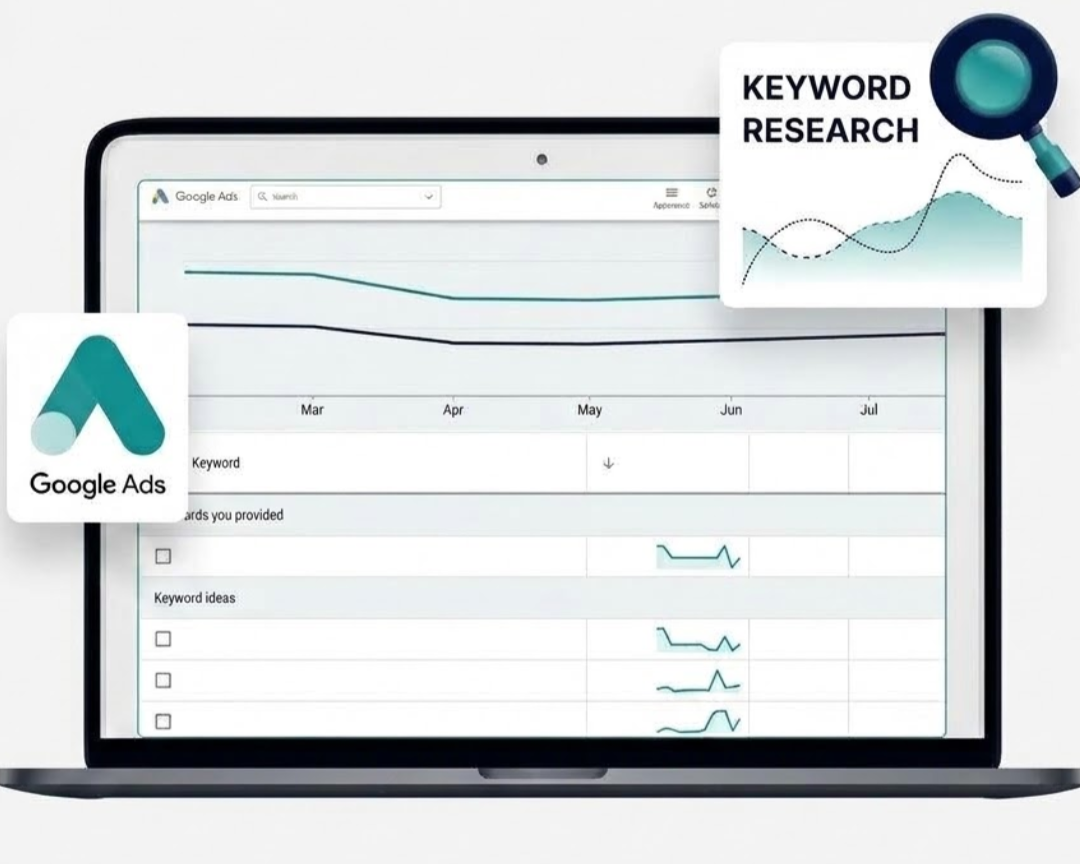
Once you have documented the problems, prioritize corrections according to their financial impact and the reliability of the underlying data. The following order helps address foundational issues before campaign optimization begins.
Correct tracking errors: Fix missing, duplicated, or incorrectly valued conversions before making budget decisions.
Block irrelevant traffic: Add negative keywords, correct location settings, review placements, and apply necessary audience exclusions.
Review high-spend campaigns: Investigate campaigns using significant budget without producing qualified leads, sales, or acceptable revenue.
Improve conversion paths: Correct mismatched landing pages, unclear offers, slow pages, long forms, and difficult checkout processes.
Consolidate unnecessary overlap: Simplify campaigns that compete for the same audience and serve the same objective.
Test ads and offers: Refresh declining creative without removing the current control before the test has gathered enough data.
Reallocate budget carefully: Move budget toward campaigns supported by reliable conversion, customer, and revenue data.
Paid Media Audit Checklist
A clear checklist keeps the audit focused and helps you avoid missing small issues that can affect campaign performance. Use this paid media audit checklist to review your account from setup to final results.
| Audit Area | What to Check | Red Flag to Watch For |
|---|---|---|
| Campaign Structure | Campaign names, ad groups, settings, and budget distribution | Duplicate or poorly organized campaigns |
| Targeting | Locations, audiences, devices, demographics, and exclusions | Traffic from irrelevant audiences or locations |
| Keywords | Relevance, match types, search volume, and negative keywords | High spend on keywords with few conversions |
| Search Terms | Actual queries that trigger your ads | Irrelevant searches using your budget |
| Ad Performance | CTR, conversion rate, CPA, and results by ad | High spend with weak conversion results |
| Landing Pages | Relevance, page speed, mobile experience, and forms | High traffic but few conversions |
| Conversion Tracking | Forms, calls, purchases, and other key actions | Missing or inaccurate conversion data |
| Budget | Spend across campaigns and channels | High spend on poor-performing campaigns |
| Bidding | Bidding strategy and campaign objective | Strategy does not match the campaign goal |
| Lead Quality | Qualified leads, sales opportunities, and customers | High lead volume with few actual customers |
| Performance Trends | Recent results compared with previous periods | Rising costs or declining conversions |
| Action Plan | Campaigns to pause, fix, test, or scale | No clear action after the audit |
To Sum Up
Clicks and impressions cannot show the complete value of a paid campaign. The paid media audit checklist helps connect spending with traffic quality, conversion accuracy, qualified leads, customers, and revenue.
Regular audits can uncover rising costs, irrelevant traffic, unreliable tracking, and poor lead quality before those problems consume more of your budget. The goal is not simply to spend less. It is to direct more of the available budget toward campaigns that produce measurable business results.
Stop Wasting Money on Underperforming Ads
Your ad budget should support campaigns that bring measurable business results. Gray Bay Marketing can review your paid campaigns, identify wasted spend, and help you make smarter decisions about targeting, budgets, and performance.
Our team can help you find issues that may be costing you conversions and build a clearer plan for managing your advertising spend. Explore our Google Ads Management Services, learn about our Facebook Ads Agency, or talk to us about your broader paid media needs.
Ready to find out where your ad budget is going? Get in touch with Gray Bay Marketing today.
FAQs: Paid Media Audit Checklist
How do I know if my ads are wasting money?
High spending with few conversions is one clear warning sign. Rising costs, irrelevant traffic, poor lead quality, and low sales can also point to wasted budget.
How often should I check my ad campaigns?
A quick review every week can help you catch major problems early. A deeper review once a month gives you enough data to spot broader performance changes.
Should I pause an ad that is performing poorly?
Not always. Check how much data the ad has collected and compare it with other ads first. A short testing period may be needed before making a final decision.
Why are my ads getting clicks but no sales?
The problem may sit beyond the ad itself. Poor targeting, an unclear offer, a weak landing page, or a difficult checkout process can turn good traffic into poor results.
How can I reduce unnecessary ad spending?
Start with the areas using the most budget without producing useful results. Remove irrelevant traffic, review targeting, improve weak landing pages, and move budget toward campaigns that perform better.
Wasting Ad Spend in Google Ads: What Are the Warning Signs?
If you are concerned about wasting ad spend, Google Ads reports can reveal several warning signs. Look for irrelevant search terms, rising CPC, high spending without valuable conversions, poor lead quality, and campaigns that continue using budget without producing sales or revenue.
What should I do if my leads are poor quality?
Check where those leads come from and look for patterns in their source, audience, search terms, and campaign. Tighter targeting and clearer messaging can help attract people with stronger buying intent.
Is a high click-through rate always a good sign?
No. A high click-through rate only shows that people are clicking. The bigger question is what happens after the click, such as leads, purchases, bookings, or other valuable actions.