
How Much Should Catering Companies Spend on Google Ads? (Budget Guide)
You check your ad accounts, and once again, that familiar tension hits—you see your spending rising, yet the bookings aren’t keeping pace. Every dollar you invest matters, so guessing how much to put toward ads can feel like walking a tightrope.
If you spend too little, your catering business misses out on potential clients; however, if you spend too much, your profits take a hit before you even see results. That’s why understanding your Google Ads cost for a small business is essential. This Google Ads cost for small business guide breaks down real numbers, budgeting strategies, and how to control your Google Ads spend for small businesses effectively.
In this guide, we’ll show you exactly how to plan a smart budget, avoid wasted spend, and turn every advertising dollar into real bookings, ultimately helping your catering business grow steadily and confidently.
WhyGoogle Ads Cost for Small Business Matters for Catering Companies
For catering businesses, having a clear Google Ads budget for small business is more than just numbers—it’s about making every marketing dollar work to attract clients who are ready to book. Without a budget, it’s easy to overspend on clicks that don’t convert or underinvest and miss out on valuable local leads.
Google Ads cost for small businesses allows you to reach targeted local customers precisely when they are searching for catering services. For instance, someone looking for “corporate lunch catering in San Francisco” or “wedding catering near me” is already expressing intent to hire. By allocating your Google Ads cost for small business effectively, you can:
Reach high-intent customers: Only pay for clicks from people actively searching for your services.
Control spending: Set daily or monthly limits to prevent overspending while maintaining visibility.
Measure results: Track clicks, leads, and bookings to see which campaigns are most profitable.
Adjust for seasonality: Increase Google Ads spend for small businesses during peak wedding or holiday seasons, and scale back during slower months.
Ultimately, a well-planned Google Ads budget for small business ensures that your campaigns aren’t just running—they’re delivering measurable results. This focused approach helps you attract more local clients, fill more events, and grow your catering business efficiently.
Read more:Email Marketing for Catering Companies: How to Build a List That Actually Converts
Catering Marketing Budget: How to Plan Google Ads Spend
A well-structured catering marketing budget helps ensure your campaigns stay profitable while scaling bookings. Your catering marketing budget should increase during peak seasons like weddings and holidays to capture more demand.
But setting a catering marketing budget for Google Ads can feel overwhelming, especially when every dollar counts. However, with a structured approach, you can plan a budget that maximizes bookings while keeping costs under control. By carefully estimating costs and aligning your spend with your goals, you can turn your ads into a predictable lead-generating tool for your business.
Here’s a step-by-step approach to determine the right Google Ads cost for small business:
Step 1: Define Your Marketing Goals
Start by clarifying what you want your Google Ads to achieve. Are you aiming for more event bookings, brand awareness, or newsletter sign-ups?
Your goal directly impacts how much you should spend. For instance, generating leads will typically require a higher Small business Google Ads cost than simply building awareness.
Step 2: Estimate Cost Per Click (CPC)
Research the average CPC for your target keywords using tools like Google Keyword Planner.
Keep in mind that highly competitive terms, such as “wedding catering San Francisco,” may cost more per click than niche keywords like “office lunch catering.”
Understanding CPC helps you forecast how much you’ll pay for potential leads.
Step 3: Estimate Conversion Rate
Track how many clicks typically turn into actual bookings. This gives you an idea of how many leads you can expect for your Google Ads cost for small business.
For example, if 100 clicks bring 5 bookings, your conversion rate is 5%.
Step 4: Calculate Minimum Ad Spend
Multiply your CPC by the estimated number of clicks needed to reach your desired number of bookings.
This step ensures your Google Ads small business budget is realistic and aligned with your goals.
Step 5: Set a Monthly or Campaign-Based Budget
Decide whether you want to allocate your budget monthly, quarterly, or per campaign.
Factor in seasonal peaks, like weddings, holidays, or corporate events, when demand is higher.
Using this approach prevents overspending while maintaining visibility during high-demand periods.
Step 6: Monitor, Adjust, and Optimize
Once your campaigns are running, continuously monitor performance.
Shift Google Ads cost for small business toward high-performing ads, pause underperforming ones, and refine your keyword targeting to reduce wasted spend.
This ongoing adjustment ensures your Google Ads cost per lead remains efficient, and your ROI improves over time.
By following these steps, your catering business can set a catering marketing budget that balances cost and performance. Not only does this prevent overspending, but it also ensures every advertising dollar drives bookings and tangible results.
Factors That Affect Google Ads Costs for Catering Companies
Planning your Google Ads cost for small businesses can feel tricky if you don’t know what drives costs. Here’s a closer look at the key factors that influence how much you’ll pay and how effectively your ads perform.
1. Target Location
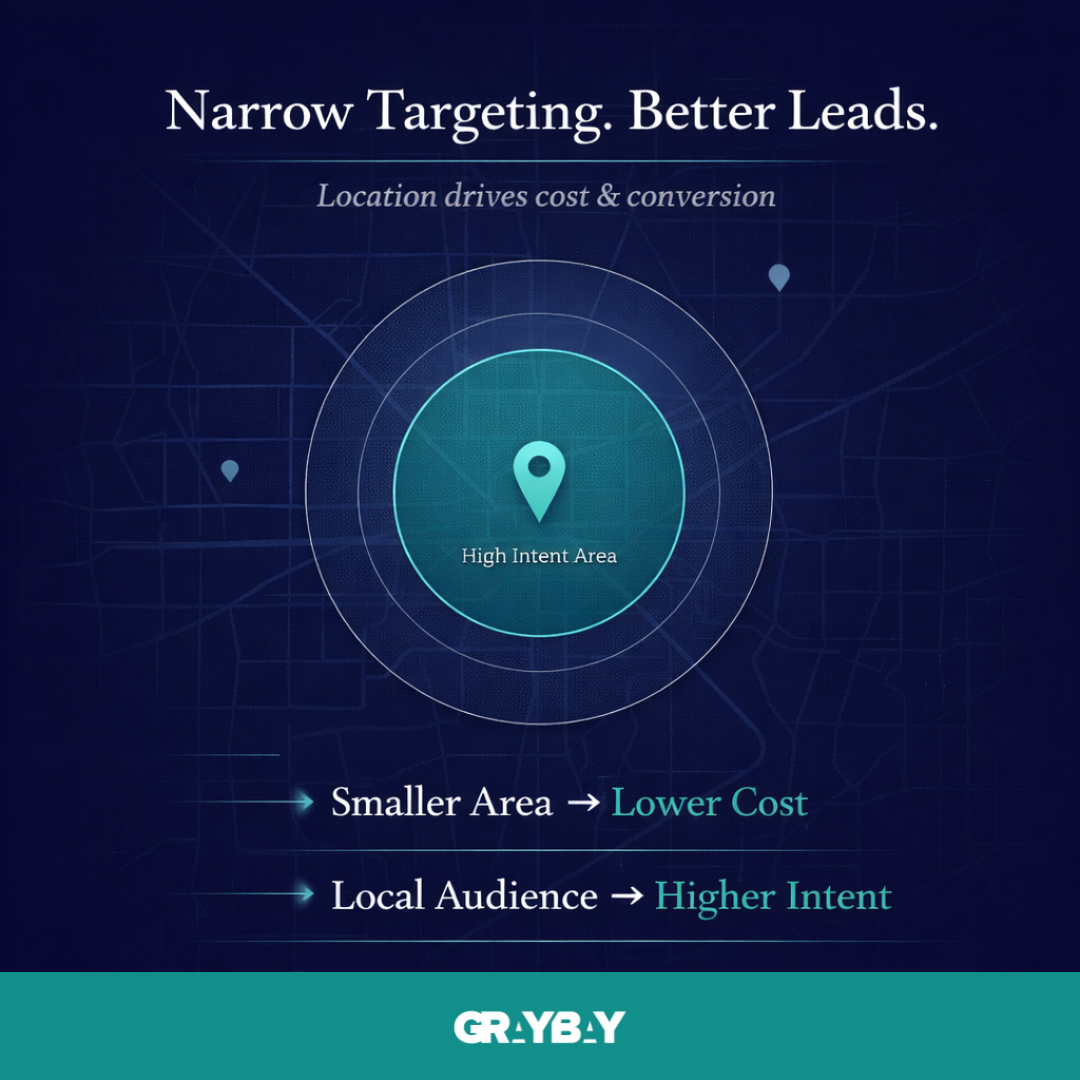
Have a look at where your ads are shown—this has a big impact on the cost of Google Ads for small businesses. Local campaigns tend to be less expensive than broad regional targeting because fewer businesses compete for clicks. Narrow geographic targeting ensures your ads reach people who are most likely to book your catering services.
Targeting specific neighborhoods or cities reduces wasted spend.
Localized ads often convert better since the audience is nearby and ready to hire.
Read more: Email Marketing Strategy: 4 Steps to Promote Your Catering Services Successfully
2. Keyword Selection and Competition
Next, consider the keywords you choose. Popular keywords such as “wedding catering” or “corporate event catering” tend to be more competitive and costly. On the other hand, niche keywords like “office lunch catering San Francisco” can be more affordable and still attract high-quality leads.
Use tools like Google Keyword Planner to research cost and search volume.
Mix high-volume terms with targeted, lower-cost keywords to optimize your strategy.
3. Ad Format
Take a look at the different ad formats Google offers, as each affects cost differently:
Search Ads: Appear directly in search results; higher intent leads but higher cost per click.
Display Ads: Shown on websites; useful for brand awareness, but often lower conversions.
Retargeting Ads: Target people who already visited your site; usually lower cost per lead and higher ROI.
4. Ad Quality and Relevance Score
Check how relevant your ads are. Google rewards ads that match search intent, include proper keywords, and lead to well-optimized landing pages. High relevance scores can lower your cost per click.
Match ad copy to what potential clients are searching for.
Make sure landing pages are clear, fast, and action-oriented to boost conversions.
5. Seasonality and Event Demand
Take seasonal trends into account. Catering demand spikes during weddings, holidays, and corporate events, which can drive up costs. Conversely, slower periods may provide cheaper clicks and leads.
Increase bids during high-demand periods to remain competitive.
Scale back in slower months to avoid wasting Google Ads cost for small business.
6. Bid Strategy and Budget Allocation
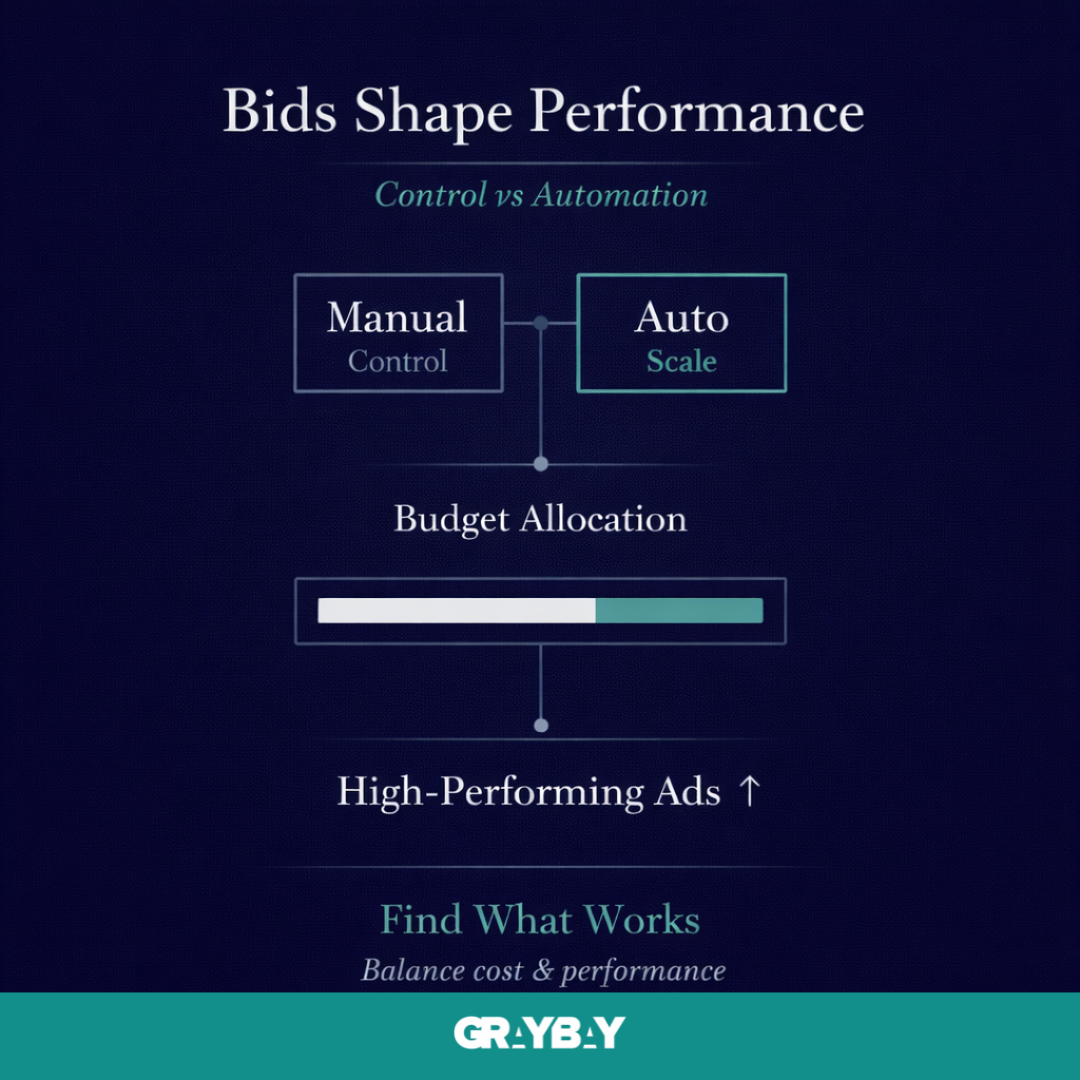
Look at how your bids are set. Manual bidding gives you precise control, while automated strategies, such as “maximize conversions,” adjust bids in real-time. Allocating your budget strategically ensures that high-performing ads get enough investment to deliver results.
Here’s the bottom line: considering these factors helps you plan a strategy that balances cost with performance. With smart targeting, the right keywords, and seasonal adjustments, your catering business can maximize bookings while keeping expenses under control.
Effective Google Ads Spending Strategy for Catering Companies
If you want to get the most from your ad spend, having an effective Google Ads spending strategy is essential. Reason being that a strong Google Ads spending strategy focuses on allocating budget toward campaigns that consistently generate bookings. With careful planning and regular optimization, you can ensure that every dollar you invest brings in bookings and not just clicks.
Here are actionable strategies to maximize ROI for your catering business:
1. Use Geo-Targeting for Local Customers
Focus your ads on specific cities, neighborhoods, or regions where your catering services operate. Local targeting ensures that your ads are shown to people who are more likely to book events, reducing wasted spend and increasing conversion rates.
2. Optimize Ad Copy for Events, Menus, and Special Offers
Highlight what makes your catering services unique. Include keywords related to weddings, corporate events, holiday menus, or seasonal promotions. Clear, compelling ad copy can capture attention and encourage users to click.
3. Test Different Campaigns and Track Performance Regularly
Don’t rely on a single campaign. Test variations in headlines, ad descriptions, and calls-to-action. Track which campaigns drive the most leads and bookings, and use these insights to refine future ads.
4. Allocate More Budget to High-Performing Keywords and Campaigns
Once you identify which keywords and campaigns deliver the best results, consider shifting more of your budget toward them. This ensures your advertising dollars are spent on the ads that actually bring in bookings.
5. Monitor Clicks and Conversions Continuously
Keep an eye on which ads generate the highest return. Adjust bids, pause low-performing campaigns, and scale up campaigns that are delivering consistent results. Regular monitoring helps maintain an efficient Google Ads spending strategy.
Implementing these strategies ensures that your Google Ads campaigns are not just running but performing efficiently, giving your catering business more leads, more bookings, and a higher return on investment.
Common Mistakes Catering Companies Make With Google Ads
Even experienced business owners can fall into common traps when managing Google Ads. Here’s a look at the mistakes that often cost time and money:
Overbidding on Competitive Keywords: Paying too much for highly competitive terms can quickly drain your budget. Instead, balance high-demand keywords with targeted niche terms that still reach potential clients.
Ignoring Negative Keywords and Irrelevant Clicks: Failing to exclude unrelated search terms can lead to wasted spend. Set negative keywords to prevent your ads from showing to users who are unlikely to convert.
Running Campaigns Without Tracking Conversions: Not tracking leads, inquiries, or bookings makes it impossible to measure ROI. Use conversion tracking to understand which campaigns are truly driving business.
Setting a Budget Too Small to Gather Meaningful Data: Extremely low budgets may not produce enough clicks or leads to analyze performance. Allocate enough budget to gather actionable insights and optimize your campaigns effectively.
By avoiding these mistakes and applying a strategic approach, catering companies can make their ad spend more effective, reach the right audience, and increase bookings without wasting money.
Conclusion
Planning and managing a Google Ads cost for small businesses doesn’t have to be confusing. By optimizing your Google Ads cost for small business, you can turn advertising into a predictable and scalable growth channel.
If you’re ready to take your advertising to the next level, Gray Bay Marketing can help. Our Digital Advertising services, i.e., Facebook marketing agency services, Google Ads campaign management services, and others, are designed to optimize your campaigns, maximize ROI, and ensure that your catering business gets noticed by the right audience at the right time. Don’t let your budget go to waste—partner with us and start turning clicks into real bookings today.
FAQs
How much should a small catering company spend on Google Ads?
A small catering business typically spends between $500–$1,500 per month. The exact amount depends on your target location, competition, and marketing goals.
Can I start Google Ads with a low budget?
Yes. You can start with a lower budget, but make sure it’s enough to gather meaningful data. Track performance and adjust spending as you see which ads drive leads and bookings.
What’s the average cost per click for catering keywords?
CPC varies depending on competition and location. Highly competitive keywords like “wedding catering” are more expensive, while niche terms such as “office lunch catering” cost less.
How can I reduce wasted spend on Google Ads?
Focus on local targeting, use negative keywords, track conversions, and allocate more budget to high-performing campaigns. Testing different ad copy also helps minimize wasted spend.
Should I manage Google Ads myself or hire a professional?
While it's possible to manage campaigns yourself, many businesses benefit from paid media consultation to develop a stronger Digital Advertising strategy, optimize campaigns, and improve ROI. Gray Bay Marketing provides support tailored to those goals.
What is Google Ads cost per lead?
The Google Ads cost per lead refers to the average amount you pay for each potential customer who takes a desired action, like submitting an inquiry, filling out a form, or booking a catering service. It helps measure the efficiency of your campaigns.
What is the typical Google Ads cost for a small business in catering?
The Google Ads cost for small businesses in catering varies based on competition, location, and targeting strategy, but most businesses spend between $500 and $1,500 monthly.