
How Catering Companies Can Reduce Cost Per Lead in Google Ads
You’ve put time, effort, and money into running ads for your catering business, yet the inquiries just aren’t coming in the way you expected. Every click feels uncertain, and every dollar spent raises the question: Am I getting real value, or am I just throwing money away?
For many small business owners, this uncertainty can be stressful, especially when budgets are tight. This is exactly why learning how to reduce your cost per lead with Google Ads is so important.
In this blog, we’ll break down how much you should realistically spend, how to plan a budget that works, and the steps you can take to ensure every advertising dollar brings in high-quality leads.
By the end, you’ll have a clear roadmap to manage your ad costs effectively, get more inquiries, and turn clicks into real bookings while you reduce your cost per lead with Google Ads.
Let’s start.
Why Lowering Google Ads Cost Per Lead Matters for Catering Marketing Budget
For many catering businesses, advertising spend is one of the largest ongoing expenses. Without careful monitoring, costs can quickly spiral while the number of actual bookings remains low. Minimizing lead costs through Google Ads is critical because it ensures that every dollar spent contributes directly to acquiring quality clients, rather than being wasted on clicks that don’t convert.
Here’s why lowering your cost per lead is so important:
Maximizes Return on Investment: Spending less for each qualified lead allows more of your budget to be used on effective campaigns, generating higher overall ROI.
Improves Campaign Efficiency: Identifying underperforming ads or keywords and reallocating funds ensures that campaigns run more efficiently.
Supports Business Growth: Lower costs per lead allow your catering business to attract more inquiries within the same budget, helping you grow faster.
Provides Data for Smarter Decisions: Tracking cost per lead highlights which campaigns, keywords, and audiences are most effective, giving clear insights for future ad planning.
By keeping your catering marketing budget optimized and focused on the most effective campaigns, it’s possible to reduce your cost per lead with Google Ads, making your advertising efforts profitable, scalable, and sustainable.
How to Reduce Your Cost Per Lead with Google Ads for Catering Businesses
By applying a proper Google Ads campaign optimization plan, catering companies can lower their cost per lead while reaching more targeted local customers.
Here is a detailed breakdown of the factors to consider when planning your budget:
1. Set Realistic Monthly Spending Limits for Google Ads
Many small catering businesses struggle to balance ad spend with expected returns. Establishing a realistic monthly budget for Google Ads helps prevent overspending while still allowing enough flexibility to test campaigns. Knowing Google Ads cost per lead optimization makes it easier to determine a range that is both sustainable and effective. For instance, setting a monthly budget between $500–$1,500 can generate sufficient clicks to gather actionable data.
Key considerations for setting limits include:
Seasonal trends, like holidays or corporate events, may affect cost per lead.
Allocating enough funds to test multiple campaigns without exhausting the budget.
Monitoring performance to ensure that spending aligns with results.

With a defined budget, campaigns can be adjusted gradually, ensuring Google Ads performancestays under control. This approach avoids hasty overspending and ensures campaigns are data-driven and efficient.
2. Consider Google Ads Cost Per Lead Optimization
Campaign objectives often differ, and a thoughtful Google Ads budget for a small business should reflect these goals. For example, campaigns targeting weddings or corporate events may require higher spend, while ads for smaller private parties may need less. Aligning your budget with objectives ensures that funds are focused on campaigns most likely to generate high-intent leads.
Points to consider include:
Matching budget allocation to campaign priority and expected ROI.
Adjusting spending for peak seasons while scaling back during slower months.
Testing new campaigns with a smaller portion of the budget before scaling.
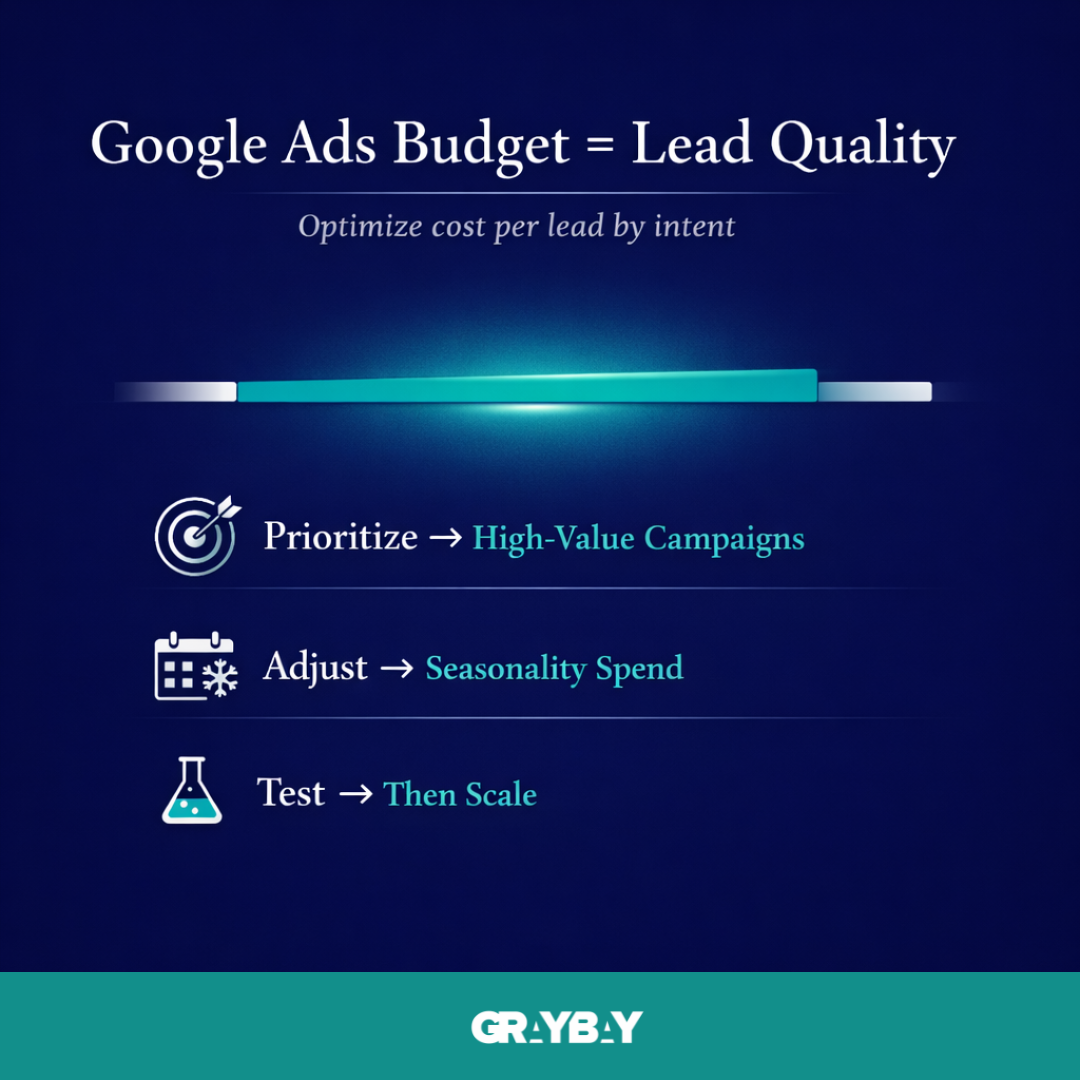
Understanding Google Ads cost per lead optimization for each campaign type ensures funds are used efficiently. This strategy reduces wasted spend, improves lead quality, and ensures every dollar contributes to bookings.
3. Focus on High-Performing Keywords
Keywords have a major impact on lead quality and campaign cost. Focusing on high-intent, targeted keywords ensures that ads reach people ready to book catering services. Long-tail keywords such as “corporate lunch catering” or “holiday party catering” often cost less per click than broad terms and generate more qualified leads.
Key strategies include:
Prioritizing keywords that consistently convert.
Using negative keywords to filter out irrelevant searches.
Monitoring performance regularly to reallocate budget to the best-performing terms.
Incorporating these keywords effectively helps reduce the cost per lead while maintaining lead quality.
4. Align Ad Copy with User Intent
A major factor in lowering your cost per leadis ensuring that ad copy matches what potential customers are actually searching for. Ads that clearly communicate your services and match search intent tend to get higher click-through rates and better Quality Scores, which can reduce overall costs.
Key points to consider:
Include specific services, such as event catering or menu options.
Highlight promotions or seasonal specials to catch attention.
Ensure that headlines and descriptions are consistent with the landing page content.
Higher ad relevance not only attracts the right audience but also reduces unnecessary spend. By improving alignment with user intent, you can reduce your Cost Per Lead with Google Ads while increasing the likelihood of conversions.
5. Use Ad Extensions to Boost Engagement
Ad extensions provide additional information and encourage users to click on your ad. Proper use of extensions can improve your ad’s visibility and click-through rate without increasing the cost of your campaigns.
Consider these extensions:
Sitelink Extensions: Direct users to specific pages like menus or booking forms.
Call Extensions: Allow immediate contact for inquiries or bookings.
Promotion Extensions: Highlight discounts or special offers to attract interest.
6. Test and Refine Ad Copy Regularly
Regular testing ensures that your campaigns continue to perform efficiently. A/B testing different headlines, descriptions, and calls-to-action helps identify which messaging resonates best with potential customers.
Best practices include:
Rotating ad variations every few weeks to gather fresh data.
Comparing results to see which ad copy generates the highest conversions.
Using insights to refine underperforming ads or expand successful ones.
Ongoing testing ensures that ad campaigns remain relevant, lowering overall spend while attracting more qualified leads.
7. Narrow Down Audience Targeting for Better Leads
Reaching the right audience is essential for lowering your cost per lead. Remember, precise targeting is essential for effective Google Ads campaign optimization. Ads shown to users who are unlikely to book catering services can waste budget and inflate the cost per lead. Defining a clear audience ensures that your campaigns reach potential clients who are most likely to convert.
Important factors to consider include:
Demographics: Age, profession, and lifestyle can indicate which users are more likely to require catering services.
Interests and Behaviors: Focus on users who actively search for event planning, party services, or corporate catering.
Past Engagement: Retargeting previous website visitors can improve lead quality while lowering spend.
8. Use Location Targeting to Maximize Relevance
Location targeting ensures that your ads reach users within the geographic areas most relevant to your business. Showing ads to regions where catering services are unlikely to be booked can increase wasted clicks and drive up cost per lead.
Key approaches include:
Radius Targeting: Focus on neighborhoods or cities where most of your clients are located.
Geotargeted Campaigns: Customize ad copy and offers for different areas to increase engagement.
Bid Adjustments: Allocate more budget to high-performing locations while reducing bids in low-converting areas.
9. Ensure Landing Pages Are Clear and Easy to Navigate
The effectiveness of your ads depends not only on clicks but also on how well your landing page converts visitors into leads. A cluttered or confusing page can waste your advertising budget. Clear messaging, simple navigation, and a strong call-to-action can dramatically improve results.
Key elements to focus on:
Simple Forms: Only request essential information to make it easy for potential clients to submit inquiries.
Readable Layout: Use headings, short paragraphs, and visual cues to guide users naturally through the page.
Strong Call-to-Action: Phrases like “Request a Quote” or “Book Your Event Today” encourage immediate action.
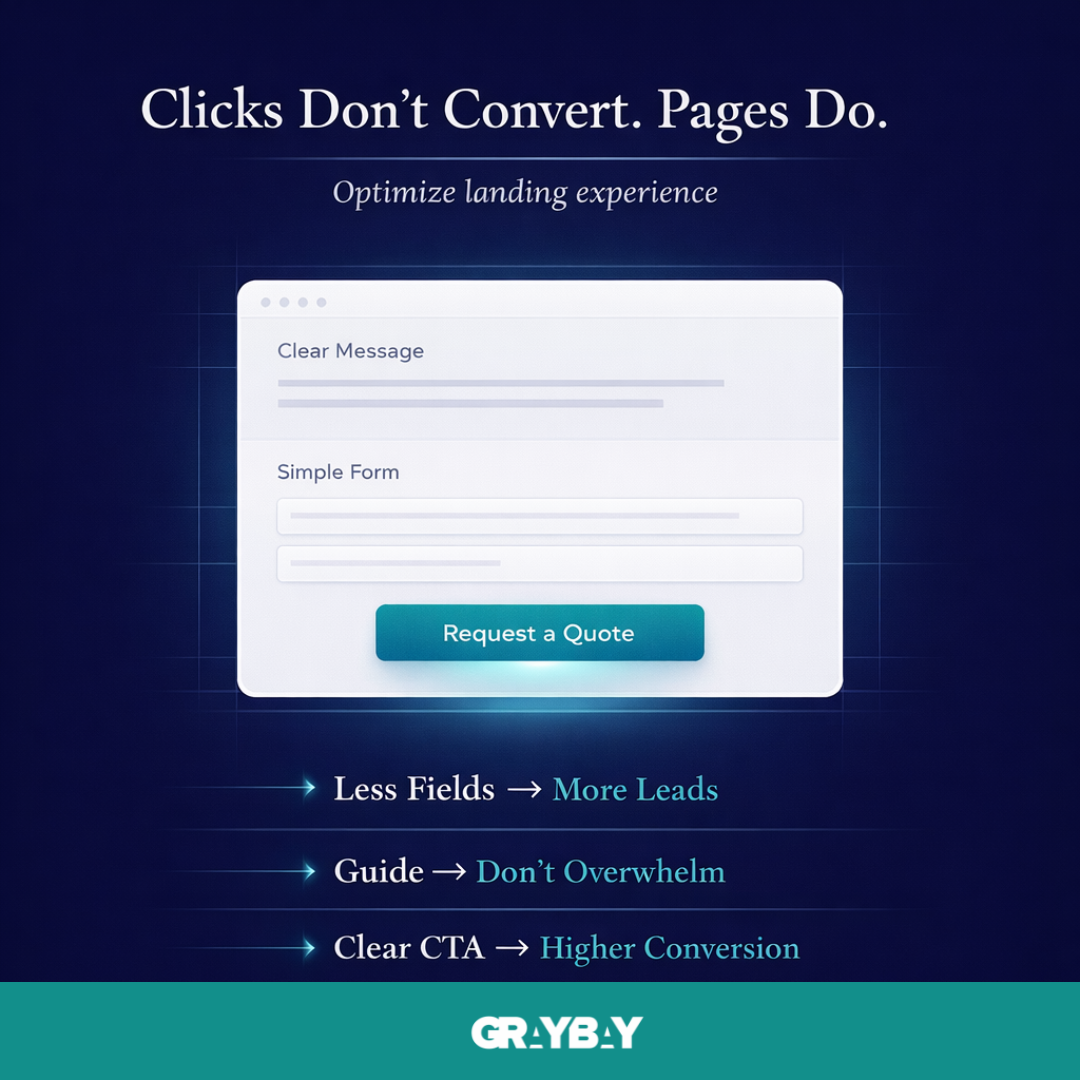
By implementing these optimizations, you reduce wasted clicks and make sure your ad spend delivers results, effectively allowing you to reduce your Cost Per Lead with Google Ads.
10. Build Trust and Credibility on Your Landing Pages
Potential clients are more likely to convert when they feel confident in your service. Including proof of credibility can make a big difference in lead quality and conversion rates.
Ways to build trust include:
Testimonials: Share experiences from satisfied clients.
Portfolio or Photos: Highlight past events and menu setups to showcase professionalism.
Certifications or Awards: Display industry recognition that reassures potential clients.
A well-optimized landing page ensures that the investment in ads leads to higher-quality leads and more bookings, without unnecessarily inflating your Google Ads campaign optimization.
11. Align Landing Pages With Ad Messaging
Consistency between ad copy and landing page content is essential. Visitors who click on an ad should immediately find the information promised. Mismatched messaging can lower engagement and increase wasted spend.
Points to consider:
Headings and offers should mirror the ad copy.
Include the same keywords subtly to reinforce relevance.
Ensure that promotions, menus, or events mentioned in the ad are prominently visible.
Read more:Promotional Emails for Catering Businesses: 5 Smart Campaign Ideas That Increase Event Bookings
12. Implement Automated Bidding Strategies
Smart bidding can make a significant difference in lowering unnecessary ad spend while maximizing conversions. Automated strategies use data from past campaigns to adjust bids in real time, ensuring your budget goes toward the most promising leads.
Important approaches include:
Target CPA (Cost Per Acquisition): Focuses on achieving leads at a set cost, helping maintain predictable ad spend.
Maximize Conversions: Automatically optimize bids for Google Ads to reduce Cost Per Lead, helping you get as many inquiries or bookings as possible within your budget.
Enhanced CPC: Adjusts manual bids based on the likelihood of conversion, balancing control with efficiency.
Using automated bidding reduces wasted clicks and ensures campaigns are consistently optimized, keeping your overall ad spend more effective and helping cut lead costs effectively with Google Ads.
13. Allocate Budget to High-Performing Campaigns
Campaigns that consistently deliver results deserve a higher share of the budget. Identifying and focusing on these top performers ensures that every dollar spent drives meaningful leads.
Key points include:
Monitor conversion rates to determine which campaigns generate the most inquiries.
Shift funds toward campaigns with higher engagement while reducing spend on underperforming ones.
Seasonal campaigns, such as wedding or holiday promotions, may require temporary increases in allocation.
Proper budget allocation maximizes ROI, improves efficiency, and ensures your advertising investment is focused on the most effective campaigns, helping you reduce your Cost Per Lead with Google Ads.
14. Pause or Adjust Underperforming Ads
Ads that fail to generate meaningful leads can drain your budget. Regular evaluation allows for adjustments that improve overall performance.
Considerations include:
Temporarily pausing ads with high click costs but low conversion rates.
Testing variations of underperforming ads before deciding to remove them entirely.
Reviewing targeting, messaging, and keywords to identify potential improvements.
Adjusting campaigns strategically helps reduce wasted spend, making your advertising more cost-effective while maintaining quality leads and supporting Google Ads campaign optimization.
15. Monitor Key Campaign Metrics
Tracking metrics is key to long-term Google Ads performance improvement. Understanding which ads generate the most leads allows you to make informed decisions about your campaigns.
Important metrics to keep an eye on include:
Conversion Rate: Measures the percentage of users who complete a desired action, such as submitting a booking request.
Click-Through Rate (CTR): Indicates how compelling your ad copy is to potential clients.
Cost Per Lead: Tracks spending efficiency and ensures your budget is being used effectively.
Regular monitoring provides insight into which campaigns perform best, helping to minimize wasted spend and optimize overall advertising efforts while enabling you to reduce your Cost Per Lead with Google Ads.
16. Conduct A/B Testing on Ads and Landing Pages
Testing different versions of your ads and landing pages helps identify what resonates most with your audience. Small adjustments can lead to significant improvements in performance.
Key approaches include:
Testing different headlines, descriptions, or calls-to-action in ads.
Comparing landing page layouts, forms, and visuals to see which converts better.
Using data-driven insights to refine underperforming ads or expand successful campaigns.
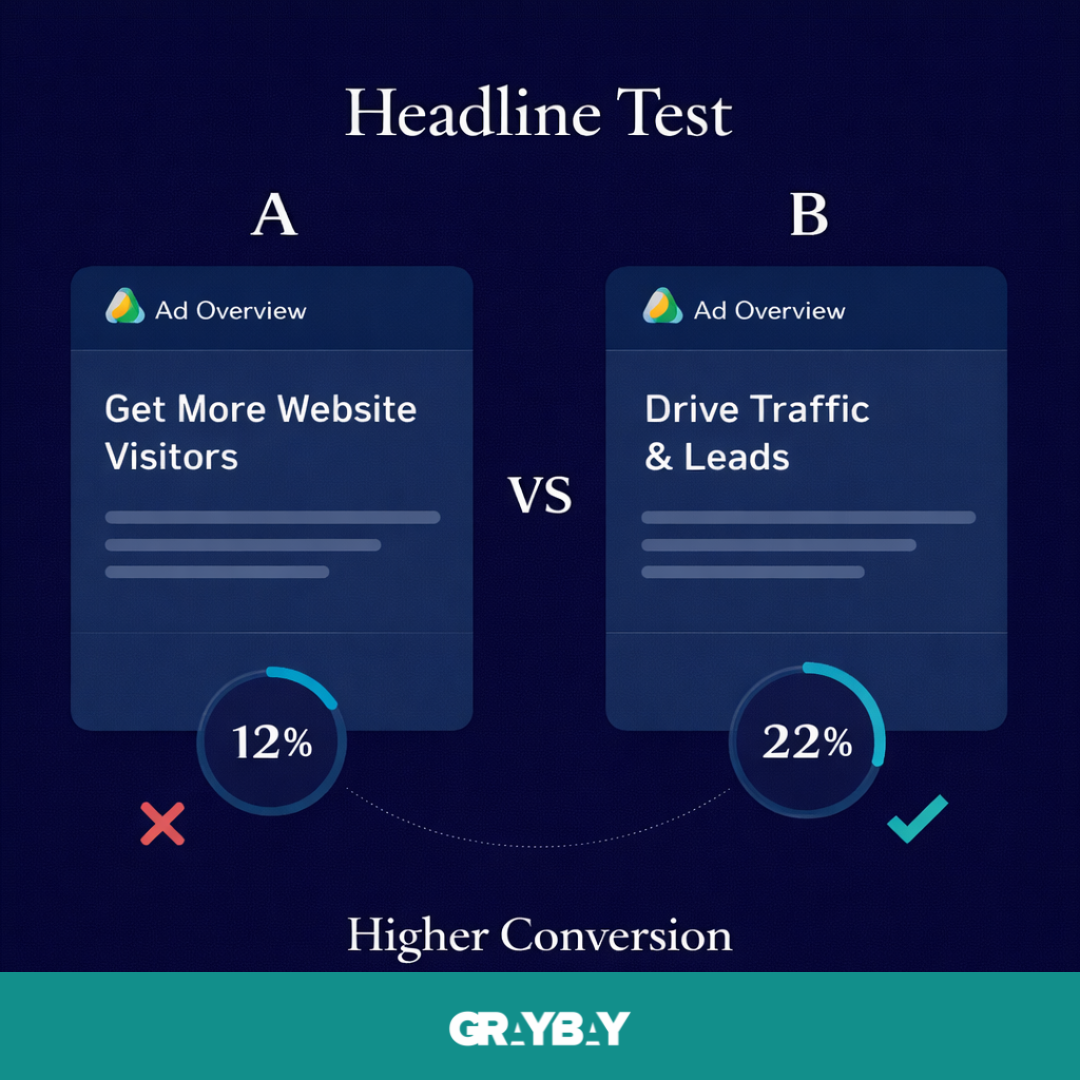
Consistent testing ensures campaigns remain efficient and leads remain high quality, helping in Google Ads performance improvement.
Read more on: Email Marketing vs Social Media for Local Service Businesses
17. Adjust Campaigns Based on Insights
Performance tracking is only valuable if insights are acted upon. Adjusting campaigns based on data helps reduce costs while improving results.
Considerations include:
Increasing budgets for high-performing campaigns to maximize results.
Pausing or tweaking campaigns that show poor performance.
Updating keywords, targeting, or ad copy to respond to trends or seasonal shifts.
By regularly reviewing and adjusting campaigns, businesses can lower unnecessary spend, improve lead quality, and get the most value from their advertising budget.
Average Cost Per Lead Benchmarks for Catering Businesses
For most catering companies, the average cost per lead from Google Ads typically ranges between $15 and $60, depending on competition, location, and service type.
- Wedding catering leads: $30–$80
- Corporate catering leads: $20–$50
- Small event catering leads: $10–$30
Understanding these benchmarks helps you evaluate whether your campaigns are efficient or need optimization.
Conclusion
With the right system, minimizing lead costs through Google Ads becomes predictable and scalable.
To reduce your Cost Per Lead with Google Ads, it’s important to manage your campaigns carefully, optimize bidding strategies, and continuously test ad performance to attract high-quality leads. By setting clear goals, monitoring performance, and adjusting strategies based on real data, your catering business can reduce wasted spend and maximize ROI.
Most catering businesses waste 30–50% of their ad spend without realizing it. If your campaigns aren’t converting, the problem isn’t budget—it’s strategy. Gray Bay Marketing helps you fix that.
Let's Build a Smarter Advertising Strategy
If you're ready to lower your cost per lead and generate more catering inquiries, Gray Bay Marketing can help. We combine Google Ads campaign management services with Facebook marketing services as part of a broader Paid Media Services strategy that helps businesses reach high-intent customers, increase brand visibility, and turn more prospects into paying clients. Reach out today to start growing with confidence.
FAQs
How much should a small catering company spend on Google Ads?
A small catering business can start with a budget between $500–$1,500 per month. The exact amount depends on campaign goals, target audience, and competition.
Can I reduce my Google Ads cost per lead without lowering ad performance?
Yes. Strategies include targeting high-intent keywords, refining audience segments, improving landing pages, and using automated bidding to optimize Google Ads cost per lead.
Should I track performance daily or weekly?
Weekly tracking is often sufficient for most campaigns. Daily monitoring can help during peak seasons or when testing new ads.
What is the role of seasonal adjustments in ad budgeting?
Seasonal trends, like weddings or holidays, influence demand. Adjusting budgets accordingly ensures you capture high-intent leads when interest is highest while avoiding wasted spend during slower periods.
Is it better to manage Google Ads myself or hire a professional?
Managing ads in-house is possible, but hiring a professional, such as Gray Bay Marketing, can save time, improve efficiency, and ensure your Digital Advertising budget delivers the best ROI.