
Best Social Media Platforms for Advertising: Which Should You Choose?
Choosing where to spend an advertising budget can get confusing quickly. Every platform promises reach, targeting, and measurable results, yet the same campaign can perform very differently from one channel to another.
The best social media platforms for advertising depend on what you sell, who you want to reach, and how customers make purchasing decisions. A local service business trying to generate calls has different needs from an ecommerce brand introducing a new product.
This guide compares Facebook, Instagram, YouTube, and TikTok, along with Google Ads as a paid-search alternative. You will learn what each platform does well, where it may fall short, and how to choose a sensible place to start.
Social Media Advertising Comparison at a Glance
This social media advertising comparison shows the role each channel is most likely to play. These are starting points rather than universal rankings; results still depend on the audience, offer, creative, location, and campaign setup.
| Advertising Platform | Best For | Audience Intent | Creative Demand | Main Challenge |
|---|---|---|---|---|
| Broad audiences and local services | Low to medium | Medium | Competition and campaign complexity | |
| Visual brands and ecommerce | Low to medium | High | Frequent creative production | |
| YouTube | Education and product demonstrations | Low to medium | High | Video production requirements |
| Google Search | People actively seeking a solution | High | Low to medium | Keyword competition and search volume |
| TikTok | Younger audiences and product discovery | Low to medium | High | Creative fatigue and variable results |
The table helps narrow the options, but it should not be treated as a platform ranking. Instagram may outperform Facebook for one retailer, while Facebook may generate better leads for a service business operating in the same city.
Why Should Businesses Use Social Media Advertising Platforms?
Organic content can build familiarity over time, but it does not always reach enough new customers on its own. Paid campaigns give businesses more control over who sees an offer, how much they spend, and what action they want people to take.
Here is why businesses use social media advertising platforms as part of a broader marketing strategy.
Reach a More Relevant Audience
Social platforms collect signals related to demographics, interests, location, content engagement, and online behavior. Advertisers can use those signals to build campaigns around people whose characteristics and activities align with the offer.
Targeting is not perfect, though. A carefully selected audience still needs a relevant message, a credible offer, and a smooth experience after the click.
Start With a Controlled Budget
Most advertising platforms allow businesses to set daily or lifetime budgets. That makes it possible to test a campaign without committing the full monthly advertising budget at once.
A small test does not eliminate risk, but it can reveal whether the message attracts attention, whether visitors engage with the landing page, and whether the campaign has a reasonable chance of producing leads or sales.
Test Different Creative Ideas
Businesses can compare images, videos, headlines, offers, calls to action, and landing pages. The results help show which messages attract attention and which ones lead to meaningful customer actions.
Creative testing matters because even strong advertisements lose effectiveness when the same audience sees them too often.
Measure Business Results
Advertising platforms report impressions, clicks, conversions, cost per acquisition, and other useful metrics. Meaningful reporting, however, requires properly configured website tracking and conversion events.
Without reliable tracking, a campaign may appear successful because it produces inexpensive clicks while contributing little to leads, bookings, or sales.
Scale Campaigns Carefully
When a campaign produces consistent results at an acceptable cost, the business can increase its budget gradually. Performance should be monitored as spending rises because a campaign that works at $20 per day may behave differently at $200 per day.
The goal is not simply to buy more traffic. It is to increase spending without pushing the customer acquisition cost beyond a sustainable level.
Introduce Customers to an Offer
Many customers use social feeds and video platforms to discover products, research businesses, and compare options. Paid social can introduce an offer before the customer begins actively searching for it.
That makes social advertising useful for creating demand, while search advertising is often better suited to capturing demand that already exists.
Related guide:LinkedIn Ads vs. Google Ads for B2B leads
Which Are the Best Platforms for Social Media Ads?
The right channel depends on the audience, offer, budget, creative resources, and campaign goal. The following are some of the best platforms for social media ads, along with the situations in which each one is most useful.
Facebook Ads
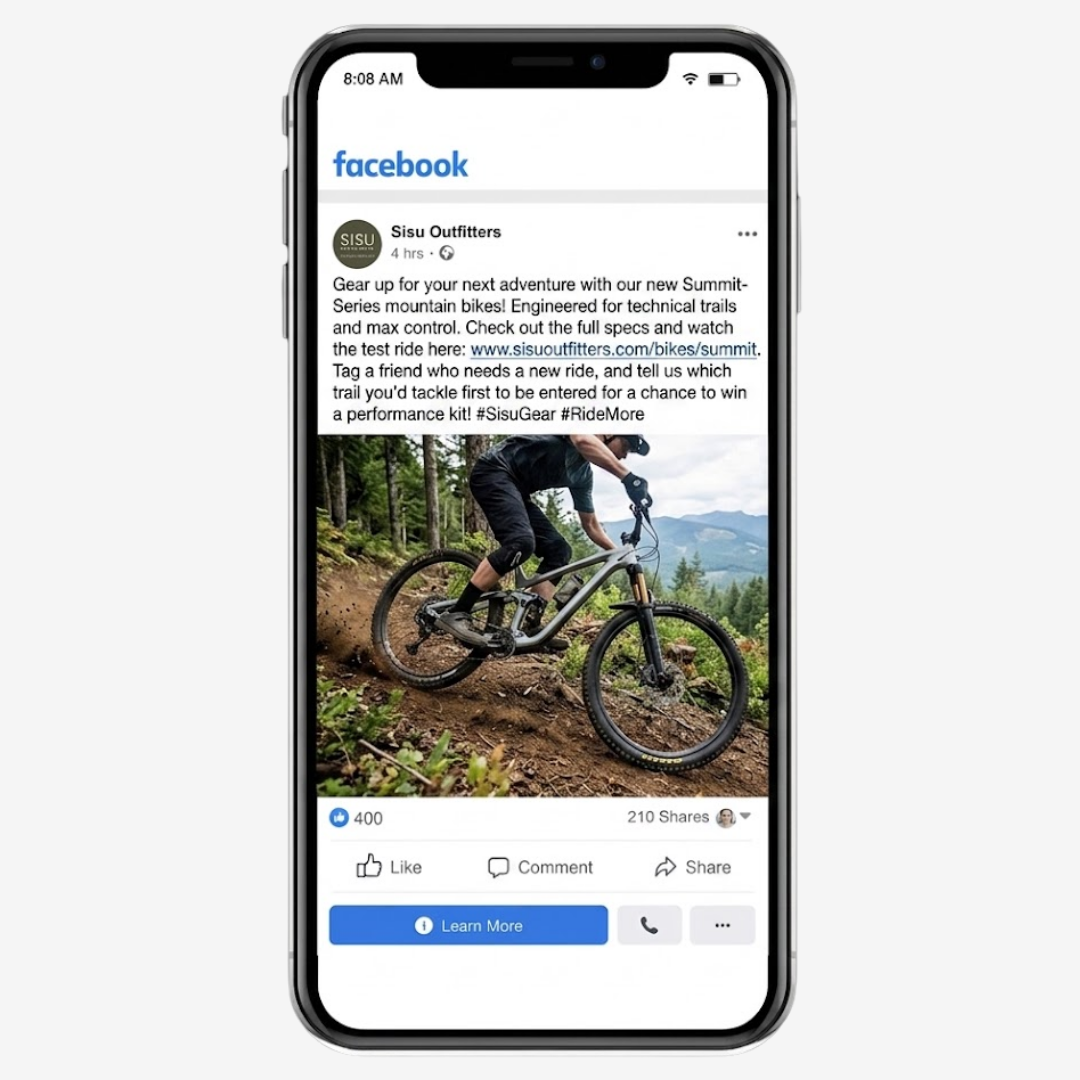
Facebook remains a practical option for businesses seeking broad reach, local awareness, lead generation, or ecommerce sales. Advertisers can use Feed ads, Stories, Reels, video, carousels, and lead forms to reach customers at different stages of the buying journey.
The platform can suit local businesses, ecommerce brands, professional services, and companies targeting broad or older audiences. Its range of objectives and settings provides flexibility, but campaign setup and performance analysis can feel complicated for beginners.
Facebook can also support retargeting. A business might first introduce its services through a video, then show a more direct offer to people who watched the video or visited its website.
Best for: Broad consumer audiences, local services, ecommerce, retargeting, and lead generation. Main limitation: Campaign complexity and strong competition for popular audiences.
Businesses that want support with targeting, creative testing, and campaign management can explore Gray Bay Marketing’sFacebook Ads agency services.
Instagram Ads
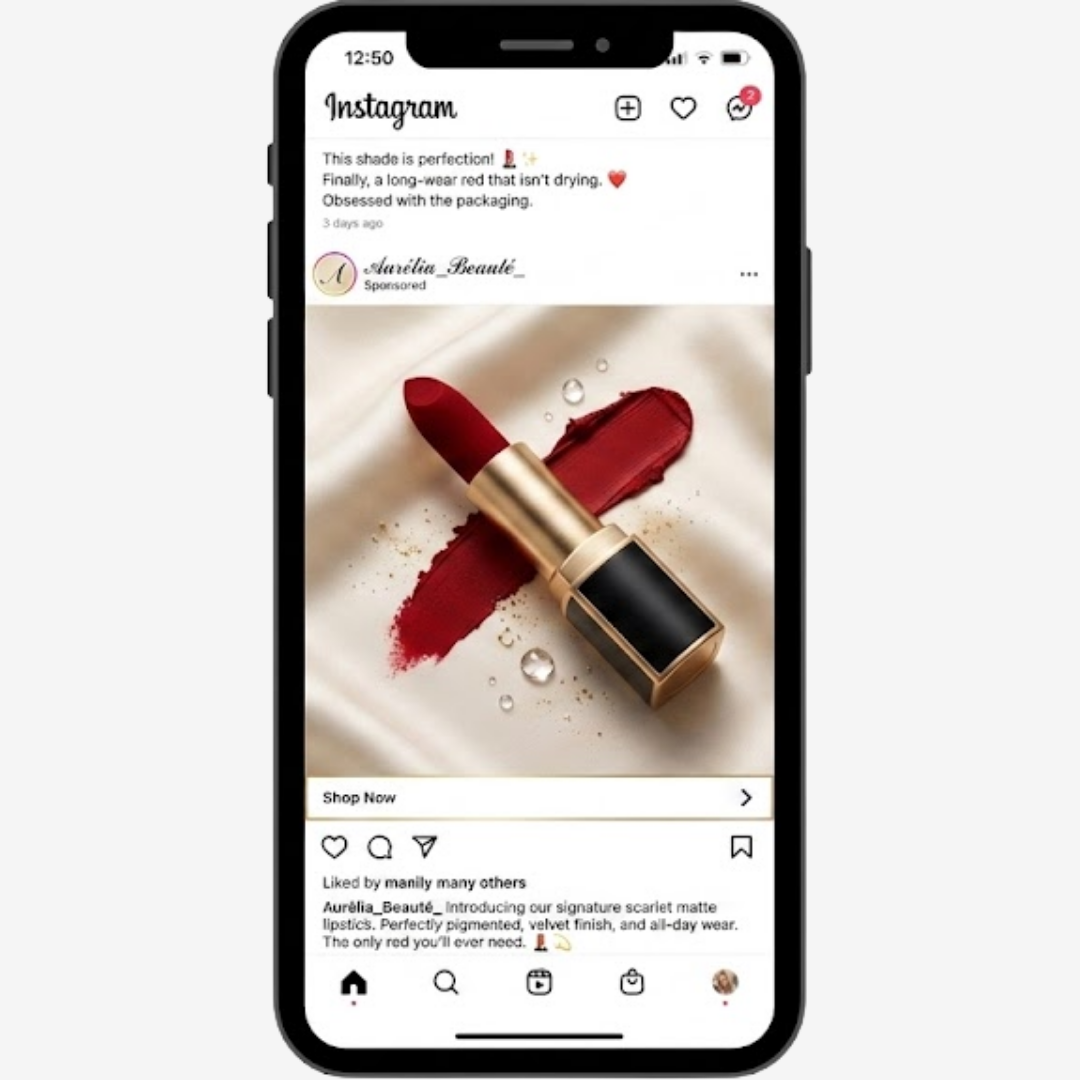
Instagram often suits businesses that can communicate their value visually. Reels, Stories, Feed ads, carousels, and creator-led content give brands several ways to demonstrate products, show results, and introduce offers.
Fashion, beauty, food, travel, fitness, hospitality, jewelry, and home brands can be natural fits, but Instagram is not limited to physical products. Service businesses can use before-and-after content, customer stories, short explanations, and behind-the-scenes videos to make an intangible offer easier to understand.
Creator content can also play a role. Partnership ads allow businesses to promote eligible creator content to a wider audience, combining the creator’s presentation style with paid distribution.
Best for: Fashion, beauty, food, travel, lifestyle, ecommerce, creators, and visually driven services. Main limitation: Businesses need a steady supply of strong images and vertical videos to prevent creative fatigue.
YouTube Ads
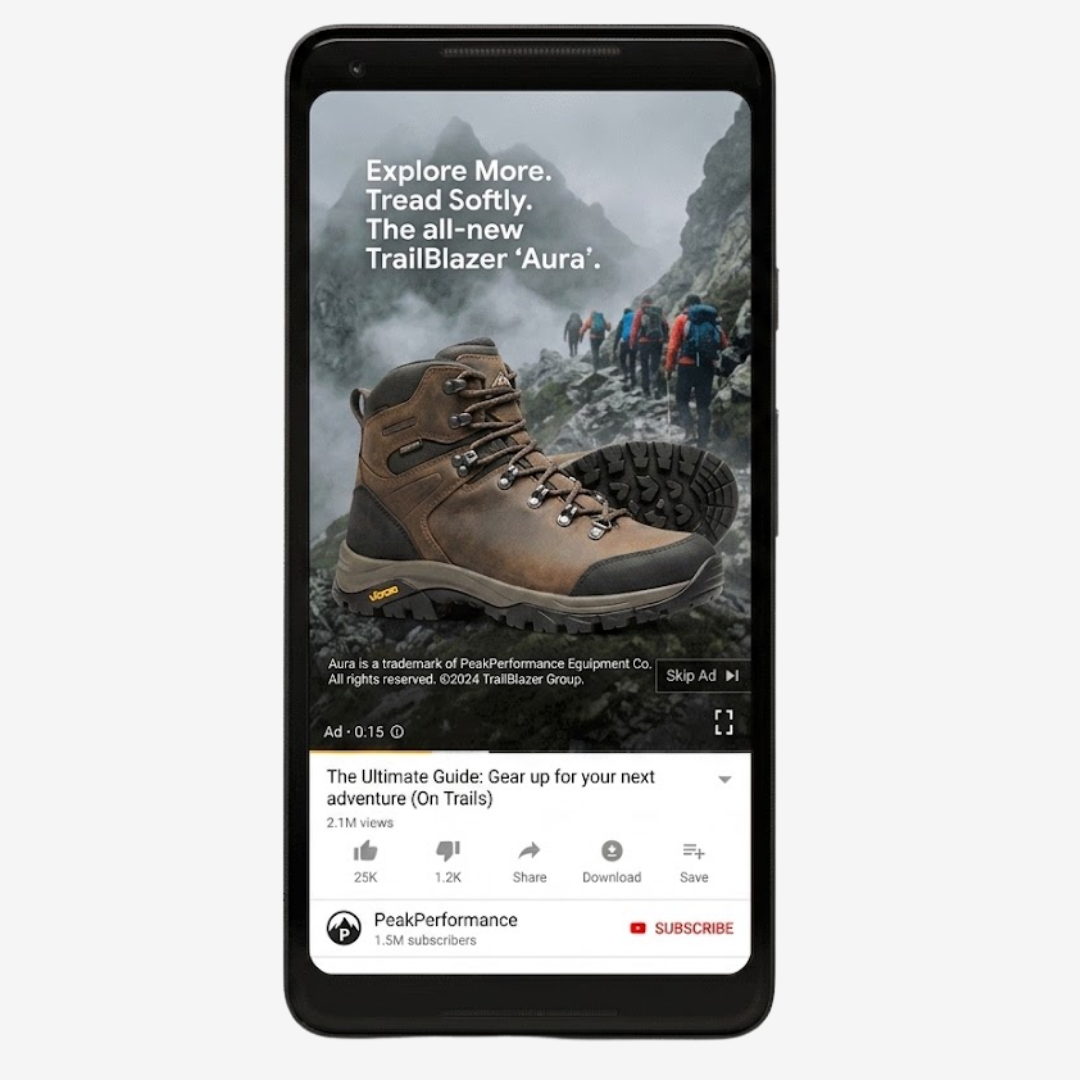
YouTube lets businesses reach viewers through skippable and non-skippable in-stream ads, in-feed video ads, bumper ads, and Shorts placements. Those formats can introduce a product, demonstrate a service, answer common questions, or build familiarity over time.
The platform is especially useful when customers need to see how something works before they feel comfortable buying it. Software walkthroughs, product demonstrations, customer testimonials, educational videos, and service explanations can all work well.
YouTube generally requires more planning than a basic image or search ad. A business needs a clear opening, a reason for the viewer to keep watching, and a next step that fits the campaign goal. An established organic YouTube channel is helpful in some cases, but it is not required to advertise.
Best for: Consumer products, education, software, tutorials, demonstrations, and services that require explanation. Main limitation: Producing and testing effective video creative usually takes more time and resources than creating a basic image or search ad.
TikTok Ads
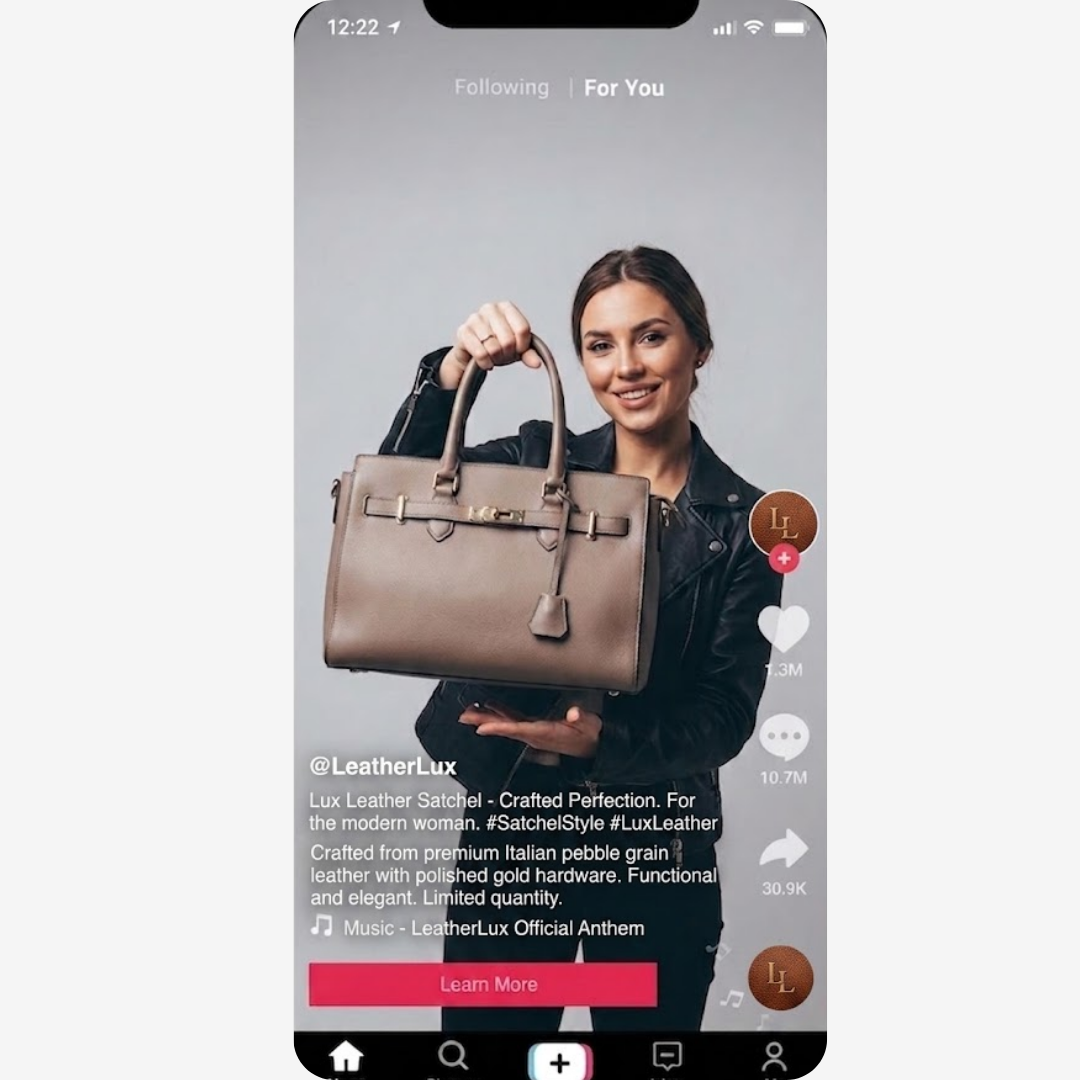
TikTok is an important channel for short-form video advertising and product discovery. Its fast-moving feed suits demonstrations, reviews, tutorials, customer reactions, and creator-style videos.
The platform can be particularly useful for ecommerce businesses and brands targeting younger audiences. TikTok also offers Spark Ads, which allow businesses to promote eligible posts from their own accounts or authorized creators.
Highly polished commercial footage is not always the best fit. Content often works better when it feels natural to the platform, reaches the point quickly, and gives viewers an immediate reason to continue watching.
Results vary by industry, offer, audience, and creative quality. A product that is easy to demonstrate may have an advantage over a service that requires a long explanation or targets a very narrow local audience.
Best for: Ecommerce, beauty, fashion, entertainment, lifestyle products, and younger audiences. Main limitation: TikTok usually requires frequent creative testing and content that feels native to the platform.
Google Ads as a Paid-Search Alternative
Google Ads is not a social media platform, but it deserves consideration when businesses compare paid advertising channels. Google Search ads can reach people who are actively looking for a product, service, or solution.
For example, someone searching for “emergency plumber near me” generally shows stronger immediate intent than someone encountering a plumbing advertisement while browsing a social feed. That difference can make Google Search especially useful for local services, professional services, and products with established search demand.
High intent does not guarantee a profitable campaign. Competitive keywords can be expensive, and a campaign may struggle if the website, offer, or landing page does not convert visitors.
Best for: Local services, professional services, B2B offers, ecommerce searches, and products with clear search demand. Main limitation: Search campaigns depend on existing demand and can become expensive when several advertisers compete for the same keywords.
Gray Bay Marketing’sGoogle Ads management services cover campaign structure, targeting, conversion tracking, optimization, and budget management.
Which Platform Should You Start With?
A business does not need to advertise everywhere at once. In fact, spreading a limited budget across several channels can make the results harder to evaluate.
Use this table as a starting point:
| Primary Goal | Platform to Consider |
|---|---|
| Reach a broad consumer audience | |
| Promote a visual product | |
| Explain a product or service through video | YouTube |
| Reach younger shoppers | TikTok |
| Capture existing search demand | Google Search |
| Generate local service leads | Facebook or Google Search |
| Introduce ecommerce products | Instagram, Facebook, or TikTok |
| Build trust through educational content | YouTube |
| Retarget previous website visitors | Facebook or Instagram |
The strongest choice is usually the channel that matches both customer behavior and the content the business can produce consistently. A controlled test will provide more useful information than platform popularity alone.
Facebook Ads vs. Instagram Ads
The Facebook Ads vs. Instagram Ads decision usually comes down to audience, creative style, and campaign goal. Facebook often suits businesses targeting broad or older audiences, local customers, and lead-generation prospects. Instagram generally performs best when visual presentation, short-form video, product discovery, or creator content influences the purchase.
Both platforms operate through Meta Ads Manager, so businesses do not always have to choose only one. A campaign can run across eligible Facebook and Instagram placements, allowing the advertiser to compare results before concentrating more of the budget on a particular platform.
| Factor | Facebook Ads | Instagram Ads |
|---|---|---|
| Audience Fit | Broad, local, and older audiences | Visual, mobile-first, and creator-led audiences |
| Strong Formats | Feed ads, video, Reels, and lead forms | Reels, Stories, Feed ads, and carousels |
| Common Uses | Local leads, services, and retargeting | Ecommerce, lifestyle, and product discovery |
| Creative Needs | Images, videos, and direct offers | Strong visuals and vertical video |
| Main Challenge | Campaign complexity and competition | Frequent creative production |
Advertisers should compare more than cost per click. Lead quality, conversion rate, customer acquisition cost, and revenue provide a better picture of which placement deserves additional budget.
Best Ad Platform for Small Businesses
The best ad platform for small businesses depends on the audience, budget, offer, creative resources, and sales process. Facebook may suit local lead generation and broad consumer targeting, while Instagram can work well for visually appealing products and creator-led campaigns.
Google Search is often worth considering when customers already search for the product or service. TikTok supports short-form discovery, while YouTube can help businesses explain complex or unfamiliar offers through video.
Start with the platform that most closely matches how customers find and evaluate the business. A focused test on one channel usually produces clearer information than dividing a limited budget across several platforms.
How to Choose the Right Advertising Platform
The best social media platforms for advertising are not necessarily the ones with the most users. Before committing a budget, consider how each channel fits the business.
Consider Audience Fit
Identify where target customers spend time and what type of content they consume. Age alone does not provide enough information. Location, interests, professional role, buying habits, and the problem being solved can all affect platform choice.
A restaurant promoting a new location may benefit from broad local reach and visual creative. A software company trying to reach finance executives may need professional targeting or high-intent search traffic instead.
Match the Platform to Customer Intent
Google Search can capture existing demand from people actively seeking a solution. Facebook, Instagram, YouTube, and TikTok can introduce an offer before the customer starts searching.
Neither approach is automatically better. A business selling an unfamiliar product may need to create interest first, while an emergency service may get more value from being visible at the moment someone needs help.
Assess Your Creative Resources
Instagram, TikTok, and YouTube require a reliable supply of visual or video content. Facebook supports a wider mix of images, videos, carousels, and lead forms. Search campaigns rely more heavily on keywords, ad copy, offers, and landing-page quality.
The platform must fit what the business can realistically produce. Choosing a video-heavy channel without the time or resources to create fresh videos can make consistent testing difficult.
Consider the Sales Process
An inexpensive ecommerce product may convert shortly after someone sees an advertisement. A professional service or high-value B2B offer may require several interactions, a sales call, remarketing, and email follow-up.
Campaign objectives and expectations should reflect that buying journey. Judging a long sales cycle only by immediate online purchases can hide the campaign’s actual contribution.
Check Customer Economics
Advertising decisions should account for gross profit, repeat purchases, close rate, and customer lifetime value. Two businesses with the same average order value may have very different limits on what they can afford to spend to acquire a customer.
Confirm That Tracking Is Ready
Before launching, verify that purchases, form submissions, calls, bookings, and other valuable actions can be measured. Tracking should be tested before the campaign begins, not after the budget has already been spent.
How Much Should You Spend on Social Media Advertising?
A practical starting budget depends on the audience, location, competition, product price, conversion rate, and expected customer value. Small businesses do not need to commit a large amount on the first day, but the budget must be high enough to produce useful data.
The figures below are illustrative testing ranges rather than platform minimums or guaranteed spending requirements. A competitive local market may require a larger budget to generate the same number of clicks or leads.
Social Media Advertising Budget
| Business Goal | Monthly Testing Range | Daily Testing Range | Platform to Consider |
|---|---|---|---|
| Local Awareness | $150–$300 | $5–$10 | Facebook or Instagram |
| Local Lead Generation | $300–$600 | $10–$20 | Facebook or Google Search |
| Ecommerce Testing | $300–$900 | $10–$30 | Instagram, Facebook, or TikTok |
| Lead Generation at Scale | $600–$1,500 | $20–$50 | Facebook or Google Search |
| Established Ecommerce Growth | $1,500–$5,000+ | $50–$165+ | Meta, Google, or TikTok |
| Brand Awareness | $300–$1,000 | $10–$35 | Instagram, Facebook, or YouTube |
Start With a Focused Test
Some small businesses begin with $10 to $30 per day, but that range may not generate enough conversions in expensive or highly competitive markets. Estimate how many leads or sales the campaign needs to produce a useful result, then set the budget accordingly.
Testing five platforms with a limited budget is unlikely to produce clear answers. It is usually better to test a few audiences and creative approaches on one promising channel.
Measure More Than Clicks
Cost per click can help explain how efficiently an advertisement brings people to a website, but it does not show whether those visitors become customers.
Depending on the goal, useful metrics may include:
Conversion rate
Cost per lead
Lead quality
Customer acquisition cost
Average order value
Return on ad spend
Revenue from new customers
Customer lifetime value
A campaign with more expensive clicks may still be the better choice if those visitors are more likely to purchase.
Increase Spending Gradually
Increase the budget after a campaign generates enough conversions to show a reasonably consistent pattern. Continue monitoring acquisition cost, lead quality, conversion rate, and revenue as spending rises.
A change in budget can affect delivery and audience reach, so avoid assuming that performance will remain identical at a higher spending level.
Tip: Evaluate advertising costs against gross profit and customer lifetime value, not revenue alone. A business with valuable repeat customers may be able to accept a higher acquisition cost than one selling a low-margin, one-time purchase.
Related guide:AI tools for managing Facebook Ads
Final Thoughts
Facebook can support broad reach, retargeting, and local lead generation, while Instagram often suits visual products and creator-led campaigns. Google Search can capture people actively seeking a solution. YouTube supports education and product demonstrations, while TikTok can help brands reach younger audiences through short-form discovery.
The best social media platforms for advertising are the ones that consistently produce qualified leads, profitable sales, or another measurable business result. Start with the channel that most closely matches customer behavior, establish reliable tracking, and expand only when the results support a larger investment.
Ready to Find the Right Ad Platform for Your Business?
AtGray Bay Marketing, we look at audience intent, customer value, available creative, conversion tracking, and the sales process before recommending an advertising platform. The goal is to choose channels based on how the business actually grows, not simply on which platform is currently popular.
Explore our broaderpaid media and digital marketing services to see how we connect campaign strategy, creative work, tracking, and ongoing optimization.
Ready to make a clearer decision about where your advertising budget should go? Contact Gray Bay Marketing to start the conversation.
FAQs
What are the best social media platforms for advertising for a small business?
Facebook is a practical option for many local businesses and companies targeting broad consumer audiences. Instagram can suit visually driven products and services, while TikTok may fit brands with strong short-form creative. YouTube is useful when customers need education or a demonstration. Google Search is also worth considering when people already search for the offer.
Is social media advertising expensive?
Costs vary based on the platform, industry, audience, location, competition, campaign objective, and time of year. A business can begin with a controlled test and increase spending once the campaign produces enough data. Cost per lead, customer acquisition cost, lead quality, and revenue are more meaningful than clicks alone.
Which platform is best for a small business with a limited budget?
The best social media platforms for advertising on a limited budget depend on customer intent and the type of creative the business can produce. Facebook may suit local awareness and lead generation, while Instagram can work for visually appealing offers. Avoid spreading a small budget across several channels before one platform has generated enough data.
Is Facebook or Instagram better for advertising?
Facebook often suits broader audiences, local services, retargeting, and lead-generation campaigns. Instagram generally suits visual products, Reels, Stories, creator partnerships, and demonstrations. Because both use Meta Ads Manager, advertisers can test eligible placements across both and compare acquisition cost, lead quality, and sales.
How much should I spend on social media ads?
Some small businesses begin with $10 to $30 per day, but the appropriate amount depends on competition, location, audience size, expected cost per result, gross profit, and customer lifetime value. The test budget should be large enough to produce meaningful data without exceeding an acceptable acquisition cost.
Why are my social media ads getting clicks but no sales?
The problem may be the audience, offer, landing page, product price, page speed, checkout process, or tracking setup. Compare the promise made in the advertisement with what visitors see after clicking. A mismatch between the ad and landing page can attract attention without producing purchases.
Should I advertise on more than one platform?
A second platform can make sense after the first campaign has produced enough data to establish a baseline. Spreading a limited budget too early can make the results harder to interpret. Once one channel works consistently, another platform can help expand reach or support a different stage of the buying journey.
Which advertising platform is best for ecommerce?
Facebook and Instagram can work well through Feed ads, Reels, Stories, carousels, retargeting, and creator content. TikTok may suit products that are easy to demonstrate through short-form video. Google Search and Shopping can capture customers actively researching or comparing products. The strongest choice depends on margin, price, search demand, visual appeal, and available creative.
Which platform is best for generating leads?
Google Search can work well when prospective customers actively seek a local or professional service. Facebook can generate demand through audience targeting, direct-response creative, and lead forms. Lead quality also depends on the offer, form questions, landing page, geographic targeting, response time, and sales follow-up.
How long should I run an ad before judging its performance?
Judge a campaign after it has generated enough impressions, clicks, and conversions to show a pattern, not simply after a fixed number of days. A low-budget campaign may need more time than one producing several conversions each day. Investigate immediately if tracking is broken, the landing page fails, or the campaign attracts clearly irrelevant traffic.