
The way people discover and compare businesses is changing. Instead of beginning with a traditional Google search, a potential customer may ask ChatGPT for recommendations, use Perplexity to compare providers, or turn to Gemini to research available options. The problem is that your brand can be completely absent from these answers without you even realizing it. You may have a well-designed website, publish blogs, target relevant keywords, and still struggle to appear when your potential customers ask AI platforms questions related to your industry.
That creates a new visibility gap. You need to know what LLM SEO browsers and AI platforms already understand about your business, which questions bring your competitors into the conversation, and what information could make your brand easier to discover and cite.
This guide explores the best free AEO tools that can help you take that first step. You will learn how to check what AI platforms say about your brand, identify content opportunities, answer customer questions, inspect citations, and monitor visibility over time. You will also learn how to organize these activities into a practical workflow without immediately investing in paid software.
Quick answer: The best free AEO tools include ChatGPT Search, Perplexity, Gemini, HubSpot AI Search Grader, Google Search Console, and Google Sheets. Together, they can help you test AI visibility, inspect citations, research customer questions, improve content, and monitor changes without purchasing dedicated AEO software.
Why Optimize Content for AI Search?
Optimizing content for AI search helps make your information clear, relevant, structured, and easy for AI systems to interpret and retrieve. These improvements may increase your brand’s chances of appearing in AI-generated answers, earning citations, and being included in relevant recommendations.
The main reasons to optimize content for AI search include:
Increase AI visibility: Help AI platforms discover and understand your brand and its expertise.
Earn citations: Well-structured, useful content has a better chance of being referenced as a source.
Reach customers during discovery: Appear when potential buyers ask questions related to your products or services.
Answer conversational queries: Address complete questions rather than relying only on short keyword phrases.
Strengthen topical authority: Build a clear collection of useful information around your subject area.
Improve content clarity: Direct answers, descriptive headings, concise sections, and supporting evidence make information easier to interpret.
Stay competitive: Competitors that appear consistently in AI answers can capture attention before customers ever visit traditional search results.
Support long-term visibility: AI-generated results can change, so regularly updated and well-supported content gives your brand a stronger foundation.
AEO is not about writing exclusively for machines. The strongest AI search content is still created for people first. Clear answers, useful information, original expertise, accurate facts, and genuine solutions give both readers and AI systems a reason to trust the content.
Read more: 10 Best AI Tools for Content Creators to Save Time in 2026
What Are AEO Tools?
The best free AEO tools are software platforms, AI systems, and analytical utilities designed to improve Answer Engine Optimization (AEO). Depending on their features, these tools can help businesses examine how AI platforms present, retrieve, cite, or recommend information about a brand. Unlike traditional SEO tools, which primarily analyze rankings, keywords, backlinks, and organic traffic, AEO tools focus on AI visibility, citations, mentions, sentiment, query coverage, entity recognition, source attribution, and generative search results.
Some AEO tools can test brand visibility across platforms such as ChatGPT, Gemini, and Perplexity, while others focus on content research, source analysis, or manual monitoring. They can also identify customer questions where a business is missing from AI-generated answers, compare visibility against competitors, evaluate content for answerability, and track changes in AI citations over time. Some platforms provide AEO scores, query monitoring, citation tracking, competitive analysis, content recommendations, and automated reporting.
AI visibility results can vary by platform, model, search mode, location, personalization, prompt wording, and testing date. Treat each result as a snapshot rather than a definitive measurement of your overall AI visibility.
What are the Best AEO & Generative Engine Optimization Tools?
These AEO and generative engine optimization tools can reveal AI visibility gaps, track citations, analyze competitors, and show where content needs improvement:
1. ChatGPT, Gemini, and Perplexity
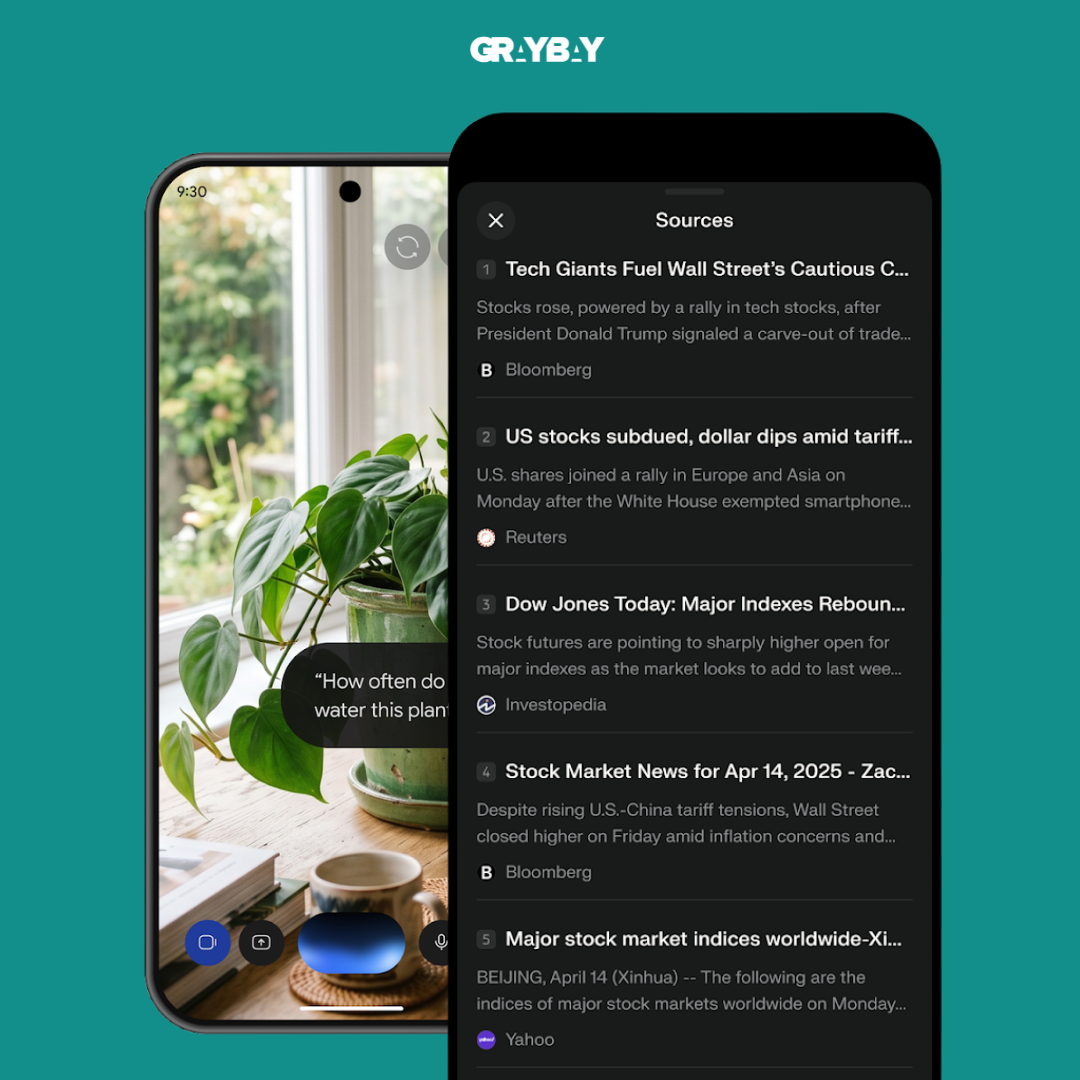
Best for: Checking your AI visibility, discovering citation gaps, and understanding how AI platforms represent your brand
ChatGPT and Perplexity are useful starting points for AEO because they let you see your brand through the same type of AI-driven discovery experience your customers may use. Start by searching your business name, then move to non-branded questions that reflect real customer needs. Queries such as “What are the best [product] brands?” or “Which companies offer [service]?” can reveal whether your brand appears when customers are still deciding what to buy.
The results can expose gaps that traditional search data may not show. Your brand might be missing from relevant answers, appear less frequently than competitors, or be described using incomplete or outdated information. Perplexity prominently displays cited sources, while ChatGPT Search and Gemini may provide source links when web search or grounding is used. These links can help you examine which websites contribute to an answer.
ChatGPT can take the process further by helping you analyze these findings, identify content gaps, develop customer-focused questions, and improve existing pages. You can also keep your findings in one conversation and gradually turn it into a dedicated AEO assistant.
What you can use ChatGPT Search, Gemini, and Perplexity for:
Test branded and non-branded AI queries
Check whether your business appears in recommendations
Compare your visibility with competitors
Examine AI citations and supporting sources
Identify missing topics and content gaps
Find questions your potential customers may ask
Review and restructure existing content
Develop FAQ, comparison, and educational content
Track recurring visibility issues
Build a personalized AEO research workflow
Limitation: Results may change between tests and can vary according to the platform, model, search mode, location, and exact prompt. Manual tests are useful for identifying patterns, but they should not be treated as fixed rankings.
2. HubSpot AI Search Grader
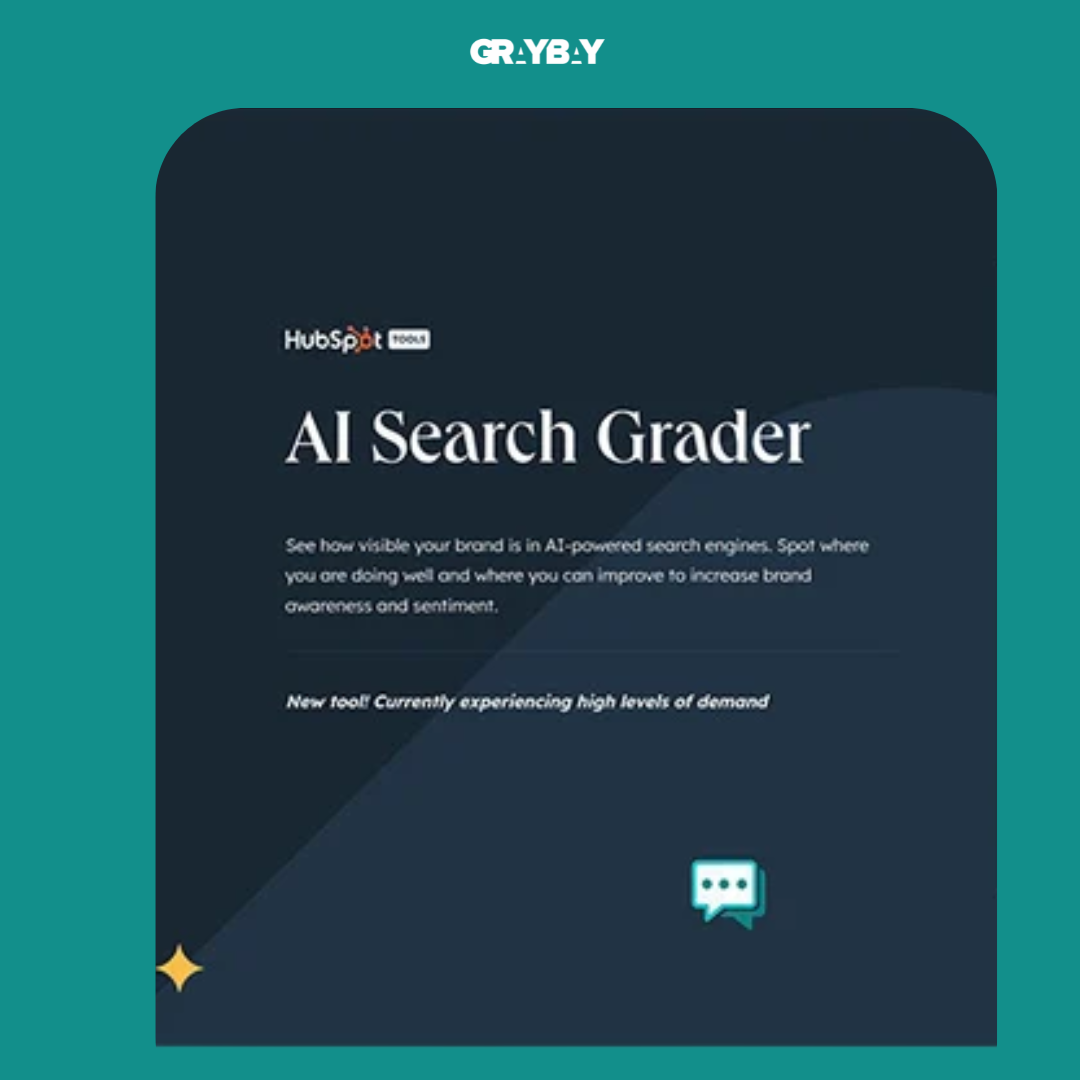
Best for: Checking your AI visibility and establishing a free baseline
You can use free AI search visibility graders to get an initial idea of how your brand appears across AI search. The goal is not to obsess over one score, but to understand where your brand currently stands before making changes.
Run your brand through a free grader and record the results. Look at visibility, mentions, sentiment, citations, and competitor presence where the tool provides these metrics. A low visibility score with positive sentiment can simply mean that AI systems do not have enough information about your brand yet.
Once you have the baseline, save the result and use your AI chat to interpret it. Ask which three improvements would require the least effort and could have the greatest effect. Recheck your visibility later and record whether the results changed. Because AI answers fluctuate, avoid assuming that one content update directly caused a change in the score.
Free uses include:
Check your AI visibility
Establish a baseline score
Review brand mentions
Examine sentiment
Identify citation gaps
Compare available competitor data
Find visibility weaknesses
Prioritize improvements
Track changes over time
Limitation: A grader provides a snapshot based on its own prompts and methodology. It should complement—not replace—manual query testing, citation analysis, and first-party website data.
3. ChatGPT with a Free AEO Content Checklist
Best for: Creating content that answers customer questions and has citation potential
You do not necessarily need a paid content optimization platform to start creating AEO-focused content. A free AI chatbot combined with a practical AEO guide or playbook can give you a starting workflow.
Begin with a question your customers genuinely ask. Give ChatGPT the customer question, intended audience, topic, relevant business information, reliable sources, and your AEO guidelines. Ask it to create content that answers the main question early, uses clear headings, provides useful context, and keeps important information easy to understand.
Existing content can go through the same process. Paste your page into the free AI chat and ask it to identify unclear answers, missing questions, weak sections, and opportunities to make the information more useful. Before publishing, verify every factual claim, remove unsupported statements, add first-hand experience, cite reliable sources, and edit the language to reflect your brand’s voice.
Free uses include:
Research customer questions
Create FAQ ideas
Develop comparison topics
Improve existing content
Structure direct answers
Identify content gaps
Create article outlines
Review content clarity
Generate content ideas
Prepare citation-focused pages
Limitation: ChatGPT can help organize and evaluate content, but it cannot guarantee citations or inclusion in AI-generated answers. Human fact-checking and first-hand expertise remain essential.
4. Google Sheets Manual AEO Tracker
Best for: Manually monitoring changes in your AI visibility
You can create a simple free AEO monitoring system without subscribing to an expensive tracking platform. The process involves choosing a fixed group of customer questions and checking those same questions in AI search platforms regularly.
Create a spreadsheet with your most important queries. Run each question through ChatGPT Search, Perplexity, and Gemini. Record the date, exact prompt, platform, model or search mode, brand position, competitors mentioned, description or sentiment, and cited sources. Repeat the process on a regular schedule so you can identify changes.
This manual approach takes more time than automated software, but it gives small businesses a practical way to start monitoring AI visibility without a subscription.
Free uses include:
Track important customer queries
Check brand mentions
Record competitor appearances
Monitor citations
Compare AI responses
Identify changes over time
Spot new content opportunities
Create a simple visibility history
Simple free setup: Google Sheets, ChatGPT Search, Perplexity, and Gemini.
Limitation: Manual tracking takes time, and AI responses can fluctuate. Look for repeated patterns across several prompts and testing periods rather than treating one response as conclusive.
5. Your Own AEO Assistant
Best for: Keeping your entire AEO process in one free AI workspace
Your most useful free AEO tool may be the AI chat you are already using. Instead of starting a new conversation every time you need to research a query, create content, or analyze a visibility result, turn one free AI chat into your personal AEO assistant.
Give it your brand information, target audience, important customer questions, visibility results, competitor findings, and content guidelines. As you continue working, add new findings to the same conversation or project. The assistant can then use that information to help you identify gaps and decide what to work on next.
A simple setup can connect your entire free AEO workflow:
AI searches → visibility checks → content research → content creation → monitoring → next actions
Free uses include:
Analyze your AI visibility results
Interpret grader scores
Identify content gaps
Generate customer questions
Review existing content
Create AEO-focused outlines
Analyze competitor findings
Suggest content opportunities
Review new AI search results
Plan your next AEO actions
The main advantage is organization: one workspace can connect your research, content planning, monitoring results, and next actions.
Limitation: Available features, context limits, web access, and usage allowances may vary by platform and account. Keep a separate spreadsheet or document containing your most important findings.
Quick Overview of the Best Free AI SEO Tools
These free tools cover the main stages of AEO, from checking your brand's AI visibility to creating content, tracking changes, and deciding what to improve next.
| Free AI SEO Tools/Workflow | Primary Purpose | AI Visibility Check | Citation Check | Competitor Research | Content Creation | Content Optimization | Monitoring | Main Benefit | Best For |
|---|---|---|---|---|---|---|---|---|---|
| ChatGPT | AI research and content assistance | ✓ | ✓ | ✓ | ✓ | ✓ | Manual | Tests how AI understands your brand and helps turn findings into actions | Beginners, marketers, content writers |
| Perplexity | AI search and source research | ✓ | ✓ | ✓ | Limited | ✓ | Manual | Shows AI answers alongside cited web sources | Brand research and citation analysis |
| Gemini | AI search testing and content research | ✓ | ✓ | ✓ | ✓ | ✓ | Manual | Provides another AI environment for testing brand visibility | Cross platform AI testing |
| Free AI Search / AEO Grader | Visibility measurement | ✓ | ✓ | ✓* | ✗ | ✗ | Limited | Gives you a starting visibility baseline | Businesses measuring their current AI presence |
| ChatGPT + AEO Guide/Playbook | AEO content development | ✗ | ✗ | ✓ | ✓ | ✓ | ✗ | Turns customer questions and AEO principles into useful content | Content teams and small businesses |
| Manual AEO Sensor | Ongoing visibility tracking | ✓ | ✓ | ✓ | ✗ | ✗ | ✓ | Lets you monitor AI visibility without paying for dedicated tracking software | Small businesses and solo marketers |
| Your Own AEO Assistant | Central AEO workspace | ✓ | ✓ | ✓ | ✓ | ✓ | ✓ | Combines research, visibility checks, competitor analysis, content planning, optimization, and performance tracking into one repeatable workflow | Businesses building a long term AI search strategy |
| Google Search Console | Search performance analysis | Limited | ✗ | Limited | ✗ | ✓ | ✓ | Reveals which queries and pages already attract visibility that can support AI search optimization | Website owners and SEO professionals |
| Google Trends | Topic and demand research | Limited | ✗ | ✓ | ✗ | ✓ | ✓ | Identifies emerging topics and audience interests that can influence AI search visibility | Content strategists and marketers |
| Google Analytics 4 | User behavior monitoring | ✗ | ✗ | ✗ | ✗ | ✓ | ✓ | Tracks engagement and conversion data to measure the impact of AEO efforts | Businesses focused on ROI and performance |
| Schema Markup Generator | Structured data creation | ✗ | ✗ | ✗ | ✗ | ✓ | ✗ | Helps search engines and AI systems better understand content context | Website owners improving content discoverability |
| AnswerThePublic (Free Version) | Question and intent research | Limited | ✗ | ✓ | ✓ | ✓ | ✗ | Surfaces real user questions that can be turned into AI-friendly content | Content creators and SEO teams |
| AlsoAsked | Related question research | Limited | ✗ | ✓ | ✓ | ✓ | ✗ | Maps question relationships and user intent pathways for AEO content planning | Writers, SEOs, and marketers |
| Google Alerts | Brand mention monitoring | Limited | ✓ | ✓ | ✗ | ✗ | ✓ | Tracks new mentions of your brand, competitors, and industry topics across the web | Small businesses and reputation managers |
How to Build a Free AEO Workflow
A practical free AEO workflow connects research, measurement, content improvement, and monitoring:
Choose 10–20 commercially relevant customer questions.
Test the questions in ChatGPT Search, Perplexity, and Gemini.
Record brand mentions, competitor appearances, descriptions, and cited sources.
Use HubSpot AI Search Grader as an additional visibility snapshot.
Identify unanswered questions and missing supporting information.
Create or improve the pages that address those gaps.
Repeat the same tests monthly and record meaningful patterns.
This process will not guarantee AI mentions, but it can help you make evidence-based decisions about what to improve next.
Read more: How to Use Gemini in Google Ads to Build Better Campaigns
Final Thoughts
The best free AEO tools can give your brand a practical starting point for AI search visibility without an immediate investment in expensive software. ChatGPT, Perplexity, Gemini, free visibility graders, and simple tracking workflows can reveal where your brand appears, where competitors have an advantage, and which customer questions need better answers.
The real value comes from consistency. Regular AI searches, useful content, clear answers, accurate information, and ongoing monitoring can gradually create a stronger presence across AI-generated results. Although free tools cannot provide complete visibility data, they can give small businesses enough evidence to identify gaps and prioritize their next steps.
Build a Stronger Digital Marketing Strategy with Gray Bay Marketing
AI search is becoming another place where customers discover brands, but visibility across search, AI, and paid channels requires a connected strategy. Gray Bay Marketing can help you build that broader digital presence through LLM SEO services designed for AI-driven discovery, paid media management focused on measurable growth, and Google Ads services that reach high-intent customers.
A stronger online presence starts with the right channels working together. Ready to make your brand easier to find, trust, and choose? Connect with Gray Bay Marketing today and build a digital marketing strategy designed for where your customers search next.
Frequently Asked Questions
How do I check if my brand appears in AI search?
Ask ChatGPT, Perplexity, or Gemini questions that your potential customers might ask about your industry. Branded searches can show what an AI platform knows about your business, while non-branded questions reveal whether your brand appears during customer discovery.
Can free AEO tools help my brand get mentioned by ChatGPT?
Yes. Free tools can help you identify content gaps, understand customer questions, and create clearer answers that AI systems can potentially discover and reference. No tool can guarantee a brand mention because AI-generated results depend on multiple factors.
How frequently should I monitor AI search visibility?
Monthly monitoring provides a practical starting point for most businesses. More frequent checks can make sense for competitive industries, frequently updated websites, or brands experiencing significant changes in AI visibility.
What should I do after finding a low AI visibility score?
A low score should serve as a starting point rather than a final judgment. Review your content, identify unanswered customer questions, examine competitor citations, and look for reliable information that AI platforms may be missing about your brand.
What are the Best Free AEO Tools for beginners?
Beginners can start with ChatGPT Search, Perplexity, Gemini, HubSpot AI Search Grader, Google Search Console, and Google Sheets. Together, these resources support manual visibility testing, citation research, website analysis, content improvement, and ongoing monitoring. The right combination can provide a practical AEO workflow without an immediate software investment.