
22 Low-Budget Marketing Campaigns That Make a Big Impression

You don’t need a huge marketing budget to get people talking about your business. What you do need is a clear idea of what you want the campaign to achieve and where your money, time, and effort should go.
That sounds simple, but it’s easy to burn through a small budget on scattered social posts, random ads, or promotions that get plenty of attention and very little business. A low-cost campaign should have a job to do, whether that means bringing in local customers, generating leads, getting past customers back, or turning existing traffic into sales.
Below are 22 low budget marketing ideas organized by business goal, from improving local visibility to increasing repeat purchases. Each explains the campaign’s purpose, how to approach it, and which results to track, so you can choose an idea that fits your audience and available resources.
What Makes a Low-Budget Marketing Campaign Worth Running?
A small budget leaves little room for wasted effort, so the campaign needs to make good use of what your business already has. Before putting money behind an idea, look for these signs that it is worth running:
It solves a real customer problem: Strong campaigns give people a useful reason to pay attention, take action, or come back to your business.
It uses assets you already own: Customer reviews, past purchases, website traffic, email subscribers, existing content, and staff knowledge can reduce the need for expensive new materials.
It has a clear audience: A campaign aimed at a specific group is easier to shape and track than one trying to reach everyone.
It gives people a reason to act now: A limited-time offer, useful resource, event, referral incentive, or timely message can create a clear next step without requiring a large discount.
It can be tested on a small scale: You should be able to start with a limited audience, short timeframe, or small spend before committing more resources.
It connects to a business outcome: Likes and impressions can provide useful signals, but the campaign should ultimately connect to actions such as calls, bookings, leads, signups, store visits, or purchases.
It leaves you with something reusable: Good campaigns can create assets you can use again, such as customer testimonials, videos, email subscribers, referral relationships, or high-performing ad creative.
It gives you a clear next move: Once the campaign ends, you should know what to repeat, what to change, or what to stop based on the results.
Low Budget Marketing Ideas That Get Your Business Found Locally
Local marketing works best when several small signals point customers toward the same business. Search visibility, customer reviews, neighborhood relevance, and nearby partnerships can reinforce one another without requiring a large advertising budget. For restaurants, service businesses, retail stores, schools, and other location-dependent brands, these campaigns can help turn nearby searches into calls, visits, bookings, and inquiries.
1. Refresh Your Google Business Profile
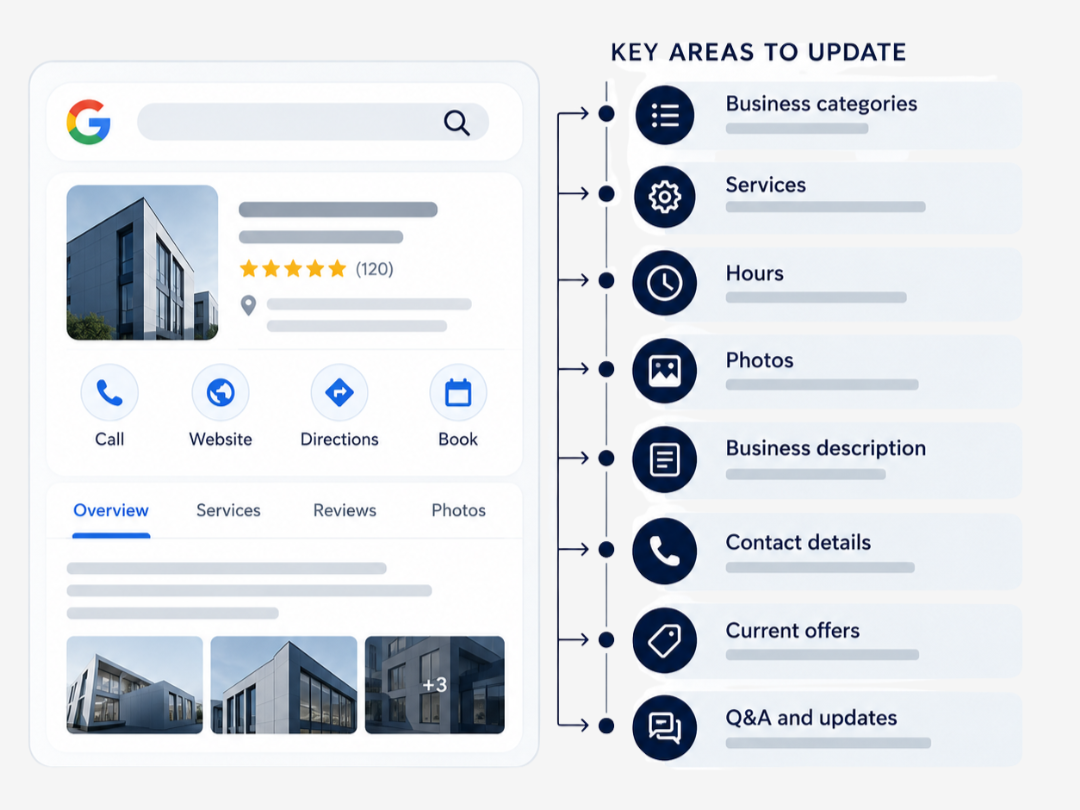
Start with the place many local customers see before they ever reach your website. Update your business categories, services, hours, photos, description, contact details, and current offers so the profile accurately reflects what customers can expect.
A focused refresh can also include new images, recent updates, common questions, and stronger service descriptions. The goal is not simply to make the profile look complete. It should make it easier for a nearby customer to understand what you offer and take the next step.
Best metric to track: Calls, website clicks, direction requests, bookings, or profile interactions.
2. Run a Customer Review Sprint
Once your profile is accurate, make review requests part of your customer follow-up. Over a two- or three-week period, invite recent customers to share honest feedback through email, text, receipts, or post-purchase messages. Use the same invitation regardless of whether you expect a positive or negative response.
Keep the process simple and give staff a clear routine for requesting reviews at the right moment. A concentrated campaign also makes it easier to monitor response rates and reply consistently.
Best metric to track: New reviews, average rating trends, and actions taken from local listings.
3. Create a Neighborhood Spotlight Campaign
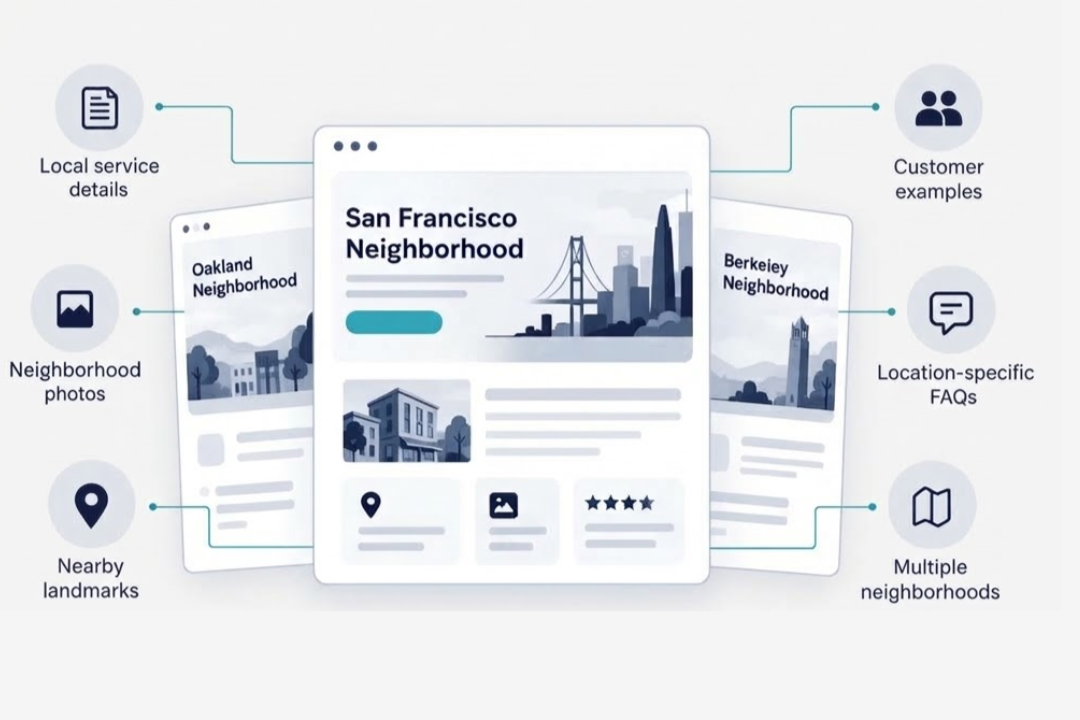
Next, support your local presence with content built around the areas you actually serve. A neighborhood page can include service details, local photos, nearby landmarks, customer examples, and common questions specific to that location.
Give each neighborhood page information that helps customers in that area, such as service availability, delivery details, local project examples, or location-specific questions. Avoid creating multiple pages that repeat the same content with only the neighborhood name changed.
Best metric to track: Local search impressions, organic visits, calls, and location-based inquiries.
4. Launch a Local Partner Week
Finally, extend your reach through a nearby business that serves a similar audience without directly competing with you. Create a joint offer, social campaign, event, referral exchange, or limited promotion that introduces both businesses to each other’s customers.
This works especially well when the partnership feels useful to the audience instead of promotional for its own sake.
Best metric to track: Referral traffic, redemptions, new leads, or sales attributed to the partnership.
Low-Cost Marketing Strategies That Bring In New Customers
Existing customers can become one of the most cost-effective parts of a marketing campaign because they already know the business and have direct experience with the product or service. Instead of spending the entire budget reaching strangers, businesses can create structured campaigns that encourage satisfied customers to refer, share, participate, and provide useful social proof.
5. Start a Customer Referral Campaign
Begin with customers who already have a reason to recommend your business. Create a simple referral offer that gives the existing customer a clear incentive and gives the new customer a reason to act.
The campaign should also include a reliable tracking method, such as a referral code, dedicated link, booking field, or coupon. This makes it easier to see which customers are actually generating new business.
Best metrics to track: Referred leads, conversions, and customer acquisition cost.
6. Launch a User-Generated Content Challenge
Once customers are willing to participate, give them something specific to share. A focused prompt usually works better than a general request for posts because customers immediately understand what type of content you want.
A restaurant might ask customers to share their favorite dish, whereas a product brand could ask buyers to show how they use an item in everyday life. A small prize or store credit can help increase participation without creating a large expense.
Best metric to track: Qualified submissions, reach, engagement, and reusable content.
7. Create a Customer Spotlight Series
Customer stories can add credibility without requiring expensive production. Turn strong customer experiences into short interviews, photos, testimonials, mini case studies, or simple videos that can appear across social media, email, landing pages, and sales materials.
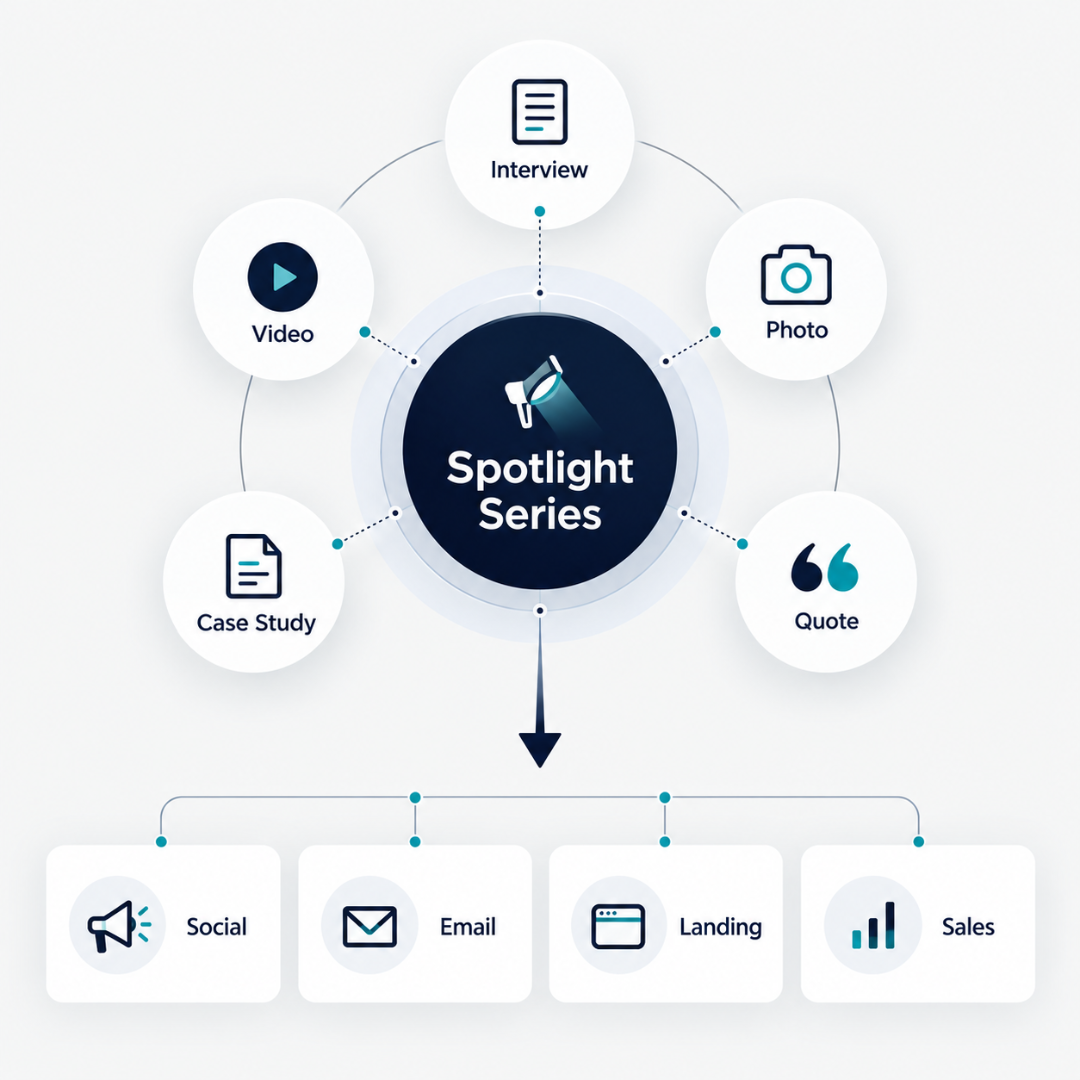
Keep the focus on the customer’s experience and the specific problem or need that brought them to the business.
Best metrics to track: Engagement, page visits, inquiries, and assisted conversions.
8. Test a Nano Influencer Exchange Campaign
Customer advocacy can also extend beyond existing buyers through smaller creators whose audiences closely match your target market. Instead of investing the entire budget in one large influencer, work with several nano influencers using product exchanges, small fees, or trackable promotional codes.
The smaller reach can be useful when the audience is highly relevant, and the campaign includes a clear action for followers to take.
Best metric to track: Referral traffic, code usage, cost per engagement, and attributed sales.
Read more: How to Detect and Stop Bot Traffic in Your Paid Ad Campaigns
Affordable Marketing Campaigns That Keep Working After You Publish
Content becomes more cost-effective when one idea keeps producing value across several channels. Instead of creating a blog post, video, or guide for a single use, businesses can build small campaigns that extend the life of useful information and give customers several ways to discover it.
9. Create a Seven-Day Founder Video Series
Start with questions customers already ask during sales calls, consultations, store visits, or support conversations. Record one short answer each day using a smartphone, then publish the videos across the platforms where your audience is already active.
The series works because it gives your content a clear theme and keeps production manageable. A founder can explain a common problem, clarify a misconception, or share a simple tip without relying on a large production budget.
The strongest videos can later be reused on landing pages, email campaigns, blog posts, or FAQ sections, which helps the initial effort keep working beyond the seven-day campaign.
Best metric to track: Qualified views, profile visits, website clicks, and inquiries.
10. Run an FAQ Search Campaign
Customer questions can also become useful search content when they reflect real buying concerns. Collect the questions your team hears most often, then turn the strongest ones into targeted blog sections, standalone pages, videos, or FAQ content.
Focus on questions that appear close to a buying decision, such as pricing, timing, process, service areas, product differences, or what customers should expect before getting started.
This campaign works especially well for businesses that already have customer knowledge but have not turned it into searchable content. A focused SEO content strategy can help organize those questions into useful pages that address real buying concerns.
Best metric to track: Search impressions, organic clicks, engaged visits, and conversions from FAQ content.
11. Turn One Strong Asset Into Ten Pieces of Content
A strong webinar, article, customer interview, guide, or video can support an entire content campaign when it is broken into smaller formats. One long piece might become several social posts, two short videos, an email, a graphic, a quote card, and a new FAQ section.
The goal is not to repeat the same message everywhere. Instead, adapt the strongest ideas to fit how people consume content on different channels.
This approach reduces production pressure and gives valuable content several chances to reach people who missed the original version.
Best metric to track: Total reach, engagement, website visits, and conversions generated across the repurposed pieces.
12. Create a Useful Calculator, Checklist, or Mini Guide
Practical tools can give potential customers a reason to engage with your business before they are ready to buy. Build something that solves one small problem, such as a checklist, planning guide, cost estimator, comparison worksheet, or simple calculator.
The resource should help users make a decision or complete a task instead of repeating information they can easily find elsewhere. Keep the format simple enough to use quickly and connect it to a relevant next step.
When the tool addresses a genuine customer concern, it can support both lead generation and future sales conversations.
Best metric to track: Downloads, completed forms, qualified leads, and conversions influenced by the resource.
Low-Budget Email Campaigns That Use the Audience You Already Have
Email can stretch a small marketing budget because the audience has already shown interest in the business. Instead of paying to reach new people every time, businesses can use their existing list to reconnect with previous customers, follow up with missed opportunities, and create another reason to return.
13. Launch a Customer Reactivation Campaign
Start with customers who have not purchased, booked, ordered, or visited within a meaningful period. Segment them by recency when possible, then create a short campaign built around a reason to come back.
That reason does not always need to be a discount. A new product, seasonal menu, updated service, useful reminder, or limited availability can be enough when the message matches what the customer originally cared about.
For example, select customers whose last purchase falls outside your usual repeat-purchase cycle. Send an initial update, follow with a relevant product or service recommendation, and finish with a reminder if they have not responded. Exclude customers who purchase during the sequence, and track repeat purchases or bookings from the selected group.
Best metric to track: Reactivated customers, repeat purchases, bookings, and revenue generated from the campaign.
14. Run a Three-Email Educational Mini Series
A short educational series can help businesses stay useful without sending constant promotions. Choose one customer problem and break it into three related emails that guide the reader through the topic step by step.
The first email can explain the problem, the second can offer practical guidance, and the third can connect the information to a clear next action. That action might be booking a consultation, viewing a product, downloading a resource, or replying with a question.
This format works best when the content answers concerns customers usually have before making a purchase.
Best metric to track: Opens, clicks, replies, bookings, and conversions from the series.
15. Follow Up on Abandoned Carts and Stalled Inquiries
Not every interested customer completes the next step on the first attempt. Abandoned carts, unfinished booking forms, unreturned estimates, and stalled inquiries can all become a small recovery campaign.
Create a simple sequence that reminds the customer where they left off and removes common friction. Include useful details such as availability, pricing clarification, shipping information, booking instructions, or answers to common objections.
The message should feel helpful instead of repetitive, especially when the customer has already shown clear intent.
Best metric to track: Recovered carts, completed bookings, returned inquiries, and recovered revenue.
16. Create a Customer Appreciation Campaign
Existing customers can also respond well to a campaign that gives them something before the general public. Offer early access to a new service, seasonal product, menu item, event, consultation slot, or limited bundle.
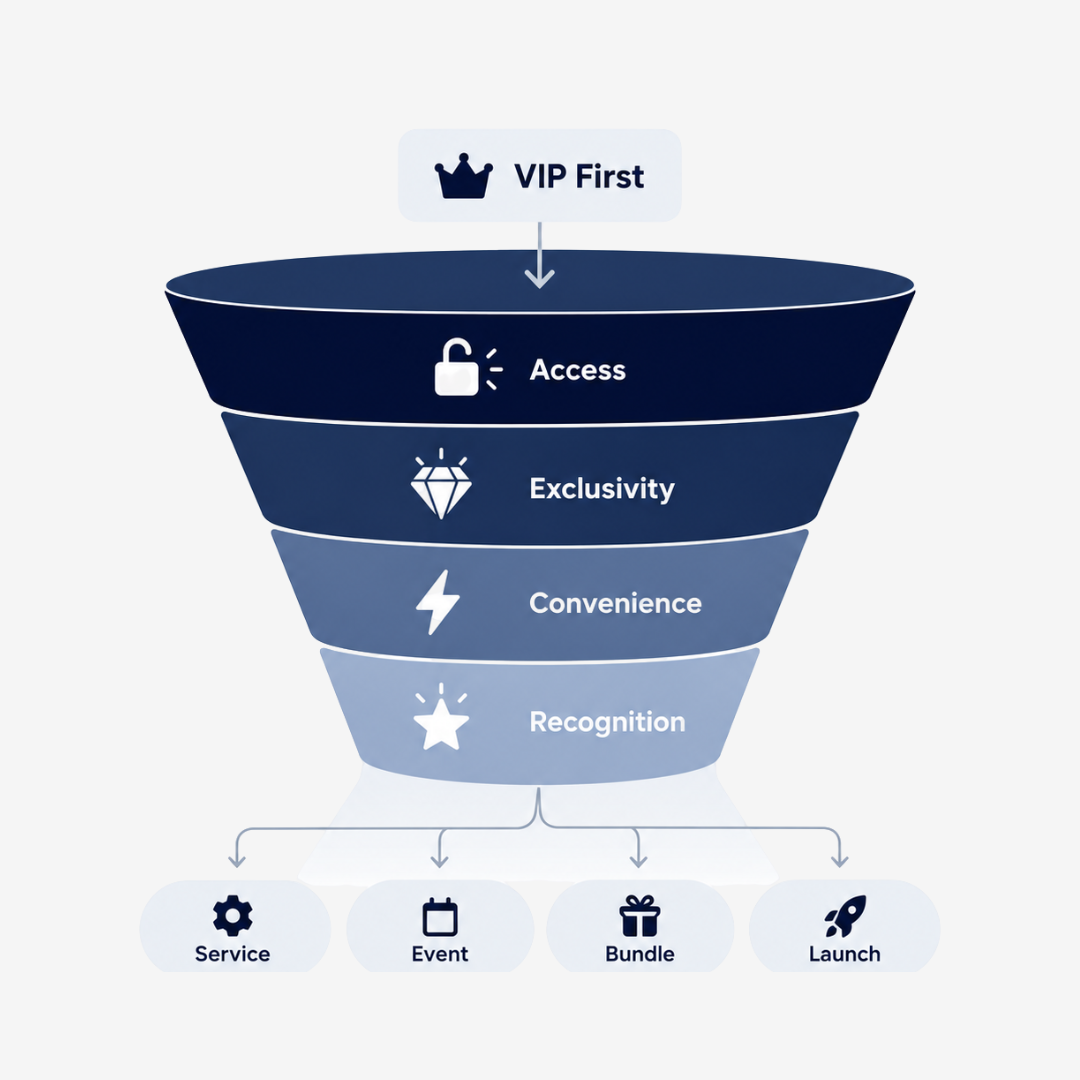
The value can come from access, convenience, exclusivity, or recognition instead of a large price reduction. This keeps the campaign useful without training customers to wait for discounts.
A customer appreciation campaign can also create material for future emails because feedback, reviews, and early responses can help shape the wider launch.
Best metric to track: Repeat purchase rate, campaign revenue, bookings, and customer response.
Small Paid Campaigns Where Every Dollar Has a Job
A limited budget does not rule out paid advertising, but it does make focus much more important. Small paid campaigns work best when they target a narrow audience, promote one clear offer, and send people toward a specific action that can be tracked.
17. Run a High-Intent Google Search Micro Campaign
Start with search terms that show a clear buying signal, such as a specific service, product, or location-based need. Avoid spreading a small budget across broad keywords that attract people at very different stages of the buying process.
Keep the campaign tightly organized around one offer and send traffic to a page that matches the search. Effective Google Ads management connects keyword selection, ad messaging, landing pages, and conversion tracking so you can assess which searches produce qualified leads or sales.
A local service company might focus on one high-value service in one city, whereas an ecommerce brand could test a small group of product-specific terms.
Best metric to track: Cost per qualified lead, booking, sale, or other primary conversion.
18. Retarget People Who Already Know Your Business
Retargeting can make a small budget work harder because the audience has already visited the website, engaged with social content, or interacted with the brand in some way.
Create a simple campaign that reminds these users about the product, service, or offer they previously viewed. The message should connect to their earlier interest instead of repeating a general brand introduction.
Before allocating a budget, check that your selected platform has an eligible audience large enough to serve the campaign. If the audience is too small, focus first on bringing relevant visitors to your website or building engagement. Retargeting can then support purchases that require more consideration.
Best metrics to track: Cost per conversion, return visits, recovered sales, and conversion rate.
19. Promote One Organic Post That Already Performs Well
Paid promotion works more efficiently when the creative has already shown signs of interest organically. Instead of boosting a weak post and hoping additional reach improves it, choose content that has already earned meaningful engagement, clicks, saves, comments, or shares.
Add a small budget to extend that content to a carefully selected audience. A useful customer story, educational video, product demonstration, or strong offer can all be suitable candidates.
The organic performance gives you an early signal that the message connects before additional money goes behind it.
Best metric to track: Cost per click, cost per engagement, leads, or conversions from the promoted content.
20. Run a Geo-Targeted Offer Campaign
Local businesses can keep paid campaigns manageable by limiting the audience to the areas where customers can realistically visit, book, order, or receive service.
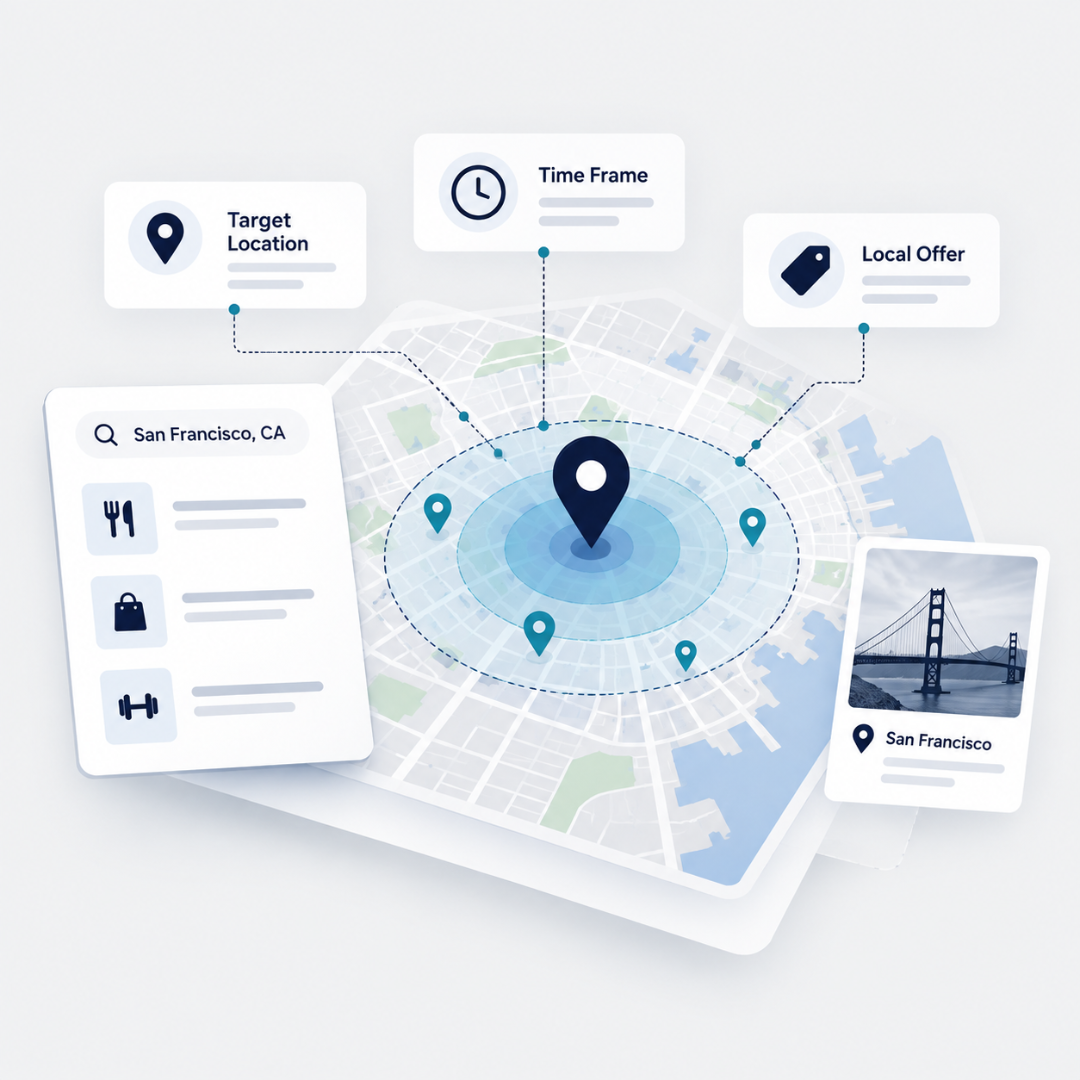
Build the campaign around one timely reason to act, such as a seasonal service, limited appointment window, weekday offer, event, or local promotion. Keep the location radius, campaign duration, and offer specific so the budget is not spent reaching people outside the useful service area.
This approach can work especially well for restaurants, retail stores, fitness businesses, schools, home services, and other companies with a defined geographic market.
Best metric to track: Calls, reservations, bookings, store visits, orders, or offer redemptions.
Read more: Paid Media Audit Checklist: 7 Signs You’re Wasting Ad Spend
Low Budget Marketing Ideas That Create Attention Offline and Online
Offline activity can still support digital growth when the campaign is designed to create useful follow-up opportunities. A small event, partnership, or giveaway can bring people together in person, then extend that attention through email, social media, customer photos, referrals, and future offers.
21. Create a Community Micro Event
A small event can generate several marketing opportunities at once without requiring the cost of a large production. Depending on the business, that might mean a tasting, workshop, demonstration, Q&A session, open house, mini class, or short educational event.
The campaign becomes more valuable when the event is planned around a clear audience and a specific next step. Collect registrations in advance, invite attendees to join the email list, encourage photos or social sharing, and follow up afterward with a relevant offer or resource.
The event itself should also create reusable material. Photos, customer questions, short video clips, testimonials, and common discussion points can all become future content, which helps the campaign continue producing value after the event ends.
Best metric to track: Registrations, attendance, leads, email signups, bookings, and sales generated after the event.
22. Build a Collaborative Giveaway That Attracts the Right Audience
A giveaway can create reach quickly, but its value depends on the prize and the type of people it attracts. A generic high-value prize may bring a large number of entries from people who have little interest in becoming customers.
Instead, partner with one or two complementary businesses and build the prize around products or services your shared audience already values. A restaurant might collaborate with a nearby bakery or event business, whereas a fitness studio could work with a local wellness brand.
Give participants a simple entry path and use trackable links or signup forms so the campaign produces more than social engagement. After the giveaway ends, follow up with relevant content or offers rather than letting the new audience disappear.
Best metric to track: Qualified entries, email signups, referral traffic, new customers, and post-campaign conversions.
Which Low-Budget Marketing Campaign Should You Try First?
The best starting point depends on what the business needs most right now. A company looking for more local calls should not begin with the same campaign as a business trying to recover abandoned carts or increase repeat purchases.
Start by choosing one primary goal, then select the campaign that gives you the clearest path toward that result. This makes it easier to set a budget, assign responsibility, and measure performance without spreading attention across too many channels at once.
The table below can help narrow the options when marketing on a small budget:
| Your Immediate Goal | Campaign to Try First |
|---|---|
| Get found by nearby customers | Google Business Profile refresh or neighborhood spotlight campaign |
| Build trust with new prospects | Customer review sprint or customer spotlight series |
| Reach new audiences | Local partner campaign, user-generated content challenge, or nano influencer campaign |
| Generate leads | Useful checklist, mini guide, calculator, or high-intent Google Search campaign |
| Increase repeat purchases | Customer reactivation or customer appreciation campaign |
| Recover missed revenue | Abandoned lead follow-up or retargeting campaign |
| Produce more content efficiently | Founder video series or content repurposing campaign |
| Generate high-intent traffic | Google Search micro campaign |
| Convert previous website visitors | Retargeting campaign |
| Build local awareness | Community micro event or geo-targeted offer campaign |
| Encourage referrals | Customer referral campaign |
| Grow an email list | Collaborative giveaway or useful downloadable resource |
It is usually better to run one or two focused campaigns properly than to launch several small ideas at the same time. Too many simultaneous campaigns make it harder to understand which message, channel, or offer actually influenced the result.
Once one campaign begins producing reliable results, the next step is to improve the strongest parts before adding another channel. A successful local review campaign, for example, could later support paid search ads, landing pages, email content, and social proof across the website.
The goal is to build gradually instead of treating every marketing idea as a separate experiment. A small budget can go much further when one successful campaign creates information and assets that make the next campaign easier to run.
How to Measure Your Small Business Marketing Ideas
A low-cost campaign can look successful on the surface and still fail to produce anything useful for the business. High reach, cheap clicks, or a spike in engagement may feel encouraging, but those numbers only matter when they connect to the original campaign goal.
Start by deciding which result matters before the campaign begins. A local visibility campaign may need to generate calls or direction requests, whereas an ecommerce campaign may need to produce purchases or recover abandoned carts. Using the same metric for every campaign can make performance harder to judge.
A simple measurement framework can help:
Awareness campaigns: Track qualified reach, branded searches, profile visits, video completion, or direct traffic.
Lead generation campaigns: Track calls, forms, bookings, consultations, or other qualified inquiries.
Ecommerce campaigns: Track purchases, conversion rate, revenue, average order value, and customer acquisition cost.
Retention campaigns: Track repeat purchases, reactivated customers, recovered revenue, and customer lifetime value.
Local campaigns: Track calls, directions, reservations, appointments, store visits, and offer redemptions.
Tracking should be simple enough to use consistently. UTM links, coupon codes, dedicated landing pages, call tracking, CRM source fields, and platform conversion tracking can all help connect activity with outcomes.
The final question should always be practical: did the campaign produce enough meaningful business activity to justify the time and money spent? If the answer is yes, improve the strongest parts and test again before increasing the budget.
Turn a Small Budget Into Focused Campaigns
Choosing a campaign is easier when you know your audience, your offer, and what a new customer is worth to your business. Gray Bay Marketing helps businesses plan and measure campaigns through paid media strategy, Google Ads management, and LLM SEO services. We can help you prioritize the channels that fit your goals and available budget.
Contact Gray Bay Marketing today.
FAQs: Low Budget Marketing Ideas
How much should a small business spend on low budget marketing ideas?
Some campaigns require no additional cash spending if you already have the necessary tools and audience, but they still require staff time. Set a budget that accounts for software, production, incentives, advertising, and labor. Judge the campaign by whether the results justify its total cost.
Can I market my business with just $100?
A $100 budget may support a focused campaign using an existing audience, a local partnership, or simple content production. For paid advertising, its usefulness depends on click costs, conversion rates, and your offer. It may fund an initial test without producing enough leads or sales to judge performance confidently.
Should I spend a small budget on paid ads or organic marketing?
Consider paid search when customers actively search for your offer and you have a relevant landing page, conversion tracking, and enough budget for a useful test. Prioritize reviews, email, partnerships, referrals, and content when you can build on existing relationships or invest staff time. Choose based on your goal and available resources.
How long should I test low budget marketing ideas?
Run it long enough to collect meaningful data before making major changes. Email and local promotions may show results quickly, whereas SEO and content campaigns usually need a longer testing period.
When should I increase the budget on a low-cost campaign?
Increase spending after the campaign produces consistent results at a cost your business can support. Scale gradually so you can see whether performance stays stable as reach expands.