
How to Build an Email Marketing Funnel That Books Catering Events
Running a catering business today means more than serving great food at events. You also need a smart way to stay connected with people planning weddings, parties, or corporate gatherings.
That is where an email marketing funnel becomes helpful. Instead of sending random promotions, a funnel helps guide interested subscribers step by step toward booking your catering services.
Many businesses miss opportunities because they talk about offers too early. A well-planned funnel builds interest first, shares useful event food information, and then encourages booking decisions.
In this guide, you will learn how this approach can help grow catering inquiries naturally and consistently.
What Is an Email Marketing Funnel for Catering Businesses?
So what is an email marketing funnel?
An email marketing funnel is a structured communication system that helps catering businesses guide potential customers from first discovering their services to making a booking decision. Instead of sending random promotional messages, a funnel delivers helpful information step by step, keeping customers engaged while they evaluate catering options.
A funnel works more like a helpful conversation rather than aggressive selling. Businesses can share menu ideas, celebration food tips, and service details gradually to build trust and customer confidence.
Instead of pushing sales right away, catering funnels usually share helpful stuff like a friendly welcome email, party food ideas for different seasons, simple event planning tips, and updates about catering bookings or special packages.
Read more on: 11 Influencer Discovery Tools Brands Actually Use in 2026
Stages of an Email Marketing Funnel
The stages of an email marketing funnel help catering businesses understand how customers move from simple awareness to final booking decisions. A funnel divides communication into different stages based on customer interest and engagement level. The funnel usually works in 4 main stages that reflect natural customer behavior.

1. Awareness Stage
At the awareness stage of the email marketing funnel, customers are just beginning to learn about your catering services. The main goal is not selling but introducing your brand and helping people understand what you offer. Think about it this way: if someone visits your catering website and immediately sees booking pressure, it can feel uncomfortable and may push them away.
At this stage, focus on helping your audience feel interested and informed. This is where your funnel begins to build a connection. You can share content that naturally speaks to customer curiosity, such as:
Event food inspiration that helps people imagine their celebration menu
Basic information about your catering service and food preparation quality
Celebration menu suggestions for birthdays, weddings, or corporate events
Seasonal food ideas that match holiday planning
The purpose is simple. You want visitors to think, “This catering service understands what I need.”
If you act like a salesperson too early, subscribers may leave because they are still learning about your brand. So keep communication friendly, helpful, and informative.
2. Consideration Stage
In the consideration stage of the email marketing funnel, customers are comparing catering options and thinking more seriously about which service to choose. At this point, they already know your brand exists, but they are not fully ready to book.
The communication style should slowly move from general information toward service value explanation.
Think about customer behavior. If someone is planning a wedding or corporate event, they usually check menu quality, pricing structure, and service reliability before making a decision.
You can share content such as:
Detailed catering package explanations
Customer reviews and service experience stories
Food quality assurance information
Delivery and event setup support details
For example, if a customer is comparing catering services, sending an email saying, “Here is how our catering team ensures fresh food delivery for your event” can feel helpful rather than promotional. The goal is to answer customer questions before they even ask them.
Read more on: Digital Marketing Strategy: How to Succeed in Today’s Landscape
3. Conversion Stage
The conversion stage is where your email marketing funnel begins turning interested subscribers into catering bookings. Customers entering this stage are usually ready to make event service decisions, but they may still need a small push.
Imagine a customer who has been reading your catering emails for weeks. If you suddenly send aggressive sales messages, it may feel irritating. Instead, provide a gentle nudge toward booking.
You can share conversion-focused content, such as:
Limited event date availability notices
Seasonal catering package offers
Simple reservation instructions
Exclusive subscriber discounts
Always keep one clear action button so customers do not feel confused.
4. Post Conversion Engagement Stage
Many businesses forget this part, but after booking confirmation, communication should continue. A strong email marketing funnel does not stop after conversion. You can maintain customer relationships by sharing:
Thank you messages
Event preparation reminders
Service satisfaction follow-up emails
Future catering offer updates
Think of it like keeping a friendship alive after completing business. If a customer feels valued even after booking, they are more likely to return or recommend your catering service to others.
How to Build an Email Funnel Strategy
Creating an email marketing funnel becomes easier when you follow a simple step-by-step process. The main idea is to focus on customer problems first and marketing messages later.
Here are the steps on how to build an email funnel strategy:
Step 1: Understand Customer Needs and Problems
The first step is learning what your audience is searching for. Many people look for help with event food planning, menu selection, or service reliability when exploring catering options.
Focus on gathering insights about:
Event type preferences
Budget expectations
Menu interest categories
Service location needs
Avoid starting with direct sales messages. Instead, think about how your catering service can solve small planning problems for customers.
Step 2: Create Simple Subscription Entry Points
The next step is making it easy for visitors to join your email list. If subscription forms are complicated, people may leave without signing up.
Add signup options to:
Website homepage sections
Catering service pages
Blog articles about food planning
Social media profiles
Make sure the form asks only for basic information like email address and maybe name. Simplicity helps improve subscription completion rates.
Step 3: Set Up a Welcome Communication Sequence
After someone subscribes, send a welcome email sequence that introduces your catering brand. The first email should focus on appreciation and service introduction rather than promotion.
Share information about:
Catering service philosophy
Food preparation quality
Event support approach
You can use email automation funnels for lead nurturing tools such as Mailchimp, HubSpot, or ActiveCampaign to automate these messages.
Step 4: Share Helpful Content Regularly
Stay connected with subscribers by sending useful information instead of constant booking requests.
You can share:
Seasonal menu ideas
Celebration food planning tips
Package availability updates
Step 5: Monitor Performance and Improve Strategy
Track important engagement signals such as email open rates, link clicks, and customer responses. These metrics help you understand audience behavior.
Use analytics tools to identify:
Which messages generate interest
Which offers receive more attention
When customers are most responsive
You can tweak your messages according to customer interests. For example, if subscribers often open emails about menu ideas, you can send more content that shares seasonal dishes, party food combinations, or event catering suggestions. If they respond more to offers, you can include early booking perks, limited-time pricing, or subscriber-only package previews.
Small changes in wording, tone, and content focus can also make a difference. Instead of always pushing bookings, you can sometimes ask simple questions such as “Planning an event soon?” or “Need help choosing a celebration menu?” These friendly touches make emails feel more personal.
Mistakes to Avoid: Email Funnel Best Practices for Higher Conversions
One of the biggest problems businesses face when creating an email marketing funnel is focusing on quantity instead of quality. Many companies think growing their subscriber list is the main goal, but if the audience is not interested in your service, the emails will not convert into real customers.
1. Wrong Audience Targeting
The first mistake is attracting the wrong subscribers. If your email list contains people who are not interested in your service, your funnel will feel ineffective even if the list looks large.
Instead of chasing big numbers, focus on attracting people who actually need your service.
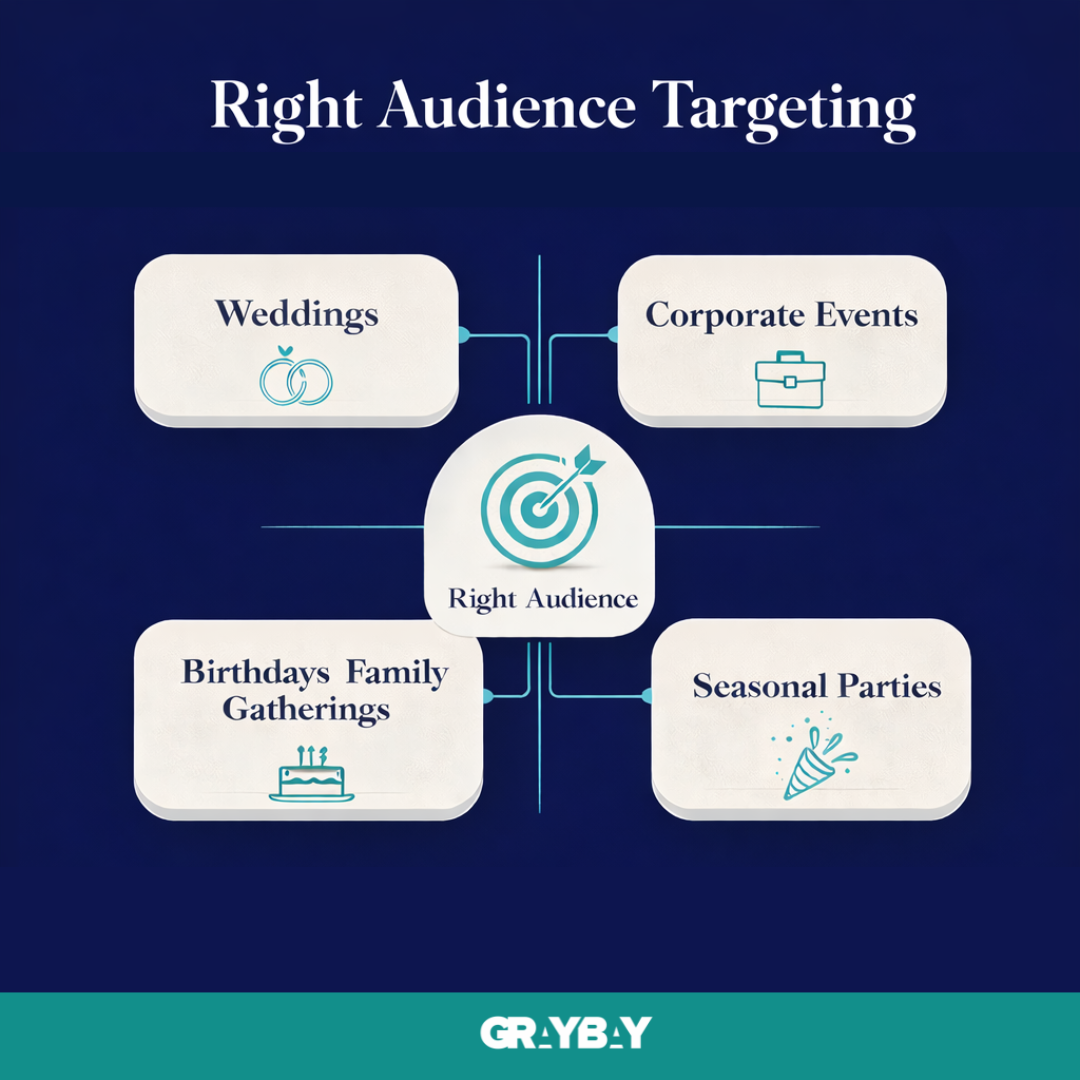
For example, catering businesses should target people planning:
Weddings and celebrations
Corporate events
Birthday or family gatherings
Seasonal parties
You can create content that speaks directly to event planning needs because customers usually respond better when messages solve their problems.
Tools like BuzzSumo or AnswerThePublic can help identify customer questions and content interests. You can also check discussions inside relevant social media groups to understand customer concerns and service expectations.
2. Ignoring Customer Interest Signals
Not paying attention to subscriber behavior is another funnel mistake. Customer interaction signals such as email opens, link clicks, and content downloads show what your audience actually cares about.
Use marketing automation tools to track engagement patterns.
If a subscriber shows interest in wedding catering content, send more wedding-related information. If someone clicks corporate menu links, share business event catering packages.
The key idea is listening before selling.
3. Poor Funnel Content Planning
Sending random content without a strategy can reduce funnel performance. Every email should serve a purpose in the customer journey.
Follow a simple pattern:
Problem introduction
Helpful information
Service explanation
Soft call to action
Avoid sending repetitive booking offers because customers may ignore emails if they feel pressured.
A good email marketing funnel works like a helpful guide rather than a pushy salesperson.
Quick Summary of the Email Marketing Funnel
To recap, a successful email marketing funnel helps catering businesses guide potential customers through the booking journey.
Awareness stage – Introduce your catering service and share helpful event food inspiration.
Consideration stage – Provide menu information, customer reviews, and service details.
Conversion stage – Encourage booking with clear calls to action and availability reminders.
Post-conversion stage – Maintain relationships with follow-up communication and future event offers.
Final Words
A strong marketing funnel helps catering businesses grow by building trust rather than pushing sales too early. After all, most people planning an event need time to compare menus, review service quality, and understand pricing before they commit to a booking.
That’s why it’s important to guide them step by step. When you focus on solving customer concerns, sharing helpful event food ideas, and communicating in a natural way, your brand stays relevant throughout their planning journey.
Ready to Turn More Interest Into Confirmed Bookings?
Gray Bay Marketing helps catering businesses build connected digital marketing strategies that generate consistent growth. From LLM SEO agency expertise and Google Ads Management Services to Facebook marketing agency solutions, email automation, and content strategy, we create customized campaigns that attract the right audience and convert more inquiries into booked events.
Frequently Asked Questions
What is a marketing funnel?
An Email Marketing Funnel is a structured communication system that guides subscribers from awareness to booking decisions by sending relevant and helpful messages at different stages of the customer journey.
Why is an email funnel important for catering businesses?
Catering services are high consideration purchases because customers usually plan events carefully. A funnel helps maintain communication, build trust, and stay visible while customers evaluate service options.
How long does it take to see results from an email funnel?
Results depend on audience size, engagement level, and content quality. Some businesses see improvements in customer inquiries within a few weeks, while stronger booking conversions may take longer.
What tools are best for building email funnels?
Popular tools include Mailchimp, HubSpot, and ActiveCampaign. These platforms support automation, segmentation, and performance tracking.
How often should funnel emails be sent?
Many businesses send one or two emails per week, depending on audience engagement and event season demand. The focus should be on helpful content rather than excessive promotions.
What are Email Automation Funnels for Lead Nurturing?
Email automation funnels for lead nurturing are systems that automatically send helpful emails to subscribers based on their behavior. They help catering businesses stay connected with potential customers by sharing welcome messages, menu ideas, or event planning tips. The goal is to build trust and guide customers naturally toward booking decisions.
What are Email Funnel Best Practices for Higher Conversions?
Email Funnel Best Practices for Higher Conversions focus on improving engagement and booking responses by keeping emails simple and helpful. Catering businesses should share customer-focused content, use clear calls to action, personalize messages, and test campaigns. This approach increases open rates, clicks, and event booking inquiries.
What are the stages of an email marketing funnel?
The stages of an email marketing funnel usually include awareness, consideration, conversion, and post-purchase engagement. Each stage helps guide potential customers from learning about a service to making a booking decision.